

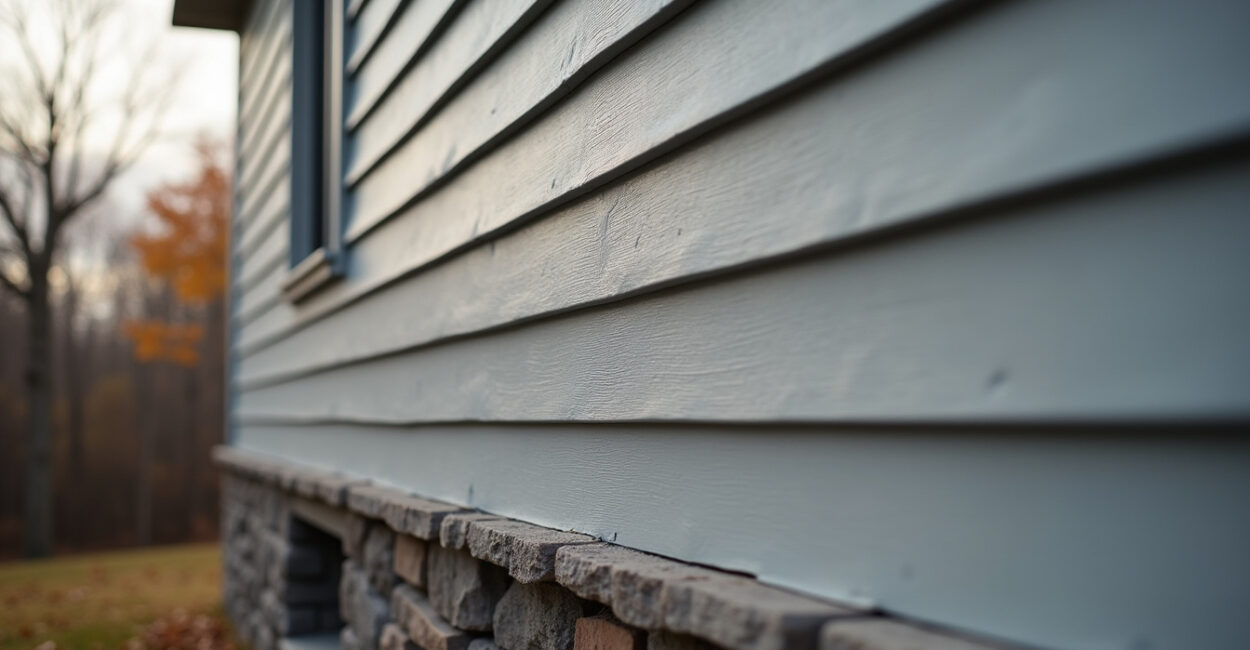
When siding looks great for five years but starts fading, cracking, or peeling after the first real winter, the problem is not the weather alone—it is the material choice. The best low-maintenance siding options for homes reduce repainting, resist moisture, and handle UV exposure without turning into a weekend maintenance project.
That matters more than most homeowners expect. Once siding begins to fail, you do not just lose curb appeal; you also invite rot, water intrusion, and recurring repair bills. This guide compares the materials that actually hold up in the real world, where salt air, hail, heat, and forgotten caulk lines all show up eventually.
Key Takeaways
- Fiber cement offers the best mix of durability, fire resistance, and low upkeep for many homes, but it needs proper installation to stay low-maintenance.
- Vinyl remains the cheapest low-upkeep option, yet it is more vulnerable to impact damage and can look less premium over time.
- Engineered wood gives a warmer appearance than vinyl, but it demands tighter moisture control and more careful detailing.
- Steel siding performs well in harsh weather and resists pests, but dents can be a real tradeoff in hail-prone areas.
- The “best” siding is the one that matches your climate, budget, and tolerance for future touch-ups—not just the one with the longest sales pitch.
Low-Maintenance Siding Options for Homes: The Materials That Hold Up Best
The most practical low-maintenance siding for homes is the material that resists moisture, UV fading, pests, and impact while needing only periodic washing and inspection. In most climates, fiber cement, quality vinyl, steel, engineered wood, and some composite products are the main contenders; the right choice depends on climate, budget, and how much upkeep you will realistically tolerate.
If you want a quick benchmark, ask one question: will this siding still look acceptable after 10 to 20 years without constant intervention? That is where the differences show up. Some products are low-maintenance because they are genuinely durable. Others are low-maintenance only because their owners have not reached the repair stage yet.
What “low Maintenance” Really Means
Technically, low maintenance siding is cladding designed to minimize repainting, sealing, patching, and replacement of individual boards or panels. In plain English, it means you can spend most years rinsing the exterior, checking joints, and fixing isolated damage instead of scheduling major restoration work.
The difference between siding that is easy to own and siding that is easy to sell is simple: low-maintenance materials reduce ongoing labor, but only if the installation details are watertight from day one.
That last part matters. I have seen expensive siding fail early because the installer skipped flashing, left poor clearances, or rushed the trim details. The product matters, but the assembly matters too.
Fiber Cement: The Best All-Around Balance of Durability and Appearance
Fiber cement is usually the strongest all-around pick for homeowners who want a durable exterior without constant repainting. It is made from cement, sand, and cellulose fibers, and it handles fire, rot, insects, and weather far better than most wood-based alternatives.
Where It Shines
- Excellent resistance to rot and pests
- Strong curb appeal, including wood-look profiles
- Good performance in hot, wet, and mixed climates
- Long service life when installed correctly
Where It Falls Short
Fiber cement is heavy, so installation costs are usually higher than vinyl. It also needs repainting eventually, especially if the factory finish was lower grade or the home gets intense sun. Still, the maintenance cycle is long enough that many busy homeowners consider it a fair trade.
James Hardie is the name most people recognize, but the product class matters more than the brand. For fire resistance and moisture behavior, the National Institute of Standards and Technology is a useful source for understanding how building materials are evaluated under real performance conditions.

Vinyl Siding: The Budget-Friendly Choice That Cuts Routine Work
Vinyl siding is the cheapest mainstream option for reducing exterior upkeep, and for many homeowners that is the deciding factor. It never needs painting, it resists moisture well, and replacement panels are easy to source if a section cracks or gets punctured.
What vinyl does not do as well is hold up to impact and heat. Hail can split panels. Dark colors can warp more easily. Cheap trim details can look tired sooner than expected. That is why vinyl is often the best value, but not always the best-looking long-term answer.
Vinyl is low-maintenance because it avoids repainting, but it becomes a poor choice when the home faces frequent hail, extreme heat, or high-end design expectations.
The U.S. Department of Energy’s Energy Saver guidance is also worth reading if energy performance matters, because siding decisions often intersect with insulation and air sealing, not just appearance. Vinyl can be part of a good envelope strategy, but it is not insulation by itself.
Engineered Wood and Composite Siding: Warm Look, Moderate Upkeep
Engineered wood siding gives you a more natural look than vinyl, with a lower-maintenance profile than traditional wood. It is made from wood strands or fibers bonded with resins and protective treatments, which improves consistency and reduces some of wood’s moisture problems.
Why Homeowners Choose It
People choose engineered wood when they want a traditional aesthetic without committing to frequent scraping and repainting. In a neighborhood where fiber cement can look slightly too sharp and vinyl feels too plastic, it often hits the design sweet spot.
The Catch
It is still more moisture-sensitive than fiber cement or steel. If the bottom edges are too close to grade, if flashing is poor, or if gutters overflow regularly, the maintenance burden rises fast. That is the part marketing glosses over.
This is where a good installer matters more than most product brochures admit. A lot of homeowners compare materials without comparing detailing, which is a mistake. The board profile may be rated for longevity, but the joint, trim, and drainage system decide whether it actually performs that way.
For older homes, this kind of material decision often overlaps with other exterior upgrades. Homeowners who have already read about frame problems before replacing windows usually understand the same principle: bad perimeter details shorten the life of good products.
Steel, Aluminum, and Other Metal Claddings: Strong in Harsh Weather
Metal siding is a smart option when wind, fire risk, pests, or moisture exposure are top concerns. Steel is stronger and more impact-resistant than aluminum, while aluminum is lighter and resists corrosion well in some coastal settings. Both can last a long time with minimal routine care.
Best Uses for Metal Siding
- Homes in fire-prone regions
- Properties exposed to heavy wind
- Exteriors where pests and rot are recurring issues
The tradeoff is aesthetics and dent resistance. Metal can look excellent on modern homes, but not every neighborhood or architectural style benefits from that look. Steel also dents more visibly in hail-prone regions, so the “durable” label is only half the story.
If you live near the coast, corrosion resistance becomes a bigger factor than most buyers realize. Salt air changes the equation. That is why some homeowners love metal siding in one climate and regret it in another.
Climate, Exposure, and Installation Details Decide the Real Winner
The best siding choice is rarely the same in every region. Hot sun pushes fading and expansion issues. Humid climates punish weak seams and poor drainage. Hail zones expose brittle finishes. Coastal homes need corrosion-aware materials and fastener choices. Climate changes the ranking more than advertising does.
That is also why local building code and manufacturer instructions matter. The International Code Council’s code framework is the kind of reference builders use to avoid obvious mistakes, while manufacturers often specify clearances, fasteners, and sealants that are easy to ignore and expensive to regret. If you are comparing systems, read the installation rules first, not last.
- Hot, sunny regions: favor products with stable finishes and strong fade resistance.
- Wet or humid regions: prioritize drainage, flashing, and rot resistance.
- Hail-prone regions: avoid materials that show impact damage too easily.
- Coastal regions: check corrosion resistance and fastening specs.
Homeowners who track exterior projects alongside other practical upgrades—like energy-efficient windows for older houses—tend to make better siding decisions because they think in systems, not isolated products. The exterior works as a package: siding, trim, flashing, windows, and roof edges all affect one another.
Cost, Lifespan, and Maintenance: The Comparison That Actually Matters
Price per square foot is only the beginning. The real question is total cost over time, including repainting, cleaning, repair frequency, and the likelihood of early replacement. A cheaper product can become expensive if it needs more labor or fails sooner.
| Material | Upfront Cost | Typical Maintenance | Long-Term Strength |
|---|---|---|---|
| Vinyl | Low | Washing, panel replacement, occasional trim checks | Good in mild climates; weaker in impact and heat |
| Fiber Cement | Moderate to high | Washing, repainting after many years, caulk monitoring | Excellent overall durability |
| Engineered Wood | Moderate | Sealing, paint renewal, moisture vigilance | Good, if detailing is tight |
| Steel | Moderate to high | Washing, dent inspection, finish touch-ups | Very strong in tough climates |
Na prática, the least expensive siding is not always the least expensive house to own. I have seen owners save money at installation and pay for it later in trim repairs, caulking failures, and repainting cycles. That is why the best choice usually balances purchase price with how often the exterior will demand attention.
How to Choose the Right Siding for a Busy Homeowner
For a busy homeowner, the right siding choice is the one that matches the home’s exposure and the owner’s tolerance for upkeep. If you want the lowest routine maintenance and strong durability, fiber cement is usually the safest overall pick. If the budget is tight, vinyl still delivers real convenience. If design matters more, engineered wood can be worth it.
A Practical Decision Order
- Start with climate and weather exposure.
- Check how much impact, moisture, or fire resistance you actually need.
- Compare installation quality and warranty terms, not just product labels.
- Choose the material you can maintain consistently, not the one that looks ideal on paper.
One small story makes the point. A homeowner in a hail-prone suburb chose a cheaper exterior finish because the color matched the roof. Two seasons later, the panels were pocked and the trim had started separating. Another homeowner nearby paid more for fiber cement and did nothing but wash it twice a year. The second house still looks newer.
If your home already needs exterior work, it can help to think in priority order. A siding replacement paired with smart envelope upgrades often delivers better results than treating each repair as a separate project.
What to Do Before You Buy
Before signing a contract, request the exact product line, finish system, fastener type, and installation details in writing. Then compare that package against your climate, not just against a showroom sample. A strong product installed poorly is still a weak outcome.
Best next step: shortlist two or three siding materials, ask for itemized bids, and compare their maintenance requirements over a 10-year horizon. That approach is more useful than chasing the lowest bid or the prettiest sample board.
What is the Easiest Siding to Maintain Overall?
Vinyl siding is usually the easiest to maintain in everyday use because it does not need painting and only requires periodic washing and inspection. That said, easiest is not the same as best. In hail-prone, fire-prone, or high-heat regions, fiber cement or steel may be the smarter long-term choice because they hold up better under stress.
Is Fiber Cement Really Low Maintenance?
Yes, but only if it is installed correctly and kept properly sealed at joints, trim, and penetrations. It still needs occasional washing and eventual repainting, but those tasks usually come much less often than with traditional wood. The material earns its reputation because it resists rot, pests, and fire far better than many alternatives.
Does Vinyl Siding Fade or Crack over Time?
It can. Better-grade vinyl resists fading far longer than cheap products, but intense sun, dark colors, and impact from hail or debris can still cause visible damage. Cracking is more common in older or lower-quality panels. If your home gets rough weather, the long-term savings from vinyl may narrow faster than expected.
Which Siding Works Best in Wet or Humid Climates?
Fiber cement and properly installed metal siding are strong choices in wet climates because they handle moisture better than many wood-based products. Engineered wood can work too, but only with careful flashing, drainage, and maintenance. The product alone does not solve water problems; the wall assembly and details matter just as much.
How Do I Compare Siding Materials Without Getting Lost in Sales Claims?
Compare four things: expected maintenance, impact resistance, climate fit, and installation complexity. Then ask for the exact warranty terms and what conditions can void them. A material is only as low-maintenance as its weakest detail, so the install plan should be part of the comparison from the start.