
Vinyl Window Trim Maintenance: What Keeps It Looking New
How to maintain vinyl window trim by using gentle cleaning, routine inspections, and protecting against heat and moisture to prevent discoloration and warping.
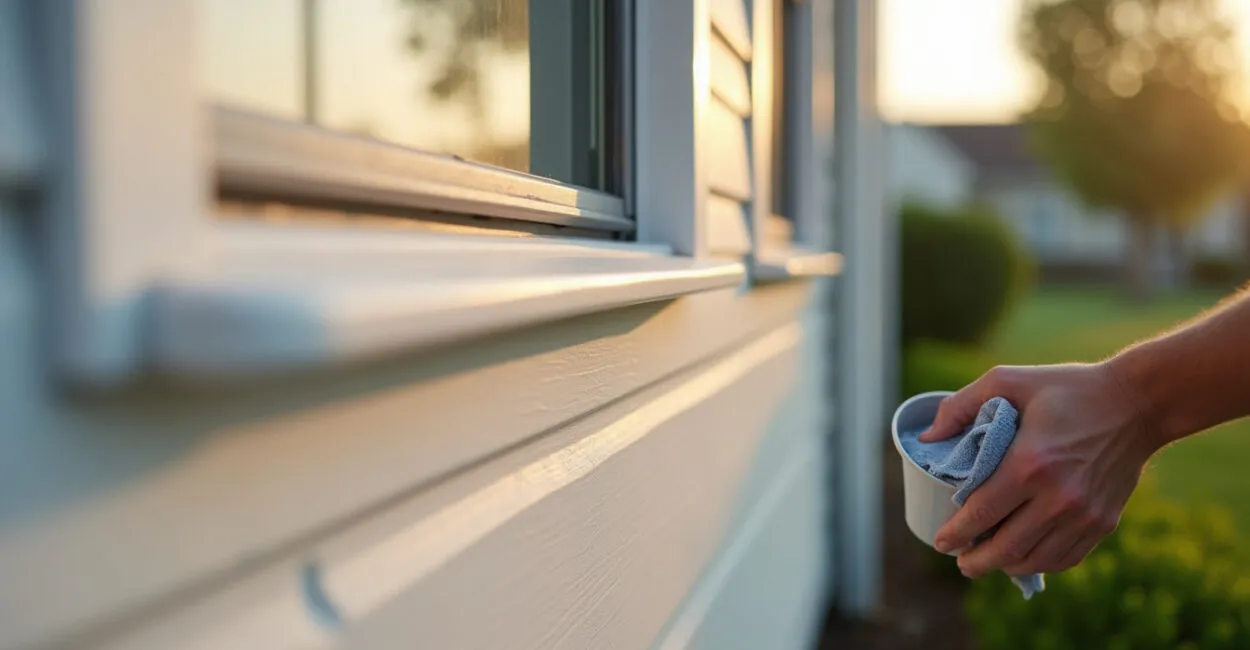 Homeowner cleans white vinyl window trim outdoors
Vinyl trim looks low-maintenance because it is low-maintenance, but that does not mean it is no-maintenance. The difference between trim that stays crisp for 15 years and trim that yellows, stains, or warps usually comes down to a few small habits: the right cleaning method, routine inspection, and protection from heat and harsh chemicals.
For homeowners looking for practical vinyl window trim maintenance tips, the goal is simple: keep the surface clean without damaging the finish, catch early problems before they spread, and avoid the kind of “touch-up” work that turns into replacement later. This guide covers what to do, what to avoid, and where vinyl trim usually fails in real homes.
Key Takeaways
- Vinyl window trim holds up best when you clean it with mild soap, soft tools, and plenty of rinse water.
- Heat, solvent cleaners, and trapped moisture are the three most common causes of discoloration, distortion, and premature failure.
- Small inspections after storms and seasonal temperature swings catch cracked caulk, loose joints, and water intrusion early.
- Protection is more about prevention than polishing; vinyl does not need wax, but it does need shade, drainage, and intact seals.
- If trim is chalking, buckling, or separating from the wall, maintenance can only delay replacement for so long.
Vinyl Window Trim Maintenance Tips That Keep Trim Clean, Tight, and Stable
Proper vinyl window trim maintenance means cleaning with non-abrasive tools, inspecting seams and sealant regularly, and preventing heat and moisture from concentrating at the edges. In practice, that means washing away grime before it bonds to the surface, checking caulk lines after weather changes, and avoiding any cleaner strong enough to soften or etch the vinyl.
The chemistry matters. Vinyl trim is usually made from PVC or a similar polymer blend, which resists rot but can still stain, expand, and deform under stress. That is why a rinse-and-wipe approach works better than aggressive scrubbing, and why dark stains near the sill often signal drainage trouble rather than “dirty trim.” For a broader look at what window-related upkeep should uncover before bigger repairs, see these frame problems to check before any window project.
Vinyl trim usually fails from neglect at the edges, not from wear across the face: dirty surfaces are cosmetic, but broken caulk, trapped moisture, and heat exposure are structural warning signs.
Why Vinyl Looks Good Longer Than Wood
Vinyl does not absorb water the way wood does, so it avoids rot, swelling, and many paint failures. That advantage disappears if water gets behind the trim, because the wall assembly can still be damaged even when the face of the trim looks fine. The material is durable, but the system around it has to stay dry.
The First 60 Seconds of Any Cleaning Session
Start with a dry brush or microfiber cloth to remove grit. That step matters because grit acts like sandpaper once you add water. If the trim sits under a sash track, sill nose, or screen edge, check those hidden ledges first; that is where dust and pollen tend to collect and stain.
How to Clean Vinyl Trim Without Dulling the Finish
Use a bucket of warm water, a few drops of dish soap, and a soft sponge or microfiber cloth. That combination is enough for most dirt, pollen, and mildew film. After wiping, rinse with clean water and dry the surface so residue does not attract more grime.
Avoid abrasive pads, powdered cleaners, bleach-heavy mixes, and solvent products such as acetone or paint thinner. Those can haze the surface or weaken the trim’s outer layer. The Consumer Reports guide to window cleaning is useful here because the same logic applies: gentle tools preserve finishes better than harsh chemicals ever do.
Safe Cleaning Mixes That Actually Work
- Warm water + mild dish soap for routine washing.
- White vinegar diluted with water for light mineral film, used sparingly and rinsed well.
- Soft-bristle detailing brush for grooves, corners, and textured trim profiles.
If your home has limited storage for cleaning supplies or seasonal tools, organizing them near the windows helps you keep a short maintenance routine realistic; the same logic appears in small-space storage ideas for overlooked spots.
Inspection Points That Catch Damage Before It Spreads
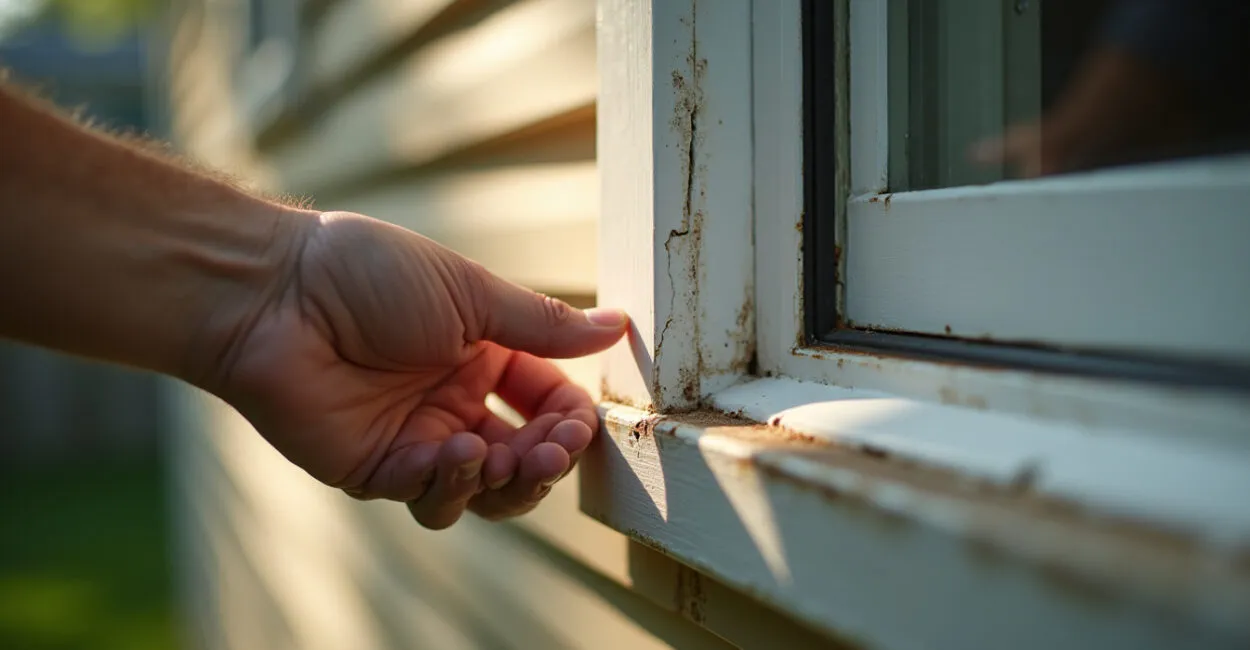
Check vinyl trim at least twice a year, and again after a major storm or heat wave. The most useful inspection points are the joints, the caulk line, the lower edge near the sill, and any spot that gets direct afternoon sun. Those areas fail first because they handle movement, water, and expansion all at once.
What to Look for During a Quick Walk-Through
- Hairline cracks in caulk or sealant.
- Gaps where trim meets the frame or siding.
- Chalky residue that wipes off onto your fingers.
- Warping, bowing, or a loose corner bead.
- Brown staining below the sill, which can indicate water tracking.
Here is the part people miss: a small gap is not just a cosmetic issue. Once rain or condensation gets behind the trim, the wall cavity can stay damp even if the outside still looks fine. That is why window maintenance often matters more than the trim itself; on older homes, the whole assembly has to work together, which is why historic-home window strategies can be so different from standard replacement advice.
Read also: Energy-Efficient Windows for Older Houses: What Actually Works
The safest repair is the one you make before water gets behind the trim; once moisture reaches the wall cavity, the visible damage is usually the last problem to appear, not the first.
Heat, Sun, and Moisture: The Three Forces Vinyl Hates Most
Vinyl trim is tough, but it is not immune to thermal expansion, UV exposure, or chronic dampness. Direct sun can warm dark-colored trim enough to soften it slightly, and repeated heating and cooling can change its shape over time. Water does the other kind of damage: it sneaks behind edges, weakens sealant, and creates stains that cleaning cannot remove.
If one side of the house gets strong afternoon sun, that elevation deserves closer attention than the shaded side. I have seen trim that looked perfect from the street but had a soft, slightly wavy edge where downspouts were splashing and the sun hit for hours every day. That combination is enough to shorten the life of the caulk and make the profile look tired long before the rest of the window does.
Reducing Heat Stress Without Overcomplicating It
- Keep shrubs trimmed so air can move around the window.
- Make sure gutters and downspouts direct water away from the wall.
- Use exterior shading where a window gets brutal afternoon sun.
- Replace failing sealant before gaps widen with seasonal movement.
The U.S. Department of Energy explains that window performance and surrounding components are tightly connected; a well-sealed opening helps control moisture and heat loss at the same time. Their guidance on window efficiency is worth reviewing at Energy Saver’s windows, doors, and skylights page.
Caulk, Sealants, and the Small Repairs That Prevent Big Ones
Caulk is not decoration. It is the flexible joint that keeps rain, air, and pests from working into the edge of the assembly. For vinyl trim, use a sealant rated for exterior window and door use, and replace it when it cracks, pulls away, or loses adhesion. Acrylic latex caulk with silicone is common for painted trim interfaces, but product choice should match the joint and movement level.
Do not smear fresh caulk over failed material and call it fixed. If the old bead is loose, remove it, clean the surface, and apply a new line to a dry joint. That extra step is the difference between a repair that lasts and one that peels off after the next freeze-thaw cycle.
When Caulk is the Right Fix
Caulk is the right fix when the gap is small, the trim is still firmly attached, and there is no evidence of hidden water damage. If the trim is warped, soft behind the surface, or already separating from the wall, caulk is only a temporary cosmetic patch. That is one of the few places where maintenance has a hard limit.
Seasonal Maintenance That Fits Real Home Schedules
The easiest way to maintain vinyl trim is to tie it to seasons, not memory. Spring and fall are the best times for a full cleaning and inspection because temperature swings expose weak caulk and weather residue becomes obvious. In winter, focus on keeping ice, snow, and wet debris from sitting against the lower edges.
A Simple Yearly Rhythm
- Spring: wash the trim, inspect caulk, and check for UV fading or winter cracking.
- Summer: watch south- and west-facing windows for heat-related bowing.
- Fall: clear leaves, check drainage, and reseal any open joints before cold weather.
- Winter: remove ice buildup gently and keep the sill area from staying wet.
If your windows are older and drafty, that seasonal check becomes even more important because surrounding components may already be under stress. Homeowners comparing repair and replacement often find the same weak spots showing up again and again, which is one reason guides like storm windows versus full replacement can be useful before spending on bigger upgrades.
When Maintenance is Not Enough Anymore
Maintenance can keep vinyl trim looking good for years, but it cannot reverse material fatigue, structural movement, or hidden water damage. If the trim has repeated discoloration, permanent warping, or recurring seal failure in the same spot, replacement is usually the smarter move. At that stage, patching becomes a short-term delay rather than a true fix.
That said, not every flaw means replacement. A stain from pollen, a loose bead of caulk, or dirt caught in a groove is a maintenance problem, not a failure. The judgment call is whether the issue is on the surface or in the assembly behind it. That distinction saves a lot of money.
Signs You Should Stop Patching
- Trim no longer sits flat against the substrate.
- Caulk fails again within a single season.
- There is soft material, swelling, or visible water staining behind the edge.
- The profile has warped enough to break the seal line.
For owners weighing whether repairs still make sense, it helps to compare the condition of the trim with the rest of the window system. If the sash, frame, and surrounding wall are also aging, a broader project may be more rational than repeating the same exterior touch-ups every year. That decision often resembles the tradeoffs in single-pane replacement planning for older homes.
What to Do Now If You Want Trim That Still Looks Fresh in Five Years
The strategic move is to treat vinyl trim as part of a drainage-and-sealing system, not as a decorative accessory. Clean it gently, inspect the failure points on a schedule, and fix moisture paths before they become stains or distortion. That approach costs less than repeated cosmetic repairs and keeps the window opening looking intentional, not tired.
Start with one house side this week: wash the trim, check every caulk line, and note where sun or water exposure is worst. Then build a seasonal routine around those weak spots. If your next project involves broader exterior window work, compare conditions first rather than starting with replacement sales talk.
📱 See this content as a Web Story
FAQ
How Often Should Vinyl Window Trim Be Cleaned?
For most homes, twice a year is enough: once in spring and once in fall. If the house sits near trees, dusty roads, or heavy pollen, a light wash every three to four months keeps buildup from sticking. You do not need a deep scrub each time. A soft cloth, mild soap, and clean rinse water handle the kind of grime that actually affects appearance.
Can I Pressure Wash Vinyl Window Trim?
You can, but I would not make it the default method. Too much pressure can drive water behind the trim, open weak caulk lines, or force grime into joints. If you use a pressure washer, keep the pressure low, stand back, and never aim directly at seams. Hand washing is slower, but it is safer and usually gives a cleaner result.
Why Does Vinyl Trim Turn Yellow or Chalky?
Yellowing or chalking usually comes from UV exposure, heat, or surface aging, not from dirt alone. Chalking is that powdery residue that rubs off when you touch the trim; it is a sign the outer layer is breaking down. Some discoloration can be cleaned, but if the color change keeps returning after washing, the material is aging rather than merely dirty.
What Cleaner is Safest for Vinyl Trim?
The safest cleaner is warm water mixed with a small amount of mild dish soap. For mineral spots or light mildew film, diluted white vinegar can help if you rinse thoroughly afterward. Avoid bleach-heavy mixtures, abrasives, and solvents because they can dull the finish or weaken the surface. Safe cleaning is more about restraint than strength.
When Should Vinyl Trim Be Replaced Instead of Repaired?
Replace it when the trim is warped, repeatedly separating, or showing signs of hidden moisture damage. If caulk keeps failing in the same place or the material no longer sits flat, maintenance has reached its limit. Surface dirt and minor gaps are repairable; structural distortion is not. That line matters because it keeps you from spending time on fixes that only delay the inevitable.