
Storm Windows Vs. Full Replacement: The 2026 Verdict for Drafty Rooms
When older windows have sound frames, adding storm windows can reduce drafts and improve comfort without the disruption of full replacement projects.
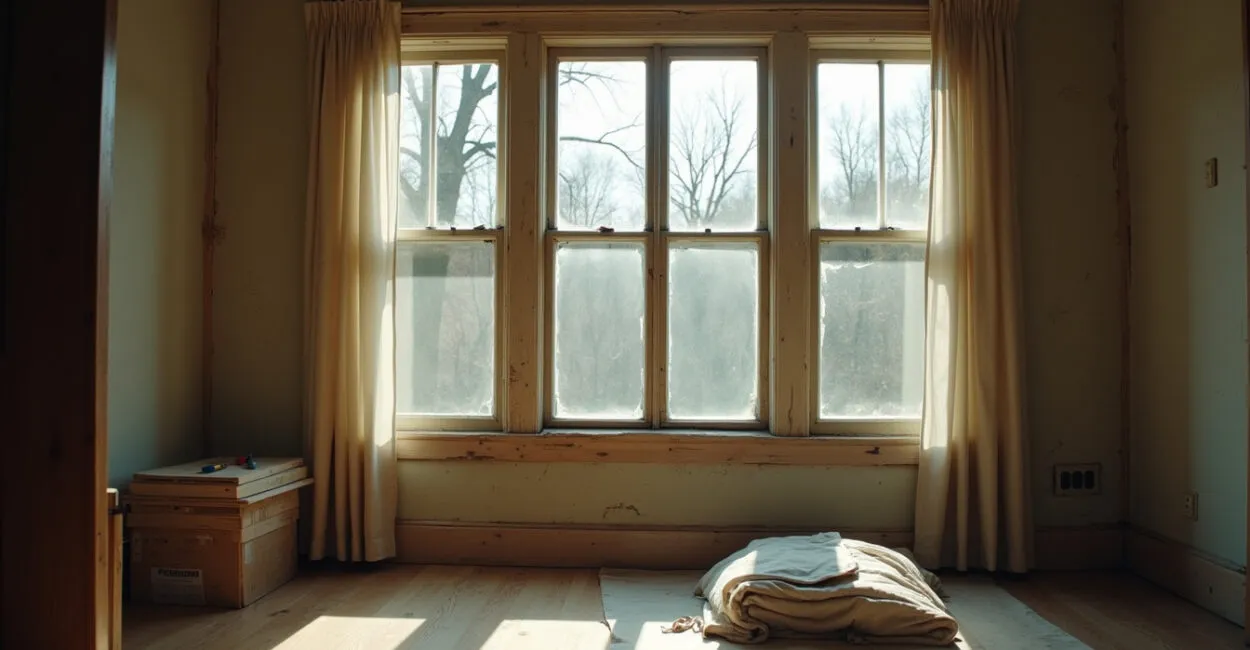 Old sash window beside a new insulated replacement unit
Drafty rooms don’t always need new windows—sometimes they need the right layer of defense.
In the storm windows versus full replacement debate, the winner in older homes is usually the option that fixes the real problem, not the one with the bigger invoice. If your frames are sound, storm windows can deliver a big comfort jump with far less mess. If the windows are rotted, warped, or failing mechanically, full replacement stops being a luxury and starts looking like triage.
That’s the 2026 verdict: choose based on the house, not the sales pitch.
Where Storm Windows Win Without the Drama
Storm windows are secondary windows installed over existing ones. In plain English: they create an extra air barrier, cut drafts, and improve thermal performance without ripping out the original units. For older homes, that matters because many “bad windows” are really just leaky assemblies around otherwise decent frames.
Storm windows versus full replacement often comes down to one thing: are you preserving a usable shell, or replacing a failed system? If the sash operates, the wood is healthy, and the glass is intact, storms can be the smartest move. They also keep plaster, trim, and paint lines untouched. That’s a huge deal in homes where one project tends to turn into five.
Here’s the part people underestimate: comfort is not only about U-factor. It’s also about stopping cold air movement near the glass. I’ve seen rooms feel noticeably better after storms were added, even when the thermostat barely moved. The room just stops “feeling” like a cave.
That said, storms are not magic. If the window frame is already failing, they only hide the problem for so long. So the next question is how to tell when replacement is the better long-term bet.
Read also: Single-Pane Window Replacement for Older Homes: Costs and Payback
When Full Replacement Pays Off Faster Than You Think
Full replacement means removing the old window unit and installing a new one, usually with updated glazing, tighter seals, and modern hardware. It’s a bigger disruption, but it solves more than one issue at once. In storm windows versus full replacement, this is the route for windows that are fogged, stuck, rotten, or structurally tired.
The real advantage is not just efficiency—it’s eliminating hidden maintenance costs. A window that keeps swelling shut, leaking at the sash, or shedding paint is costing you in time every season. And in older homes, that drag adds up fast.
Read also: Before Installing New Windows, Check These 7 Frame Problems
- Choose replacement if the frame shows rot or softness.
- Choose replacement if the sash is warped or unsafe.
- Choose replacement if condensation is trapped inside the unit.
- Choose storms if the existing window is solid but drafty.
A quick caution: not every replacement job performs better than a well-installed storm window. Bad installation can erase the gains. The U.S. Department of Energy notes that window performance depends heavily on installation and air sealing, not just the product itself.
If you want the short version, here it is: replacement wins when the window is part of the problem. Storms win when the window is mostly fine and the comfort gap is the issue.
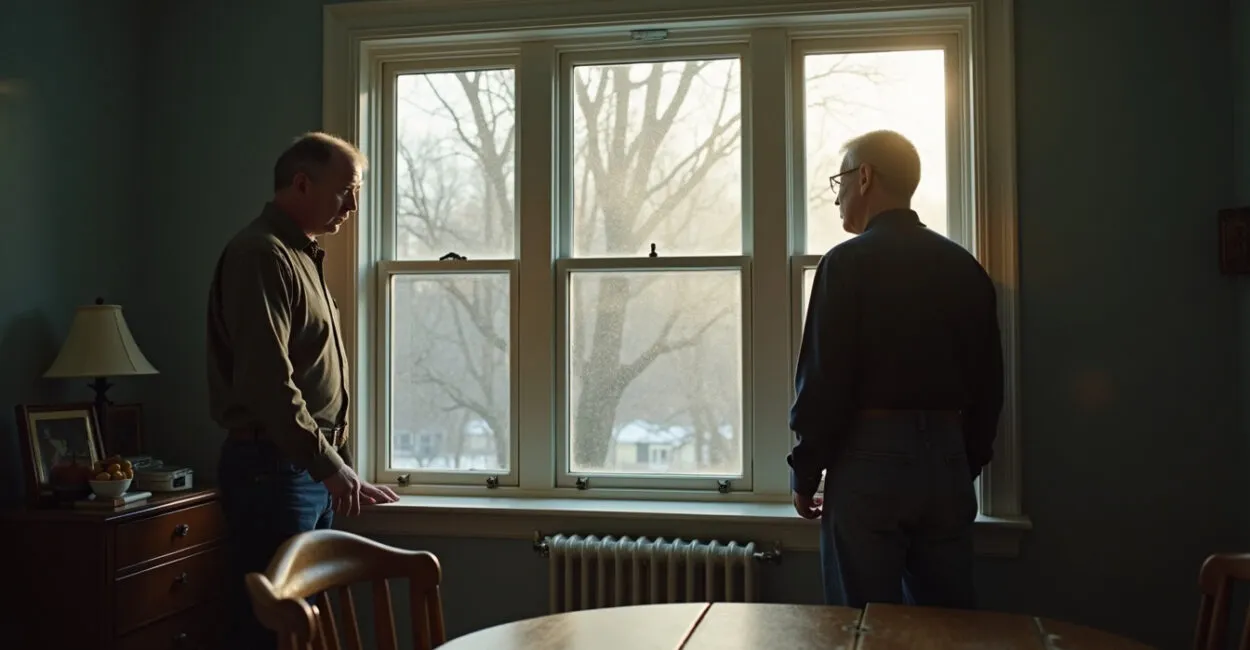
The Older-Home Decision Rule That Saves Money
In older homes, the smartest answer is often a two-step test: inspect the frame, then inspect the room. If the frame is sound, start with storms. If the frame is failing, go straight to replacement. That sequence avoids paying for a cosmetic fix when the structure underneath is already done.
One homeowner I saw had a 1920s dining room that felt icy every January. The contractor pushed full replacement. Another pro looked closer, found solid wood frames, sealed the gaps, and added storms instead. The room lost the chill, the original trim stayed intact, and the owner avoided a full demolition week. Different diagnosis. Different outcome.
According to the National Park Service’s preservation guidance on historic windows, repairing and upgrading existing windows can be a legitimate, effective strategy when the original units remain serviceable. That doesn’t mean replacement is wrong. It means the house gets a vote.
In older homes, the best window project is the one that fixes comfort without creating a bigger job than necessary.
So if you’re staring at a drafty room in 2026, don’t ask which option sounds newer. Ask which one actually removes the pain: cold air, rising bills, or constant disruption. That answer is usually louder than the brochure.
📱 See this content as a Web Story
FAQ
Are Storm Windows Worth It in Older Homes?
Yes, if the existing windows are structurally sound. They can cut drafts, improve comfort, and protect original trim. They’re especially useful when you want less disruption and don’t need to solve rot, warping, or broken hardware.
Do Full Replacement Windows Always Save More Energy?
No. A replacement window can outperform a storm window on paper, but only if it’s installed well and the surrounding frame is sound. Poor installation can wipe out the advantage. In many homes, air sealing matters as much as the product itself.
Which Option is Less Disruptive?
Storm windows are far less disruptive. They usually preserve the existing interior and exterior finishes, which is a big deal in older homes. Full replacement brings more noise, more labor, and a higher chance of follow-up repairs to trim or paint.
How Do I Know If My Windows Are Beyond Repair?
Look for rot, persistent fogging between panes, warped sashes, or windows that no longer open safely. If the frame is soft or the structure is failing, storms are only a temporary patch. That’s when replacement starts making more sense.
What is the Best First Step Before Choosing?
Inspect the frame, the sash, and the air leaks around the opening. If those parts are mostly healthy, storms are usually the smarter test. If the window is failing as a system, go straight to replacement instead of spending twice.