

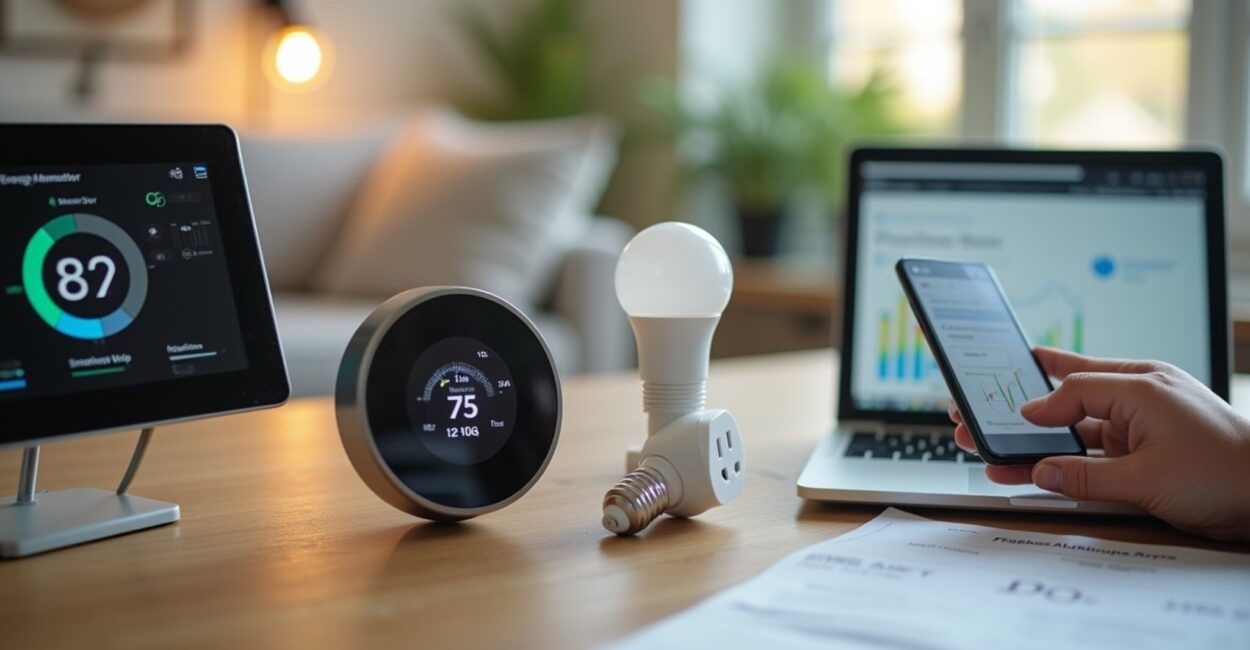
Feeling the pinch of rising utility bills and wondering how to cut costs without sacrificing comfort? Energy saving is the practical, high-impact approach that reduces waste, lowers bills, and improves home comfort—today.
In a world of smarter homes and smarter devices, prioritizing energy saving means choosing technologies—like smart thermostats, smart plugs, and energy panels—that optimize consumption and deliver measurable returns.
This article shows actionable ways to save energy, highlights devices that lower costs, offers ROI tips, and suggests products proven to work, all designed for quick mobile reading and Google Discover engagement.
Why energy saving matters now: economics, comfort and climate
Immediate financial relief
Energy saving reduces monthly electricity bills and stabilizes spending. Smart devices, efficient habits, and insulation cut waste and lower your household’s power consumption.
When you target heating, cooling, and standby loads, you attack the biggest drains on your budget and boost your home’s overall energy efficiency quickly.
Home comfort and control
Smart thermostats and zoned heating improve comfort by learning schedules and adapting to routines. They refine temperature control and eliminate hot or cold spots.
That precise control means less energy wasted, fewer fights over the thermostat, and a cozier home that reacts to real needs—not guesswork.
Environmental and social impact
Energy saving lowers carbon emissions and reduces demand on the grid. Each kWh saved contributes to a cleaner environment and a resilient energy system.
Collective household improvements create meaningful community benefits as reduced consumption eases peak loads and avoids costly infrastructure expansions.
Top smart thermostats that drive energy saving and ROI
How smart thermostats cut costs
Smart thermostats learn patterns, adjust setpoints, and reduce HVAC runtime. They prevent heating and cooling waste through geofencing and adaptive schedules.
By shaving HVAC cycles during low-demand periods, these devices deliver steady savings month after month and often pay back within a year or two.
Best models and ROI expectations
Popular models like Nest Learning, Ecobee, and Honeywell offer reliable savings and remote control. Expect 8–15% savings on heating and 10–12% on cooling.
ROI depends on local energy costs and HVAC efficiency; in many regions installation plus purchase recoups through lower bills within 1–3 years.
Installation and integration tips
Ensure compatibility with your HVAC system and a C-wire for power. Professional setup improves performance, but many homeowners can handle DIY installation.
Integrate thermostats with smart home systems for scenes and automation, combining with occupancy sensors for peak efficiency and comfort control.
Smart plugs and outlets: plug-in savings and automation
Why smart plugs matter for energy saving
Smart plugs eliminate standby power waste by turning devices fully off. They automate schedules for TVs, chargers, and appliances to avoid phantom loads.
They’re inexpensive, easy to install, and give instant control over devices that quietly add to monthly energy use when left plugged in.
Choosing the right smart plugs
Select plugs with energy monitoring, overload protection, and reliable app support. Zigbee or Wi‑Fi devices both work, but mesh systems often offer better range.
Look for models that report consumption data so you can identify high‑use appliances and prioritize targeted interventions for greater savings.
Practical use cases
Automate night-time routines, schedule chargers, and limit energy-hungry devices during peak pricing. Smart plugs are ideal for renters and homeowners alike.
Pair plugs with voice assistants and routines to switch off clusters of devices instantly, increasing convenience and reducing needless power draw.
Energy panels and home monitoring for informed savings
What energy panels do
Energy panels and whole-home monitors track real-time consumption at the circuit level. They pinpoint heavy loads and efficiency opportunities quickly.
Detailed data transforms vague assumptions into actionable steps—showing which circuits, appliances, or times of day cause spikes in usage.
Products that provide visibility
Systems such as Sense, Emporia, and Home Energy Monitor offer circuit-level insights. They detect appliances, report historical trends, and integrate with smart systems.
Visibility speeds decision-making: replace a failing refrigerator, reschedule EV charging, or adjust HVAC strategies based on clear data rather than guesswork.
How monitoring boosts ROI
Knowing where energy is used enables targeted upgrades that deliver the best return—like swapping inefficient appliances or installing smart controls for large loads.
Combined with behavioral changes, monitoring often halves the time to recoup investment compared to blind efficiency upgrades.
Practical upgrades that amplify energy saving
Low-cost, high-impact fixes
Seal drafts, add weatherstripping, and upgrade to LED lighting. These simple steps reduce HVAC and lighting loads with minimal investment.
Prioritize attic insulation and smart thermostatic radiator valves to further lower heating and cooling expenses across seasons.
Appliance and HVAC upgrades
Replacing aging HVAC units, refrigerators, or water heaters with high-efficiency models yields sustained savings. Look for ENERGY STAR ratings and high SEER/HSPF values.
Regular maintenance—clean filters, tune systems—preserves efficiency and delays costly replacements while maintaining lower energy use.
Behavioral adjustments that stick
Shift activities like laundry and dishwashing to off-peak hours, lower thermostat setpoints slightly, and embrace short, impactful habit changes.
Small routine changes compound; when paired with monitors and smart devices, they create measurable, lasting reductions in energy consumption.
Step-by-step plan to start saving energy today
- Audit your home’s energy use with a monitor or utility report to find top drains.
- Install a smart thermostat to control HVAC runtimes and set adaptive schedules.
- Replace bulbs with LEDs and add smart plugs for standby loads.
- Seal leaks and add insulation to reduce heating and cooling demand.
- Prioritize appliance upgrades based on data from energy panels.
- Monitor results and adjust based on monthly savings and comfort.
Why start with a data-driven audit
A targeted audit identifies the most expensive waste points, ensuring upgrades deliver maximum ROI. Data-driven choices beat guesswork every time.
Begin with low‑cost fixes identified by the audit, then scale to investments like efficient HVAC and energy panels as savings justify costs.
Combining tech and habits
Technology automates efficiency, while habits sustain it. Use devices to enforce good routines and make savings effortless long-term.
Track progress monthly so wins compound into confident decisions about bigger upgrades or behavioral tweaks.
Costs, savings and realistic ROI estimates
Typical investment ranges
Smart thermostats: $100–$300. Smart plugs: $15–$50 each. Energy panels: $200–$500+ depending on features and installation.
Insulation and HVAC replacements carry higher upfront costs but often deliver the largest long-term savings, especially in extreme climates.
Estimated savings and payback
Combined smart upgrades commonly yield 10–25% energy reductions. Many households see payback in 1–4 years depending on local rates and behavior changes.
Track real-world savings with utility bills and device reports to confirm ROI and adjust future investments for maximum impact.
Financing and incentives
Check federal, state, and local incentives for energy-efficient upgrades. Rebates, tax credits, and financing lower upfront costs and shorten payback time.
EnergyStar and government programs often provide rebates for thermostats, HVAC, and insulation—making smart upgrades more affordable. Visit ENERGY STAR for guidance.
| Device | Typical Cost | Annual Savings | Estimated Payback |
|---|---|---|---|
| Smart Thermostat | $100–$300 | 8–15% heating, 10–12% cooling | 1–3 years |
| Smart Plug (with monitor) | $15–$50 | $5–$40 per device | 6 months–2 years |
| Home Energy Monitor | $200–$500 | Variable; informs upgrades | 6 months–3 years |
Conclusion
Energy saving transforms anxiety over bills into confident, measurable action—using smart thermostats, plugs, and panels to reclaim control and comfort. Small steps and smart data together create lasting savings.
Return to the opening idea: with the right devices and a clear plan, you don’t just lower costs—you change how your home consumes energy, making it smarter, kinder to your wallet, and better for the planet.
FAQ
How quickly will a smart thermostat reduce my energy bills?
Smart thermostats typically reduce heating costs by around 8–15% and cooling by 10–12% through adaptive schedules and reduced runtime. Immediate savings can appear within the first month, especially when replacing manual thermostats. Actual payback varies by climate, energy prices, and HVAC condition; many homeowners recoup costs in 1–3 years when combined with proper installation and behavior adjustments.
Are smart plugs worth it for energy saving?
Smart plugs are highly cost-effective for eliminating standby power and scheduling high‑use devices. They’re inexpensive, easy to deploy, and provide immediate savings on chargers, entertainment systems, and small appliances. When paired with monitoring features, they help identify energy drains and support habit changes that compound into measurable monthly reductions, making them worthwhile for most households.
What does a home energy panel reveal that my utility bill does not?
Home energy panels reveal circuit-level or appliance-specific consumption in real time, unlike monthly utility bills which show aggregate totals. This granularity identifies exact sources of waste—such as a failing fridge or inefficient HVAC—enabling targeted upgrades that deliver better ROI. With clear data, you prioritize interventions that yield the largest, fastest savings for your home’s unique profile.
Can energy saving upgrades increase home value?
Yes—energy saving upgrades like efficient HVAC, smart thermostats, insulation, and ENERGY STAR appliances often increase home appeal and resale value. Buyers value lower operating costs and modern smart features. Documented energy data and certificates from recognized programs can further boost buyer confidence and justify modest price premiums in many markets.
Where can I find rebates and incentives for energy saving devices?
Rebates and incentives are available through federal, state, and local programs, utilities, and manufacturers. Check resources like ENERGY STAR and your local energy agency for current offers. Some regions also list programs on government sites such as the U.S. Department of Energy or state energy offices—these reduce upfront costs and accelerate payback for efficiency upgrades.