
Front Yard Edging Ideas That Keep Borders Clean for Months
Why front yard edging works long-term depends on the right gap: spacing that limits grass creep, keeps mulch in place, and fits mower wheels cleanly along bo…
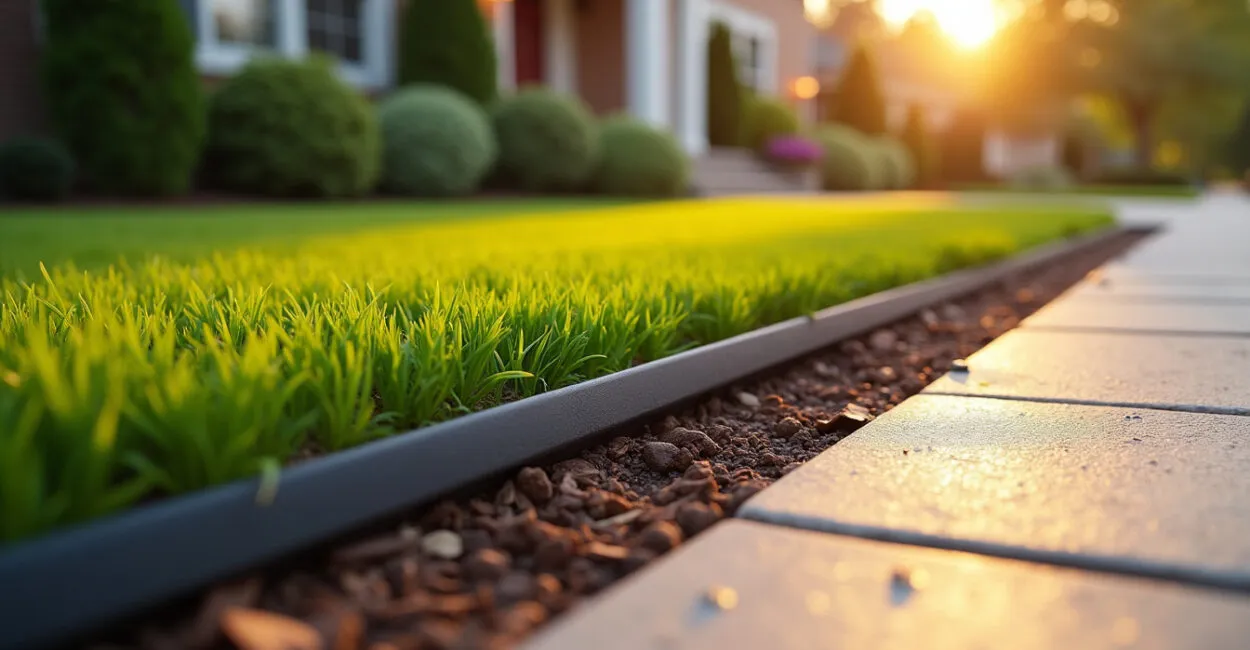 Steel edging keeps lawn and mulch neatly separated
Clean borders look easy—until grass starts creeping, mulch spills, and paths blur into beds.
Front yard edging ideas only work long-term when the material, depth, and spacing match the way your yard is actually maintained. Get that right, and you trim less for months.
Why the Best Edging Starts with the Right Gap
The technical part is simple: edging creates a physical break between turf, planting beds, and hardscape. In plain English, it gives each surface its own lane. That gap matters more than the material. A pretty stone edge with no depth will fail fast.
For most front yards, a 2- to 4-inch separation is the sweet spot. It gives grass roots less room to jump, keeps mulch from washing out, and makes a mower wheel sit cleanly on the line. Wider can work near curves. Narrower usually means more hand trimming.
Read also: Low-Maintenance Front Yard Landscaping Ideas That Work in 2026
That’s why front yard edging ideas should start with function, not color. A steel strip, paver border, or compacted trench can all work if the line is crisp and the height stays consistent. The next question is which material holds that line longest.
Which Edging Material Stays Clean the Longest?
If you want the lowest-maintenance result, think about erosion, not style. Steel edging holds sharp curves well. Brick and stone feel more finished. Concrete edging resists movement. A simple trench edge looks natural, but it needs the most touch-up.
Read also: Drought-Tolerant Front Yard Plants: 9 Picks That Stay Neat
Best choice depends on your yard’s pressure points. Along pathways, choose something rigid. Around planting beds, slightly flexible materials handle curves better. Near thick turf, taller barriers help block creeping runners.
One homeowner I saw kept re-cutting a soft bed edge every three weeks. After switching to a buried steel border, the line stayed cleaner through two seasons. Same lawn. Same mower. Different edge. That’s the kind of front yard edging ideas that actually save time.
For a reliable reference on planting and turf maintenance, see the University of Minnesota Extension lawn care guidance.
Install Details That Decide Whether It Lasts
Most edging failures come from rushed installation. Set the edge with a level line first, then dig deep enough to anchor it. If the top edge wiggles, weeds and grass will find it.
- Cut a clean trench before setting material.
- Keep the top edge slightly above soil to hold mulch.
- Backfill tightly so the border does not lean.
- Match spacing to the mower deck and the bed shape.
The mistake to avoid is mixing soft edges with fast-growing grass. That combo looks fine for a month and then turns into constant cleanup. If you want fewer trims, pair stronger borders with sharp turns and a little extra depth at corners.
For outdoor materials and drainage considerations, the USDA Natural Resources Conservation Service has useful soil and water guidance that affects how borders hold up.
The cleanest front yards rarely look complicated. They just stop grass where it should stop, and they do it without asking you to fix the same edge every weekend.
What Edging Works Best for Curved Beds?
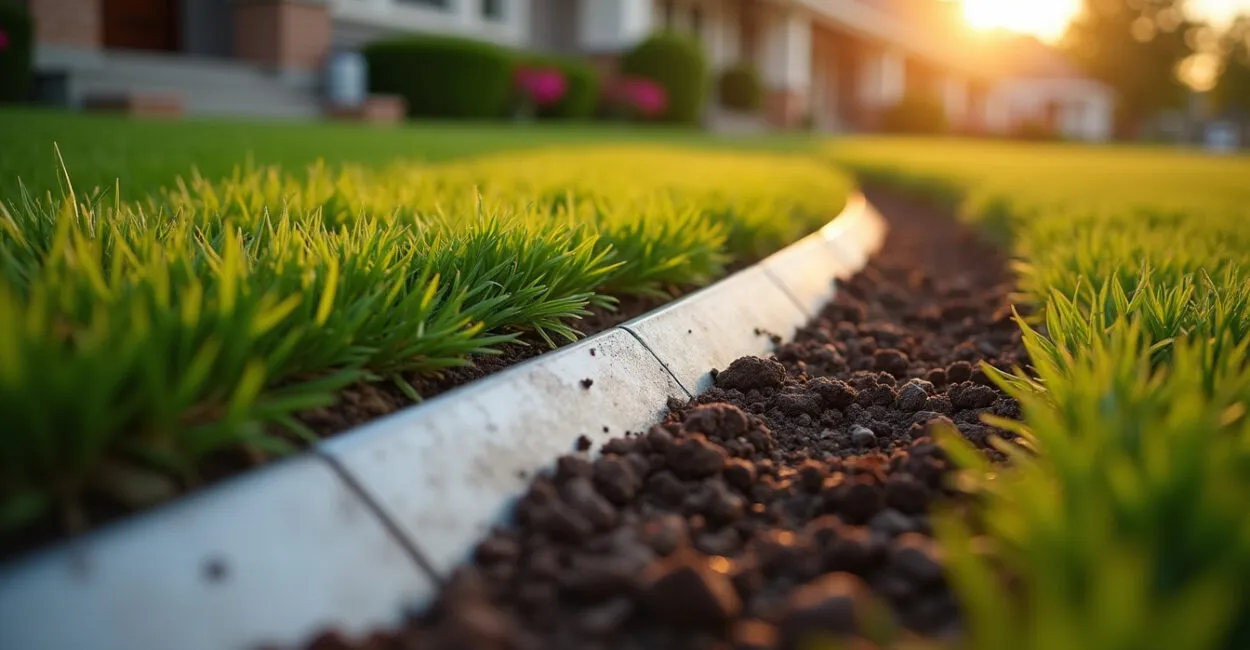
Flexible steel or aluminum edging usually works best because it bends smoothly without creating gaps. Curves expose weak materials fast, so rigid stone can look great only if the radius is wide. If the curve is tight, keep the border shallow and consistent so the line reads clean from the street.
How Deep Should I Install Landscape Edging?
Most borders need enough depth to stay anchored and block root creep. In practice, that often means several inches below grade, with the top edge sitting slightly above soil. The exact depth depends on the material and your soil type, but shallow installation is the fastest way to lose the line.
Should Edging Sit Flush with the Lawn?
Usually, no. A border that sits perfectly flush is easier for grass to cross and harder for mulch to stay put. A slight rise helps define the edge, guides the mower, and reduces spillover. The goal is a small visual break, not a trip hazard.
Is a Trench Edge Enough for a Front Yard?
Sometimes, yes—especially in low-traffic beds with slower grass growth. But trench edges need regular refreshing because rain, irrigation, and mowing soften the line. If you want fewer touch-ups over time, a buried physical border usually lasts longer than a cut line alone.
What’s the Biggest Mistake with Front Yard Edging Ideas?
Choosing by looks first. A border can match the house and still fail if it’s too shallow, too soft, or too low for your grass type. The best front yard edging ideas solve maintenance first, then style. That order saves time, and time is what people usually run out of.
📱 See this content as a Web Story