
Wall Shelves Vs. Ceiling Racks: What Works Best in Small Garages?
How to choose between wall shelves and ceiling racks in small garages: prioritize reach and daily use by placing frequently accessed items on wall shelves fo…
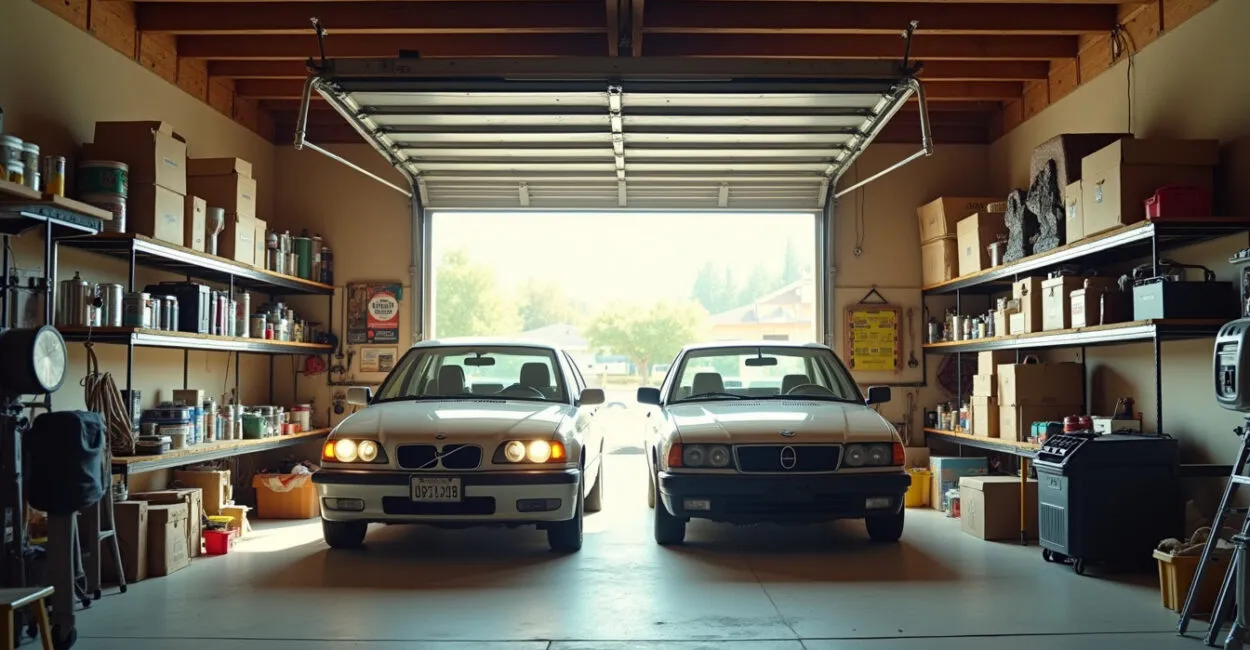 Wall shelves and ceiling racks maximize garage storage space
📅 Updated on 10/21/2026
Wall Shelves vs. Ceiling Racks: What Works Best in Small Garages?
Measured space wins here: the right choice depends on ceiling height, wall studs, and what you need to reach most often.
In a small garage, garage wall shelves and ceiling racks are not interchangeable. Wall storage keeps daily gear close. Ceiling storage uses the overhead zone for items you rarely need. Choosing by price alone can leave you with a living space where every grab feels awkward because the layout does not match your habits.
The real decision is reach. If you use an item weekly, keep it on the wall or at an easy-to-reach height. If you touch it only a few times a year, overhead storage may be a better fit.
Why Wall Shelves Win for Everyday Access
Wall shelves are a practical choice when you have suitable studs and want fast access to paint cans, hand tools, batteries, or bins you open often. With garage wall shelves and ceiling racks, let the wall handle the items you reach for regularly.
If you can reach it without moving a ladder, it may belong on the wall. Keep frequently used items within comfortable reach, and reserve higher shelves for lighter, less-used supplies.
Find the framing before choosing brackets. Many garages use studs spaced 16 or 24 inches apart, but verify your own wall rather than assuming. Use a stud finder, confirm locations, and anchor brackets into framing—not drywall alone. The Woodwork Institute bracket guidance is a useful reminder that load path and bracket spacing matter as much as shelf depth.
Before loading a shelf, check the manufacturer’s capacity for the complete installed system. A shelf, bracket, fastener, and wall connection each affect the result. Spread weight across the shelf, keep dense items closer to the wall, and avoid placing heavy containers above a walkway.
When Ceiling Racks Make More Sense
Ceiling racks can free floor and wall space when the ceiling is high enough and the rack clears the vehicle, garage door, and opener. They suit seasonal bins, camping gear, holiday decorations, and other bulky items that do not need frequent access.
The tradeoff is slower access. You need a stable ladder, a clear route for lifting items, and enough clearance to avoid head bumps or interference with moving doors. Follow the rack manufacturer’s installation and loading instructions, and check the ceiling structure before mounting. According to NIOSH ladder safety guidance, awkward reaching can contribute to falls, so avoid stretching sideways or lifting a bulky load from an unstable position.
- Choose ceiling racks for items used infrequently and manageable to lift safely.
- Choose wall shelves for daily or weekly grab-and-go supplies.
- Keep heavy, fragile, liquid-filled, or awkward items off overhead racks.
- Check garage-door travel and opener clearance before selecting a rack location.
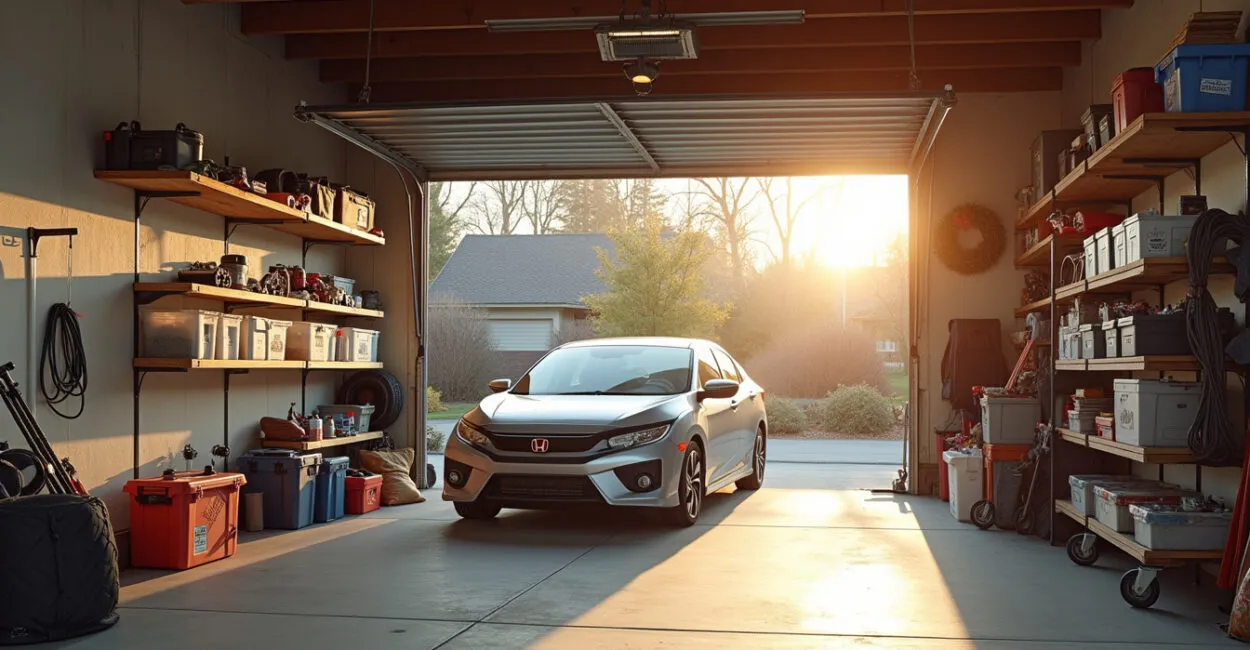
The Smartest Layout is Usually a Split System
Most small garages work better with both systems. Put wall shelves near the entry for tools, chargers, and car-care items. Reserve ceiling racks for light, bulky, low-frequency storage. Keep a clear path between the vehicle and the door so stored items do not make routine movement harder.
Read also: Repairing Drywall Nail Pops: Causes and a Lasting Fix
The best garage storage matches your habits. A rack packed from front to back can be frustrating if reaching the item you need means unloading several others. Group items by season or activity, and place the next-needed bin where it is easiest to retrieve.
For example, a household that uses sports equipment every weekend can keep balls and helmets on an accessible wall shelf while placing holiday decorations overhead. Moving the regularly used gear off the floor can make the garage easier to navigate without changing its size.
Read also: Garage Clutter is Costing You Time Every Morning—Here’s the Fix
If studs are inaccessible, the ceiling has obstructions, or heavy items are used daily, pause before choosing a system. A freestanding unit, cabinet, or different arrangement may suit the space better than forcing either shelves or overhead racks into a poor location.
How Do I Know If My Ceiling is High Enough?
Measure from the floor to the lowest obstacle, including the garage-door track and opener. Then account for the rack’s installed height, the size of the stored items, and clearance above the parked vehicle. Check the door’s full travel, not just its position when closed.
If you would need to reach over the car or lift a bulky container above shoulder height, the location may be impractical even if the measurements technically fit. In a small garage, a few inches can change how comfortably the setup works.
Are Wall Shelves Safer Than Overhead Racks?
Wall shelves usually reduce ladder use, but safety depends on correct installation and sensible loading. Shelves that miss studs or exceed the system’s rated capacity can fail. Overhead racks also require secure attachment to suitable framing, adequate door clearance, and safe access for loading and unloading.
Choose a setup you can use without stretching, twisting, or rushing. Follow the product instructions, and have a qualified installer assess the structure if you cannot confirm where or how the rack should be attached.
What Should Stay Off the Ceiling?
Keep heavy, fragile, liquid-filled, or frequently used items off overhead racks. Power tools, paint, and containers that are difficult to lift should generally stay at a convenient height or in a cabinet. Ceiling racks work better for manageable bins and bulky gear you rarely need.
Before storing anything overhead, ask whether you can lift it down under control and carry it without blocking your view. If not, choose another location.
Can I Mix Both Without Making the Garage Feel Crowded?
Yes. Use wall shelves for daily items and ceiling racks for seasonal overflow, while protecting the central walking and driving path. Keep wall storage organized by task, and avoid placing protruding items where they can catch clothing or interfere with a car door.
Leave room to retrieve bins without shifting neighboring loads. A little open space around storage can make the garage easier to use than filling every available surface.
What is the Biggest Mistake People Make?
They buy storage before measuring. Check ceiling height, framing locations, door and opener clearance, vehicle dimensions, and what you reach most often. Compare the measurements with the exact product instructions before purchasing.
Garage wall shelves and ceiling racks are tools for different jobs. The right combination gives frequently used items an accessible home and moves seasonal gear out of the way.
Choosing Shelves, Racks, or Cabinets for Your Garage
Choose based on what you store, how often you need it, and how much exposure to dust or view you want. Open shelves make items easy to see; cabinets conceal supplies and can help contain clutter. Ceiling racks use overhead space but require a safe lifting plan.
Storage type Best for Check before choosing Wall shelves Tools, supplies, and bins used often Stud locations, bracket spacing, and rated capacity Ceiling racks Seasonal or infrequently used bulky items Ceiling structure, vehicle clearance, and door movement Garage cabinets Small supplies or items you want out of sight Available floor or wall space, access, and secure mounting
For a DIY wall-shelf project, measure the available wall, locate and mark studs, then select brackets and shelves that fit the intended load and span. Install according to the product instructions, check that the shelf is level, and test it gradually before organizing items on it. Avoid relying on drywall anchors for loads that need structural support.
When comparing heavy-duty wall-mounted storage, look beyond a “heavy-duty” label. Review the manufacturer’s capacity, required fasteners, compatible wall construction, and spacing requirements. Wood shelves can be a useful DIY option when properly supported, but wood thickness, span, bracket placement, and load all affect performance; do not assume one design suits every wall.
To find garage wall shelves or ceiling racks for sale nearby, search with your location and compare product dimensions and installation requirements before visiting a store. Local availability varies. Bring your measurements, including stud spacing and vehicle clearance, so a nearby option can be assessed against your actual garage rather than chosen by appearance alone.
📱 See this content as a Web Story