

Small House Closet Storage Ideas: Maximize Every Inch
How to optimize small house closet storage by using vertical space effectively: slimmer rods, vertical shelving, and tailored storage solutions for real-life…
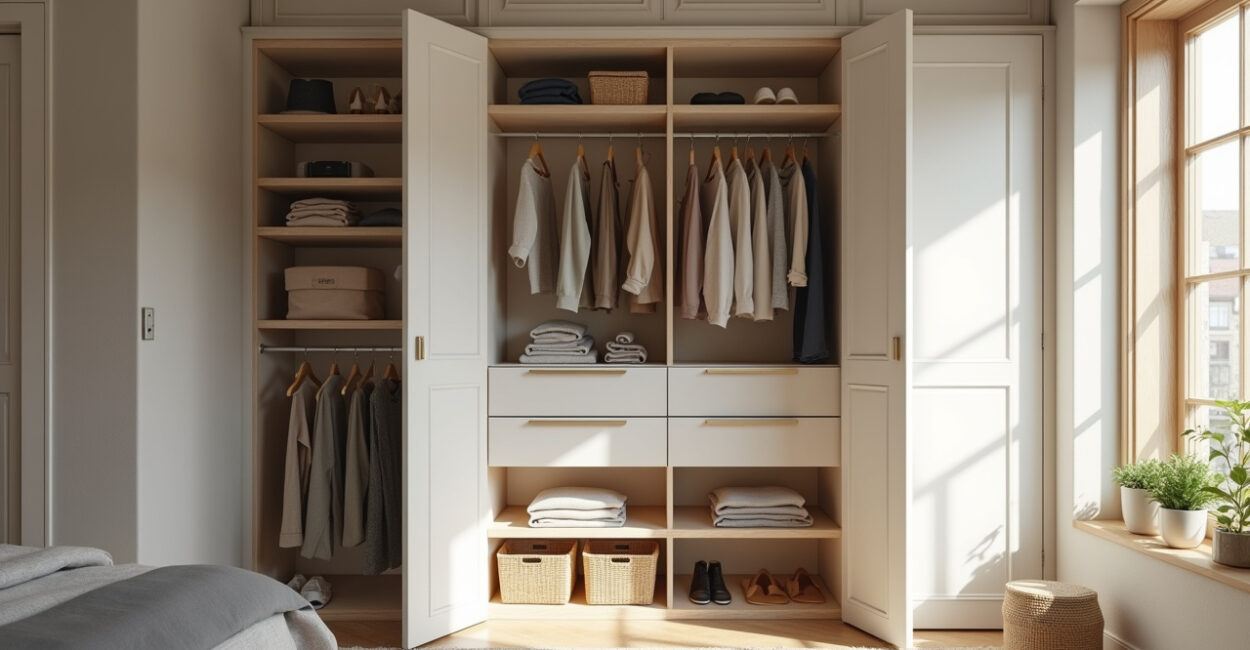
Small House Closet Storage Ideas: Maximize Every Inch
A small closet does not fail because it is tiny; it fails when the layout wastes vertical space, depth, or access. The best small house closet storage ideas are not about cramming in more bins. They are about making the same closet hold more while staying easy to use, which is the part most people get wrong.
In practice, the winning setup usually combines a slimmer hanging rod, vertical shelving, and storage that matches what you own instead of what looks neat in a product photo. That matters because a closet that is “organized” but annoying to reach will slowly turn back into clutter. Below, you will find layouts, product types, and trade-offs that actually work in real homes, including where the common advice breaks down.
What You Need to Know
- The most efficient closet upgrades usually come from height, not width, because vertical space is the most underused zone in small homes.
- Double-hang systems work best for shirts, folded pants, and shorter garments, but they become frustrating when long coats or dresses dominate the closet.
- Clear bins, slim hangers, and adjustable shelving solve different problems; using all three without a plan usually creates visual clutter.
- The right storage system should reduce decisions during busy mornings, not just increase capacity on paper.
- Doors, corners, and the back wall often hold the easiest gains because they are commonly ignored during the first pass.
Small House Closet Storage Ideas That Actually Use Vertical Space
Closet design in a small house starts with one principle: floor area is limited, but wall height is usually not. That is why the most effective upgrades focus on stacking functions upward. A top shelf, a properly placed second rod, and a set of adjustable shelves can increase usable storage without widening the closet by a single inch.
Think in Zones, Not in “Stuff”
The closet works better when each zone has a job. The upper zone handles off-season items, the middle zone handles daily clothing, and the lower zone handles shoes, baskets, or drawers. When people skip zoning, they end up with a closet full of mixed access levels, which is what makes a small space feel tight even when it is technically organized.
Vertical organization is the difference between a closet that stores clothing and a closet that wastes air above it.
Use the Full Height Without Making It Annoying
Not every inch should be easy to reach. That is a common mistake. The highest shelf should hold items you do not need weekly, such as guest bedding, winter accessories, or archived bags. For frequently used things, keep them between shoulder height and waist height so the closet stays practical instead of theatrical.
For a useful reference on safe shelf and access planning, the National Institute on Aging’s fall prevention guidance is relevant because cluttered storage and awkward reaching increase the chance of missteps, especially in tight rooms.
Choose Slim Hangers, Rod Placement, and Shelf Depth with Intent
The hardware inside the closet shapes how much it can hold more than most people expect. Slim velvet hangers, a rod mounted a little higher than usual, and shelves that are deep enough for folded clothing but not so deep that items disappear in the back can make a small closet feel twice as usable. The key is fit. Oversized accessories look efficient in a catalog and inefficient in a real closet.
Why Rod Height Matters More Than People Think
If the rod sits too low, long garments bunch at the bottom and crowd the floor. If it sits too high, the space below becomes awkward to use. In many small closets, a double-hang configuration gives the best result because it separates shorter pieces, like shirts and pants, into two layers. That said, it fails when most of the wardrobe is long or when you need one clear zone for dresses and coats.
Shelf Depth Has a Sweet Spot
Shallow shelves are great for folded knits and handbags. Deep shelves hold more, but they can become a black hole. A shelf that is too deep often encourages piles, and piles are the enemy of small-space storage. Adjustable systems solve this better than fixed shelves because they let you change the setup as seasons and wardrobes change.

Build Around What You Own, Not Around Storage Trends
People often buy bins before measuring what they need to store. That is backward. Start with the categories in your closet: hanging clothes, folded items, shoes, accessories, cleaning tools, or linens. Then choose storage that matches the shape of each category. A narrow bin works for scarves. A clear drawer organizer works for socks and underwear. A lidded tote works for seasonal items that do not need daily access.
Match Container Type to Item Frequency
- Daily use: open baskets, drawer inserts, or visible shelves.
- Weekly use: labeled bins or pull-out drawers.
- Seasonal use: lidded bins, vacuum bags, or top-shelf boxes.
That hierarchy matters because storage should follow access patterns. A sweater you wear every other day should not live in a top bin. A guest comforter does not need prime real estate. If you get this wrong, the closet looks tidy but behaves badly.
Good closet storage is not about maximizing container count; it is about minimizing the number of times you have to move one item to reach another.
Transparent Storage Helps, but Only in the Right Places
Clear bins and acrylic drawers make sense for accessories, small garments, and mixed items you need to identify quickly. They are less helpful for visually noisy items, where solid bins create a calmer look. That trade-off matters in small houses because visual clutter can make a closet feel smaller even when capacity improves.
Read also: Vertical Storage Solutions for Narrow Closets That Add Real Capacity
Read also: Built-In Storage Vs. Freestanding Furniture for Small Homes
Read also: Low-Cost House Landscaping Ideas: 15 Budget-Friendly Upgrades
For standards and dimensions related to accessible storage design, the ADA design standards are a useful reference point, especially when planning reach ranges and usable clearances in compact rooms.
Use Doors, Corners, and Hidden Surfaces Before Buying More Furniture
When closet space is tight, the easiest wins are often on surfaces people ignore. The back of the door can hold shallow hooks, an over-the-door shoe organizer, or a slim mirror with hooks. Side walls can carry belts, bags, or jewelry. Even the inside of a bifold door can support lightweight storage if the hardware can handle it. These are small gains individually, but they add up fast.
The Door is Valuable Real Estate
An over-the-door rack is not glamorous, but it is effective for small homes because it turns unused swing space into storage. It works best for flat items, small accessories, and light footwear. It fails when overloaded, which is why heavier bags and bulkier shoes belong elsewhere. If the door is already hard to close, that is a sign the setup is too ambitious.
Use Corners for Items with Odd Shapes
Corners are awkward for shelves but useful for baskets, hamper systems, or vertical hanging organizers. That makes them a good home for items that do not stack neatly. A narrow rolling cart can work too, but only if the closet depth allows it without blocking access to the main hanging section.
One homeowner I worked with had a reach-in closet that looked hopeless on paper: one rod, one shelf, and a lot of dead space above the hanging clothes. We removed the extra-deep plastic bins, added a second rod for shirts, and put seasonal bedding on the top shelf in labeled boxes. The closet did not become bigger. It just became honest about what had to be easy to reach and what could wait.
Use Pull-Out Drawers, Baskets, and Dividers Where Visibility Matters
Storage in a small closet has one hidden enemy: items vanish in the back. Pull-out drawers, drawer dividers, and open baskets fix that by making contents visible and reachable. They are not interchangeable, though. Pull-outs are best when you want full access. Baskets are better when the contents are flexible. Dividers are best when the category is small but easily tangled, like socks, ties, or belts.
When Pull-Out Systems Are Worth It
Pull-out drawers make the most sense in closets that hold folded clothing or mixed accessories. They cost more than simple bins, and they need enough clearance to operate cleanly. That means they are a strong option in custom closets and a weaker one in very narrow reach-ins where every inch of movement matters.
Baskets Are Better Than They Look
People underestimate baskets because they seem casual, but they are often the best middle ground between open shelving and closed drawers. A basket keeps similar things together without forcing perfect folding. That makes it useful for kids’ items, athletic wear, or quick-grab seasonal accessories. The downside is that baskets hide small items unless you label them well.
| Storage Type | Best For | Main Trade-Off |
|---|---|---|
| Pull-out drawers | Folded clothes, accessories | Need space and better hardware |
| Open baskets | Flexible items, quick access | Less visibility for small pieces |
| Dividers | Socks, belts, ties | Only useful for small categories |
Design a Closet That Fits Your Routine, Not Just Your Stuff
The smartest small house closet storage ideas fail if they ignore daily behavior. A closet should match the way you dress, unpack laundry, and rotate seasons. If your mornings are fast, keep complete outfits together. If you do laundry in batches, use labeled bins for sorting. If your wardrobe changes often, choose adjustable shelves instead of fixed installations.
Daily Habits Should Shape the Layout
Someone who wears uniforms needs a different closet than someone who rotates between office clothes and gym wear. A parent managing children’s clothing needs faster access than someone storing mostly adult basics. That is why “best closet system” advice is incomplete without context. The right answer depends on how often items move, not just what they are.
Adjustability Beats Perfection
Closet systems that can change over time usually last longer in real homes. Fixed layouts look polished on day one, then become annoying when a new job, new season, or new child changes the storage mix. Adjustable shelving, removable bins, and modular inserts give you room to adapt without ripping anything out.
A closet becomes efficient when the most-used items are the easiest to reach and the least-used items are the hardest to see.
Budget-Friendly Upgrades That Deliver the Most Space Fast
You do not need a full custom build to get meaningful results. In many small homes, the best return comes from a few targeted changes: swap bulky hangers for slim ones, add a second rod, use shelf dividers, and move seasonal items out of prime space. Those fixes are cheap, but they solve the biggest layout problems first.
Spend Where Structure Matters
- Highest priority: sturdy rods, shelf brackets, and good hangers.
- Second priority: bins, baskets, and drawer inserts matched to categories.
- Lower priority: decorative containers that look nice but do not improve access.
That order is not glamorous, but it saves money and frustration. If you spend on pretty containers before fixing the hanging layout, you will still have a cramped closet. If you fix the structure first, even basic bins perform much better.
For homeowners checking safety and structural fit before installing heavier storage, the FTC’s home improvement guidance is worth reviewing when you are comparing contractors or closet installation quotes.
What to Do Next for a Better Small Closet
The fastest path is not to buy a complete system. It is to measure the closet, sort items by access frequency, and install the smallest changes that solve the worst bottleneck first. If hanging space is the problem, add a second rod. If piles are the problem, add dividers and bins. If clutter spills outward, use the door and the upper shelf before expanding into the room.
Pick one closet in the house and redesign it around how often you use each item. That single test will show you which upgrades deserve a permanent place in the rest of the home.
Frequently Asked Questions
What is the Best Storage Layout for a Small Closet?
The best layout usually combines one primary hanging zone, one secondary hanging zone, and at least one shelf or bin zone above or below. That structure works because it separates daily items from seasonal or rarely used items. In a very small closet, the most important rule is to keep the most-used things between eye level and waist level. Anything outside that range should earn its place by being less urgent.
Are Double-hang Rods Worth It in Small Closets?
Yes, if most of your clothes are shorter items such as shirts, blouses, and folded pants. A double-hang setup can nearly double hanging capacity without expanding the closet footprint. It is not the right choice for long dresses, coats, or tall storage needs, because those items will lose vertical clearance. The layout works best when it is paired with a top shelf for off-season storage.
Do Clear Bins Really Help, or Do They Just Look Organized?
Clear bins help when you need fast identification of contents, such as accessories, children’s items, or mixed seasonal gear. They are less helpful for large clothing piles, where visibility does not solve the access problem. In small closets, the biggest benefit is not appearance; it is the reduction in time spent opening containers to find one item. If the contents are too varied, opaque bins with labels are often better.
What Should Go on the Top Shelf of a Small Closet?
The top shelf should hold items you use infrequently, such as guest bedding, seasonal clothing, travel bags, or archival boxes. It should not hold everyday accessories or things you need before work. The reason is practical: high shelves are harder to reach and should support low-frequency storage. If you need a step stool every day, the shelf is being used for the wrong category.
What is the Cheapest Upgrade That Makes the Biggest Difference?
For most small closets, slim hangers deliver the fastest improvement for the least money. They free up rod length, reduce shoulder bulk, and make garments easier to scan. After that, a second hanging rod or a set of shelf dividers usually creates the next biggest gain. The exact order depends on the closet’s current bottleneck, so measure the problem before buying accessories.