Warning: Cannot modify header information - headers already sent in /home/u278635817/domains/myhousegarden.com/public_html/wp-content/plugins/artigosgpt/artigosgpt.php on line 28454
It was past midnight and my friend was staring at a sad, leggy plant by the window, wondering if it deserved another chance. The ZZ plant sat in a corner that never saw direct sun, yet it looked healthier than the snake plant on the brighter shelf—contrary to what she expected. If you live in a dim apartment, this comparison will save you time, water, and a few houseplant funerals.
Why Some Low-light Apartments Favor the ZZ Plant over Snake Plant
The ZZ plant tolerates deep shade better than many houseplants—and often better than snake plant in real rooms. In apartments where windows face north or are blocked by buildings, ZZ plant leaves keep glossy and intact while snake plant leaves can pale or grow slowly. ZZ plant stores water in thick rhizomes, which helps it survive long dark stretches. That doesn’t make it invincible—both struggle with zero light—but for stubbornly dim corners, ZZ plant usually bounces back faster.
Watering Reality: Who Actually Wins the “forgetful Owner” Test
ZZ plant beats snake plant for people who forget to water—but with a catch. ZZ plant survives longer between waterings because of its rhizomes. Snake plant likes to dry out too, but overwatering hits it faster: soggy soil causes rot in snake plant leaves within weeks. Practical rule: ZZ plant—water every 6–8 weeks in low light. Snake plant—water every 3–6 weeks but check soil. Use a finger test or a moisture meter to avoid costly mistakes.
Growth Speed and Space: Which Fits a Cramped Apartment
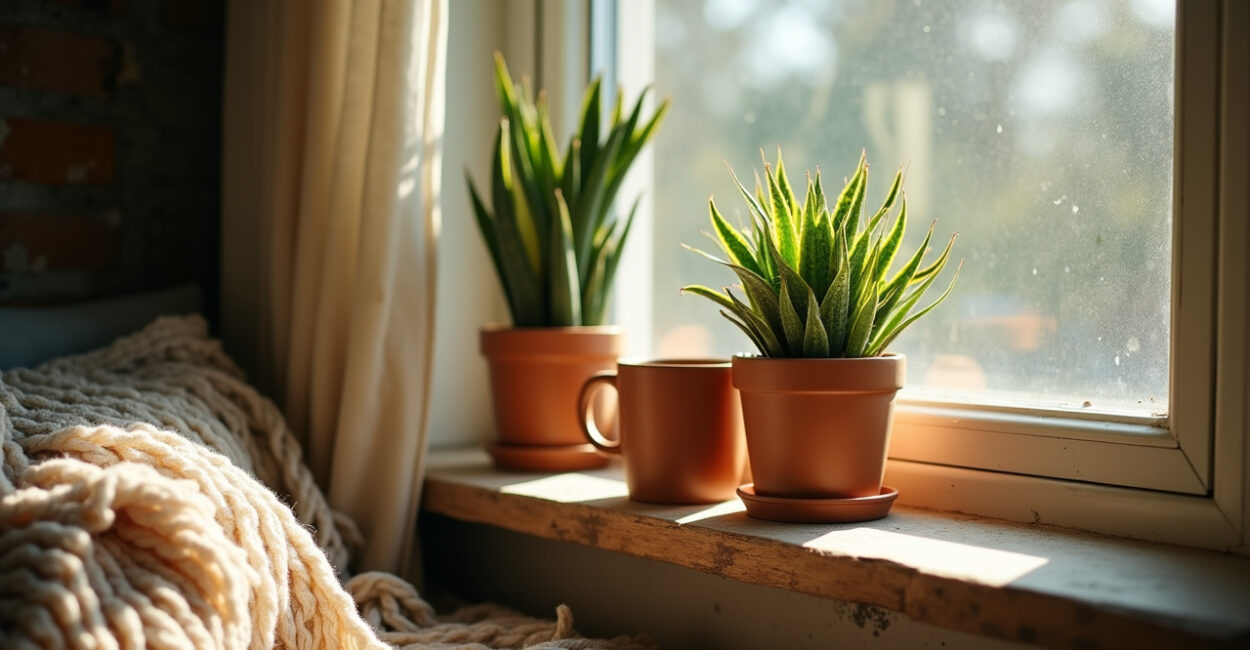
Expect ZZ plant to grow slowly and steadily; snake plant can sprint under the right conditions. In low light, ZZ plant often produces a new stem every few months. Snake plant is more opportunistic—give it some indirect light and it can outpace ZZ plant. If you need vertical presence fast, snake plant can feel fuller sooner. If you want a tidy, slow-growing companion that won’t explode in size, ZZ plant is more predictable for tiny spaces.
Aesthetics and Styling: Form, Texture, and the “vibe” They Send
ZZ plant reads sleek and tropical; snake plant reads architectural and modern. The ZZ plant’s glossy oval leaves feel lush and warm—great for softening a gray room. Snake plant’s upright, variegated blades deliver sculptural contrast and work well in narrow corners or modern frames. Choose by mood: want soft, living sculpture? Pick ZZ plant. Need a bold vertical accent that defines a doorway or niche? Choose snake plant. Both photograph well for social feeds, but they give different energy.
Common Mistakes People Make with Both Plants (and How to Avoid Them)
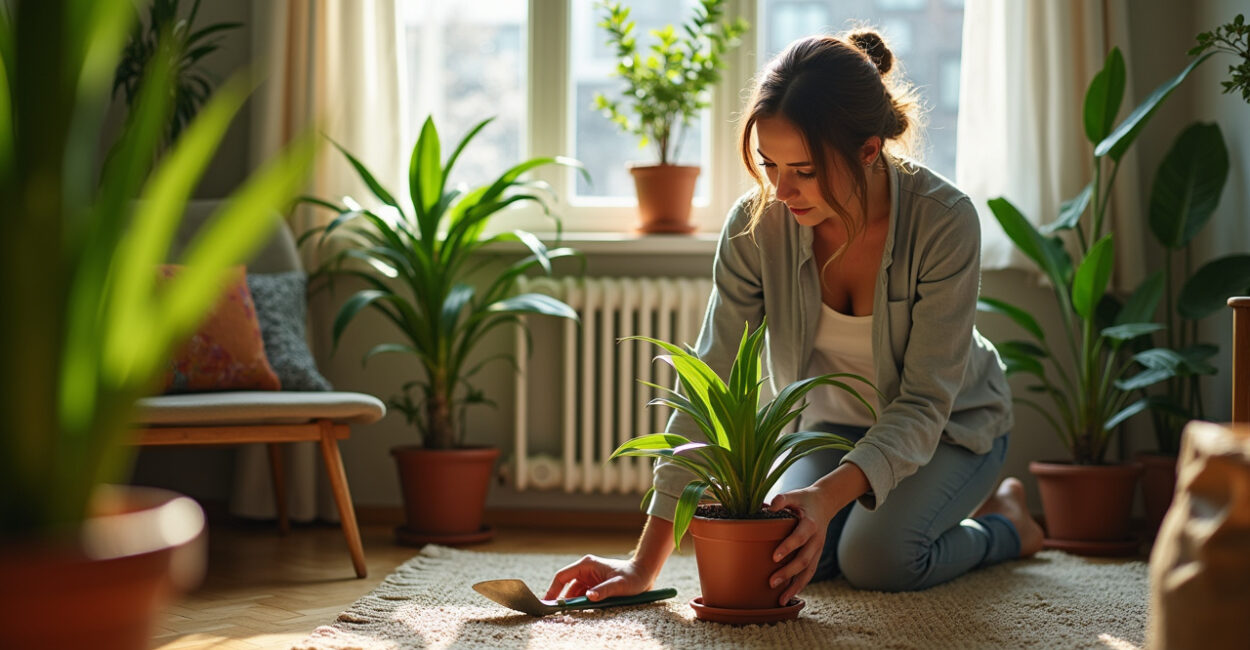
Overwatering, tiny pots, and wrong light placement are the top three killers. For ZZ plant, people often repot into a deep, water-retaining mix—bad idea; use a chunky, well-draining soil. For snake plant, the mistake is putting it in a too-small pot that holds moisture at the base. Both suffer from cold drafts. Quick fixes: choose fast-draining potting mix, use pots with drainage, avoid windowsill summers that bake leaves, and don’t push either into permanent darkness.
- Don’t water on a schedule—check soil first.
- Avoid heavy, moisture-retentive potting mixes.
- Keep both away from AC/heater blasts and freezing nights.
The Myth-buster: Expectation Vs. Reality in Apartment Life
People often say “both are foolproof” — that’s the myth. In reality, ZZ plant tolerates neglect but is sensitive to root rot; snake plant tolerates light better but hates wet feet. Expectation: either plant will survive any corner. Reality: each has specific failure modes. In my own apartment, a north-facing ZZ plant thrived where a snake plant languished for a year. But the snake plant survived a drafty hallway where the ZZ got chilled. Match plant to the exact problem you face.
How to Choose Today: A Short Decision Checklist
Pick the plant that matches your exact routine and spot—not the one you like on Instagram. Quick decision guide:
- If you’re often away and the corner is very dim → ZZ plant.
- If you want fast vertical impact and some indirect light → snake plant.
- If overwatering is your habit → prefer snake plant but improve drainage.
- If you want low grooming and consistent look → ZZ plant.
Want a compromise? Small ZZ plant plus a short snake plant in the same room covers most light patterns without competing for space.
For plant care guidelines and toxicity info, see resources from the American Society for the Prevention of Cruelty to Animals and practical light/watering advice from university horticulture programs like Penn State Extension.
Which look will you live with every day? That’s the real question. The right plant should reduce friction in your life, not add another chore.
Can I Keep a ZZ Plant and Snake Plant Together in the Same Pot?
Yes, you can, but only if you match their soil and watering needs. Use a gritty, well-draining mix that suits both and a pot with drainage holes. Plant the snake plant slightly higher because it dislikes sitting in pooled water; keep ZZ plant’s rhizomes shallow so they don’t stay wet. Water sparingly and only when the top 1–2 inches of soil are dry. Grouping works best if both plants receive similar indirect light and you accept slightly slower growth for both.
How Often Should I Repot a ZZ Plant in a Low-light Apartment?
Repot ZZ plant every 2–3 years or when roots crowd the pot. In low light it grows slowly, so you won’t need annual repots. Choose a pot only one size larger; oversized pots hold too much moisture and invite rot. Use a chunky, fast-draining mix and avoid burying the rhizomes too deep. Repotting in early spring gives the plant time to adjust before lower light months. If the plant looks stunted but roots are not circling, consider fertilizing lightly rather than repotting.
What Signs Tell Me My Snake Plant is Unhappy in Low Light?
Unhappy snake plants show pale, soft leaves and slow new growth. Leaves may lean or become floppy rather than standing upright. Brown, mushy spots signal overwatering, not light. If the plant produces thin, elongated shoots, it’s stretching for light. Move it to a brighter indirect spot for a month to see recovery. Trim dead leaves and check soil moisture. Often, a small change—more indirect light and less water—reverses decline within weeks.
Is the ZZ Plant Safe Around Pets and Kids?
ZZ plant is considered toxic if ingested; all parts can cause irritation, nausea, or worse in pets and children. Keep it out of reach on high shelves or in hanging planters. If you live with curious pets, consider placing it behind barriers or choose pet-safe alternatives. For accurate guidance on symptoms and treatment, contact your veterinarian or the ASPCA Animal Poison Control. Handling the plant with gloves prevents skin irritation when pruning or repotting.
How Do I Revive a Overwatered ZZ Plant or Snake Plant?
First, stop watering and remove the plant from its pot. Gently wash soil from roots and trim any soft, brown, or black roots with clean scissors. Let the roots air-dry for a day. Repot into a fresh, fast-draining mix and a pot with drainage holes. For severe rot, discard affected rhizomes or leaves. Place the plant in bright, indirect light and delay watering for several weeks. Recovery can be slow; new growth shows only after healthy roots re-establish.