
Low-Allergy Garden Plants for Families: What Landscapers Choose Now
How landscapers select low-allergy garden plants for families: choosing female or sterile cultivars, insect-pollinated flowers, and layered designs that redu…
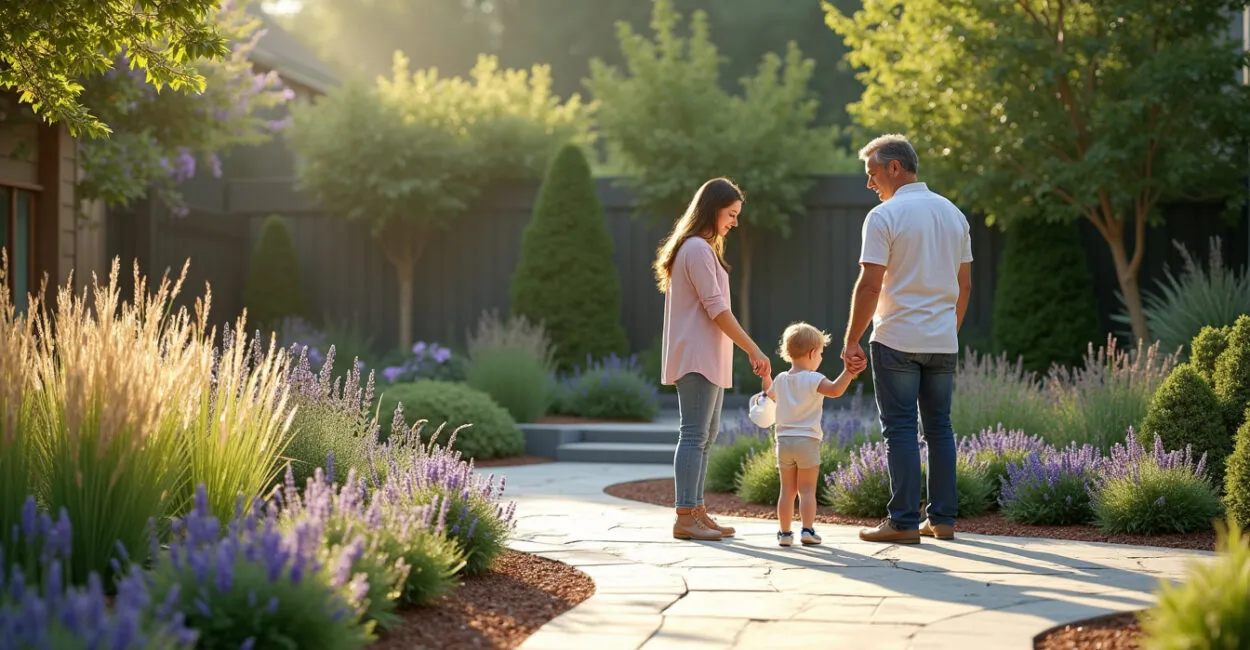 Family explores a garden of low-allergy plants
Families don’t need a “sterile” yard; they need low-allergy garden plants for families that calm pollen, soften the air, and still feel alive.
That’s why good landscapers are changing the playbook in 2026. They’re not chasing the prettiest bloom first. They’re choosing female or sterile cultivars, low-pollen flowers, and layered plants that keep kids comfortable without turning the garden into a green parking lot.
The best family gardens now are designed for comfort first, color second, and maintenance third. That order matters more than most people think.
What Landscapers Are Choosing Instead of “pretty but Irritating” Plants
The technical idea is simple: reduce airborne pollen, then build a garden that still looks welcoming. In low-allergy garden plants for families, landscapers lean toward plants with heavier pollen, showier petals, or less wind dispersal. Translation: less sneezing, less dust on patio tables, and fewer spring mornings ruined by a bad fit.
What works best is a mix, not a single “magic” plant. Think compact shrubs, ornamental grasses used sparingly, and flowering plants that are insect-pollinated rather than wind-pollinated. A good pro also checks bloom timing, because one allergen-heavy tree can undo ten calm choices.
The smartest move is avoiding the plants that flood the air, not just adding “safe” ones. That’s the part homeowners often miss.
Read also: Pet-Safe Landscaping Plants for Family Homes That Actually Thrive
- Favor female or seedless cultivars where possible.
- Use flowers with heavier, stickier pollen.
- Skip high-pollen trees near windows and play areas.
- Place fragrant plants where air movement is lower, not right by seating.
For context, allergy patterns can shift by region and season. The CDC’s allergy guidance is a useful reminder that plant choice is only one part of the picture. Pollen pressure, weather, and local vegetation all matter. That’s why a landscaper’s shortlist usually starts with what to avoid.
The Plants That Earn a Place Near Kids, Patios, and Play Zones
In practice, low-allergy garden plants for families are chosen for restraint. Boxwood, hydrangea, camellia, hosta, heuchera, and many roses from lower-pollen lines are common picks because they bring structure and color without blasting the air. Some landscapers also use native shrubs that bloom in a controlled way and stay easy to prune.
Read also: Cat-Friendly Flowering Plants: Which Blooms Work Best Near Paths?
Here’s the comparison that surprises homeowners: a “lush” yard packed with spring-blooming wind-pollinated trees may look richer, but it often performs worse for family comfort than a quieter design with layered shrubs and groundcovers. Cleaner air around the seating area usually comes from density and placement, not from one dramatic plant.
A family garden should feel like a place to exhale, not a place you brace for pollen season.
One real-world pattern shows up again and again: a family swaps out one aggressive ornamental tree near the back door, and suddenly the whole patio becomes usable again. Not because the garden became boring. Because the plant list finally matched how the family lives.

The Mistakes That Make “low-allergy” Gardens Fail
Low-allergy garden plants for families can still disappoint if the layout is wrong. A good plant in a bad spot can act like a bad plant.
- Putting high-pollen species near doors and windows.
- Choosing scent-heavy plants for tight seating areas.
- Ignoring maintenance, so dead flowers and seed heads build up.
- Mixing in too many ornamental grasses if pollen is already a problem.
Who works with this every day knows the biggest issue is not aesthetics. It’s overlap. One poor choice in a small yard can affect the whole zone where kids eat, play, and sit. That’s also why experienced landscapers look at air flow, shade, and pruning access before they ever talk about color.
For a broader view on plant selection and environmental quality, the USDA and university extension resources are worth checking alongside local nursery advice. The right plant list is local, not generic.
📱 See this content as a Web Story
FAQ
What Makes a Plant “low-allergy” for Families?
Usually it means the plant produces less airborne pollen, or its pollen is heavier and less likely to travel far. Landscapers also look at where it blooms, how messy it gets, and whether it creates extra irritants like heavy scent or dust. The goal is comfort in the places your family actually uses, not just a lower allergy score on paper.
Are All Flowering Plants Bad for Allergies?
No. Many flowering plants are insect-pollinated, which means their pollen is less likely to float through the air and trigger symptoms. The problem is usually wind-pollinated plants, not flowers in general. In fact, some of the best low-allergy garden plants for families have plenty of color and texture without the same airborne load.
Can a Garden Really Help with Cleaner Air?
Yes, but with limits. Plants can filter dust, reduce heat, and make outdoor air feel fresher, especially when layered well around seating and paths. They do not erase regional pollen or pollution. Think of them as support, not a cure. That distinction matters if someone in the family has strong allergies or asthma.
Should I Avoid Grasses Entirely?
Not necessarily. Some ornamental grasses are useful for structure, movement, and privacy. But if pollen is a major issue, you need to be selective and avoid overusing them. A landscaper will usually balance grasses with shrubs, evergreens, and groundcovers so the garden keeps its shape without turning into a pollen source.
What’s the Safest Way to Start Redesigning a Yard?
Start near the places your family uses most: doors, patios, and play areas. Remove the highest-pollen plants first, then replace them with low-allergy garden plants for families that fit your climate. If you can, walk the yard during bloom season before deciding. That’s when the problem becomes obvious, and the wrong choices stop looking harmless.
Great family gardens don’t ask people to suffer for beauty. They make the air feel kinder, the space easier to use, and the planting feel intentional. That’s the real upgrade.
The best garden is the one your family can enjoy without thinking about what it might trigger.