
Top 10 Essential Oils to Use Around the House for a Healthier Home
How to choose essential oils for specific rooms and needs: freshness for kitchens, calm for bedrooms, dampness control, and tips on safe use and storage.
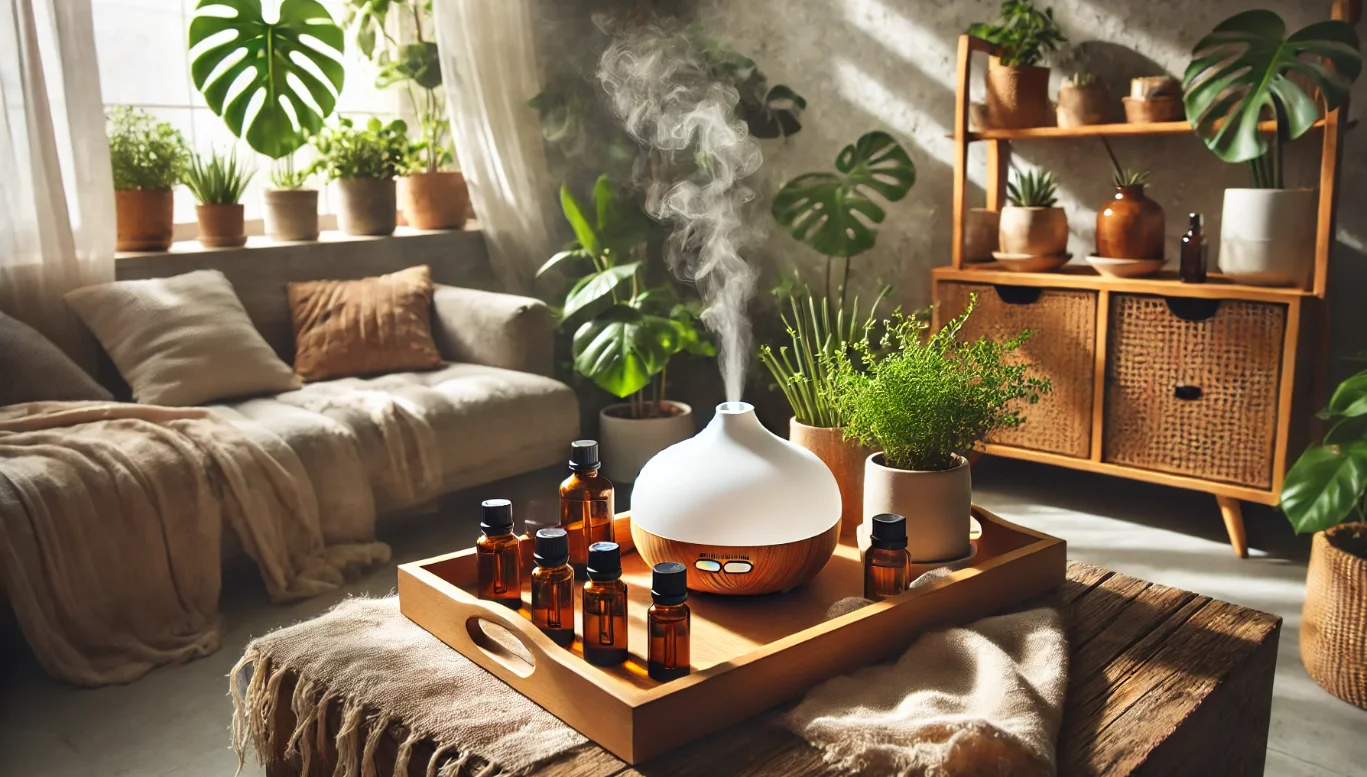 Essential oils and fresh botanicals on kitchen counter
📅 Updated on 06/13/2026
One drop can change a room’s smell; the wrong drop can make the whole space feel harsh. When people look for essential oils to use around the house, they usually want three things: a cleaner scent, a calmer atmosphere, and a few practical helpers for everyday routines.
The useful way to think about essential oils is not “which one smells best,” but which one fits a specific job. Some are better for kitchens, some belong in bedrooms, some work well in humid spaces, and a few should be used sparingly because they can irritate sensitive people or overwhelm pets. This guide focuses on the oils that earn their place in a real home, how they differ, and where the limits are.
Key Takeaways
- Essential oils are aromatic plant extracts; they can support scenting and routine cleaning, but they do not replace disinfectants, mold remediation, or good ventilation.
- The most useful home oils solve a specific problem: citrus for freshness, lavender for calm, tea tree for damp areas, and eucalyptus for a sharp, clearing scent.
- A small home setup usually works better with 3 to 5 oils than with a large collection you rarely use.
- Diffusion time, dilution, storage, and room size matter as much as the oil itself.
Essential Oils to Use Around the House and What Each One Does Best
Essential oils are concentrated volatile compounds extracted from plant material, usually by steam distillation or cold pressing. In plain English, they are highly aromatic plant essences that can scent a room, add character to homemade cleaners, or support a routine that makes spaces feel fresher.
The practical question is not whether an oil is “good” in general. It is whether it works in a kitchen, bathroom, linen closet, home office, or entryway without creating a bigger problem than it solves.
1. Lemon: The Fastest Way to Make a Room Feel Clean
Lemon is the most immediately recognizable freshness oil. Its bright, sharp aroma reads as clean even before you touch a surface, which is why it shows up in kitchen sprays, trash-area refreshers, and diffuser blends for common spaces.
That said, lemon scent is not sanitation. For actual cleaning guidance, the U.S. Environmental Protection Agency keeps a clear distinction between cleaning, disinfecting, and sanitizing; fragrance alone does none of those jobs. See the EPA’s home cleaning and disinfecting guidance for the standard many people skip.
2. Lavender: The Safest Default for Bedrooms and Linens
Lavender is the most versatile calming oil in the home. It works well for pillow sprays, evening diffuser routines, drawer sachets, and laundry refreshers because it softens the sensory feel of a room without turning it perfumed or heavy.
In practice, what happens is simple: too much lavender starts to smell like a product aisle, while a light dose makes fabric and air feel settled. If you want one bottle that fits broad, low-risk use, this is usually the one.
What separates a useful home oil from a pretty scent is fit: the best oil matches the room, the task, and the sensitivity of the people living there.
3. Tea Tree: The Best Pick for Damp Zones
Tea tree has a sharper, medicinal edge that suits bathrooms, laundry rooms, and places that tend to hold moisture. People often choose it when a space feels stale after a shower or when a closet needs a more hygienic-feeling scent.
Its limitation is worth saying out loud. Tea tree can support a cleaning routine, but it does not solve mold, mildew, or water damage. If a wall or ceiling has a moisture problem, the right fix is inspection and remediation, not more fragrance. The EPA mold resource is a better reference than any recipe blend.
4. Eucalyptus: For a Cool, Clearing Atmosphere
Eucalyptus is the oil people reach for when they want a room to feel open and fresh rather than sweet. It is useful in bathrooms, shower steam routines, and short diffuser runs where the goal is to cut through stagnant air.
It can also be too much. This is one of the oils that sounds clean in theory and becomes aggressive when overused. Keep diffusion brief, especially in smaller rooms, and be cautious around children and pets.
5. Peppermint: For Entryways, Offices, and Morning Routines
Peppermint gives a room a brisk, alert feel. That makes it a good fit for home offices, mudrooms, and kitchens where you want a crisp scent that signals “wake up” rather than “relax.”
Who works with oils a lot learns this quickly: peppermint travels. One or two extra drops can dominate a room, cling to fabrics, and linger longer than expected. Use less than your first instinct suggests.
6. Orange: The Softest Citrus for Shared Spaces
Sweet orange is warmer and rounder than lemon, which is why it behaves well in family rooms and laundry areas. It makes a space feel friendly instead of sharp, and it blends easily with clove, cedarwood, or a small amount of lavender.
If lemon is the “clean counter,” orange is the “comfortable home.” That difference matters when the room already has enough energy and you do not want another bright note competing with it.
The Best Room-by-Room Pairings
Matching the oil to the room gets better results than using one signature scent everywhere. A bedroom asks for calm, a bathroom needs freshness, and a kitchen benefits from scents that do not fight food smells.
Room
Best Oils
Why They Fit
Kitchen
Lemon, orange, peppermint
These read clean, bright, and neutral enough not to clash with cooking odors.
Bedroom
Lavender, cedarwood, chamomile
These support a quieter sensory environment and are less likely to feel overstimulating.
Bathroom
Tea tree, eucalyptus, lemon
These work best where freshness and moisture control matter most.
Home office
Rosemary, peppermint, lemon
These feel alerting and clean without becoming overly floral or soft.
Closet or entryway
Cedarwood, orange, lemon
These help enclosed spaces feel dry, grounded, and less stale.
That table looks simple for a reason: most home scent mistakes come from overcomplicating the match. A bathroom does not need a “signature blend.” It needs a scent that can survive humidity and still feel fresh 20 minutes later.
What Not to Do with Room Pairings
- Do not use strong peppermint or eucalyptus in every room just because they smell “clean.”
- Do not assume floral oils will hide kitchen odors better than citrus oils.
- Do not diffuse the same blend in a small bedroom and a large open-plan living area.
The best room blend is usually the quietest one that still does its job; strong scent is not the same thing as effective scent.
How to Use Essential Oils Safely Without Wasting Money
Most problems with home oils come from overuse, poor dilution, or bad storage. These are concentrated compounds, so a little goes a long way, and a bottle that sits in heat or sunlight loses quality faster than people expect.
Diffuse with Restraint
Use short diffusion cycles instead of leaving a diffuser on all day. A brief run can freshen a room; continuous diffusion often creates sensory fatigue and can bother anyone with asthma, allergies, or fragrance sensitivity.
Dilute for Cleaning Sprays and Fabric Use
When oils go into homemade sprays, dilution matters. Essential oils do not mix with water on their own, so they need a solubilizer or carrier if you want even distribution. For fabric or skin-adjacent use, never treat a strong oil as if more concentration means better results.
If you want a non-commercial benchmark for safe handling and household chemicals, the National Capital Poison Center provides practical guidance on exposure risks and what to do if someone reacts badly: Poison Control.
Store Them Like Ingredients, Not Décor
Keep bottles tightly closed, away from heat and direct light, and out of reach of children and pets. An oil that smells flat or “off” after a year is often oxidized, not improved by age. Citrus oils, in particular, tend to degrade faster than woodsy oils.
The Oils That Earn Shelf Space and the Ones That Usually Don’t
If you only keep a few bottles, choose by function, not novelty. Most homes do not need ten oils open at once; they need a small group that actually gets used. A practical starter set usually includes one citrus oil, one calming oil, one sharp antimicrobial-leaning oil for scent support, and one woodsy anchor.
A Sensible Core Set
- Lemon or orange for freshness.
- Lavender for calm and linens.
- Tea tree for damp areas and cleaning blends.
- Eucalyptus or peppermint for sharp, clearing room scents.
- Cedarwood or rosemary for grounding, less sweet blends.
Rosemary deserves a place here because it smells focused rather than sweet, and cedarwood earns its keep in closets and entryways where you want a dry, stable scent. Chamomile can be useful too, but it is more situational and usually belongs in a bedroom routine rather than as a general-purpose home oil.
A Simple Setup for a Whole House
One weekend case I remember well came from a family that had six different “fresh” sprays and still complained that the house felt stale. The problem was not a lack of fragrance. They were using the wrong oil in the wrong room, at the wrong intensity, and storing half the bottles open on a sunny shelf.
We pared the setup down to four oils: lemon for the kitchen, lavender for bedrooms, tea tree for the bathroom, and cedarwood for closets. The house did not suddenly smell like a spa. It smelled more coherent, which is usually the real goal.
One good rule: if a bottle does not have a clear job in your home, it is probably not worth buying. A lean setup gets used, stays fresh longer, and creates fewer regrets.
How to Choose Oils Based on Your Home’s Real Needs
Start with the room that gives you the most friction. If it is the bathroom, buy tea tree or eucalyptus first. If it is the bedroom, buy lavender. If your kitchen smells flat after cooking, lemon or orange will do more for you than a dozen “wellness” blends.
For broader safety and usage questions, the National Center for Complementary and Integrative Health offers a useful overview of essential oils, including the fact that evidence varies widely by oil and by use. That nuance matters. Not every popular claim holds up in a real house.
So the best strategy is simple: match the oil to the task, keep the number of bottles small, and treat scent as a support tool rather than a cure-all. If you want your home to feel cleaner and calmer, buy fewer oils, use them more intentionally, and stop expecting one bottle to solve every room.
Frequently Asked Questions
What Are the Safest Essential Oils to Use Around the House?
Lavender, lemon, orange, and cedarwood are usually the easiest starting points for general home use. They are versatile, widely available, and less likely to overpower a room when used in small amounts. Safety still depends on ventilation, dilution, and who lives in the home.
Can Essential Oils Replace Household Cleaners?
No. Essential oils can make a home smell cleaner and can support a cleaning routine, but they do not replace soap, disinfectants, or proper surface cleaning. For food-contact surfaces, bathroom sanitation, and mold issues, use the right cleaning method for the job.
Which Oil is Best for a Bathroom?
Tea tree is the strongest all-around choice for bathrooms because it suits damp spaces and has a fresh, sharp scent. Eucalyptus and lemon are also good options if you want a cleaner, brighter smell. Short diffusion sessions usually work better than constant fragrance.
Are Essential Oils Safe for Pets?
Not all of them are. Cats are especially sensitive to several essential oils, and even dogs can react to heavy diffusion or direct contact. If pets are in the home, use smaller amounts, keep rooms ventilated, and check species-specific guidance before diffusing.
How Many Essential Oils Do I Really Need for a House?
Most homes do well with three to five oils. That gives you enough variety for kitchens, bedrooms, bathrooms, and storage areas without turning the cabinet into unused inventory. A smaller set is also easier to store and rotate before oils degrade.
What is the Most Versatile Oil for Beginners?
Lavender is the easiest all-purpose starting point for calmer spaces, while lemon is the most flexible for freshness. If you want one for mood and one for cleaning-adjacent scent use, those two cover a lot of ground without creating a complicated setup.