

Garden Maintenance: Monthly Checklist for Show-Ready Beds
Master garden maintenance with our month-by-month checklist. Prune, feed, and prep your yard to keep it thriving all year. Start today!
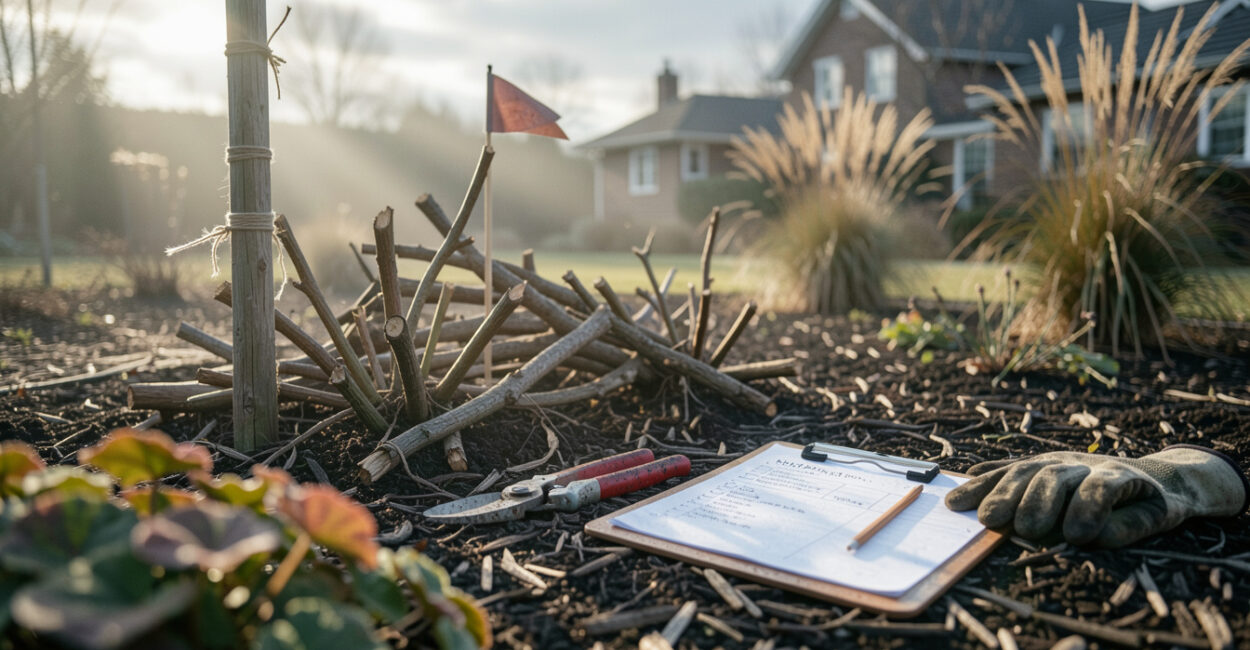
The bed looked like a postcard one week and a scrubby mess the next — we’ve all been there. Garden Maintenance can be the difference between a yard that turns heads and one that begs for mercy. This month-by-month checklist gives you small, sharp steps: prune, feed, check for pests, and prep for the season ahead so beds stay tidy and in bloom with minimal time out of your week.
January: The Quiet Audit That Saves the Season
Now is the time to inspect, not to plant. Garden Maintenance in January is about spotting winter damage and setting priorities. Walk the beds after a thaw. Mark plants that need divisons, note spots where winterkill happened, and check stakes and ties. A quick audit prevents shock in spring and saves hours later.
- Look for broken branches and dead stems.
- Clear mulch that’s matting and trapping moisture.
- Make a simple list of replacements and cutback targets.
February: Prune Smart — Not Brutal
Pruning is a surgical act, not a haircut. In February, prune deciduous perennials and cut back ornamental grasses if you didn’t in late fall. Garden Maintenance here protects bloom structure and air flow. Over-pruning reduces flowers; under-pruning invites disease. Use clean tools and make cuts at a 45° angle. This small discipline gives fuller, healthier growth when the days lengthen.
- Sharpen shears and disinfect between plants.
- Thin crowded stems to open air channels.
- Save cuttings that root easily for free replacements.

March: Soil First — Feed What’s Hungry
Soil tests beat guesswork. Before you scatter fertilizer, do a quick soil pH and nutrient test. Garden Maintenance in March means feeding based on need. Add compost and a balanced slow-release feed if tests suggest it. Better soil now equals more bloom later and fewer rescue missions mid-summer.
- Test pH and nutrients; local extension offices often help — see your state extension.
- Top-dress beds with 1–2 inches of compost.
- Delay heavy nitrogen until after initial bloom for many ornamentals.
April: Planting and Early Pest Vigilance
Plant with an eye to maintenance. When you plant or divide in April, think about long-term care: grouping by water need, leaving access paths, and avoiding overcrowding. Garden Maintenance now also means the first pest check — slugs, aphids, and overwintering eggs show up early. Quick removal is easier than months of treatment.
- Mulch new plants to conserve moisture and suppress weeds.
- Check undersides of leaves and stems weekly.
- Use physical barriers and hand-pick pests when possible.
May: Peak Prep for Showy Summer Beds
May sets the visual tone for summer. This is the time to deadhead spring blooms, stake tall perennials, and apply a second, light feeding if needed. Garden Maintenance in May focuses on presentation: remove spent flowers, trim wayward shoots, and keep beds edged. A quick 20-minute tidy each week preserves the “show-ready” look.
- Deadhead to encourage repeat bloom.
- Place supports before plants flop.
- Edge beds for crisp lines that read well from the street.
June–August: Maintenance That Defends Beauty, Not Destroys It
Summer is defense, not overhaul. Garden Maintenance during summer is regular but light: water deeply and early, spot-prune, and watch for heat stress. Compare expectation vs. reality: a bed you thought needed new plants may only require smarter watering. Mistakes here include overwatering and overfeeding — both invite mildew and pests.
- Water deeply once or twice a week rather than shallow daily sprays.
- Mulch to keep roots cool and cut down watering.
- Remove diseased foliage immediately to prevent spread.
Mini-story: A neighbor ignored a tiny brown patch on a beloved rose bed. Two weeks later the canes were riddled; three hours of work could have prevented a week-long recovery. That one small check in June saves days later. Garden Maintenance rewards the proactive.
September–December: Prepare Beds to REST Well
Good winter prep makes spring easy. From September, shift to cleanup and protection. Cut back perennials selectively, leave seedheads for birds if aesthetic allows, and top up mulch before hard frosts. Garden Maintenance here reduces disease carryover and protects crowns from freeze-thaw cycles. A little autumn work buys a vibrant spring with less effort.
- Lift and store tender bulbs and container plants.
- Clean tools and sharpen for next season.
- Apply one final layer of compost or mulch in late fall.
Comparison: Expectation — heavy overhaul in spring. Reality — a gentle autumn prep cuts spring workload in half.
Common errors to avoid:
- Over-pruning early: kills blooms. Garden Maintenance is timing-sensitive.
- Blanket feeding without testing soil: wastes money and harms plants.
- Ignoring small pest signs: small problems become infestations fast.
Two trusted resources: the USDA Plant Hardiness info and university extensions offer region-specific timing and tests. See USDA guidance and your local land-grant extension office for precise actions in your area.
Takeaway: a 20–60 minute check each week, timed by the month, keeps beds tidy and in bloom. Garden Maintenance done thoughtfully saves time, money, and frustration — and it keeps your garden earning compliments instead of excuses.
How Often Should I Perform Full Bed Inspections?
Inspect beds at least once a month and do a quick walk-through weekly during the growing season. Monthly checks let you catch slow-developing problems like nutrient deficiency and root rot. Weekly walks are brief — 10 to 20 minutes — and focus on pests, water needs, and spent blooms. Combine inspections with routine tasks like deadheading and light pruning so the work never piles up. Regular checks are the backbone of effective Garden Maintenance and prevent small issues from becoming big ones.
When is the Best Time to Fertilize Ornamental Beds?
Fertilize based on plant type and soil test results rather than a fixed calendar. Generally, apply a balanced slow-release fertilizer in early spring as growth begins and again in mid-summer for long-blooming perennials. Avoid heavy nitrogen late in the season; it delays hardening off before winter. For many beds, adding compost in March and a light feed in May is enough. Good Garden Maintenance favors measured feeding over heavy-handed applications.
Which Pests Should I Watch for First Each Year?
In early spring watch for overwintering pests: aphids on new shoots, slugs around moist soil, and eggs of beetles or caterpillars. As temperatures rise, monitor for spider mites in hot, dry conditions and Japanese beetles in summer. Inspect leaves and stems regularly; early removal reduces spread. Many pests respond well to physical removal and targeted treatments, so prompt attention during Garden Maintenance saves time and reduces chemical use later.
How Do I Protect Tender Plants over Winter?
Move potted tender plants to sheltered spots or indoors before the first hard frost. For in-ground specimens, add a 2–4 inch mulch layer after the ground cools to insulate roots and prevent heaving. Use burlap screens for wind-prone areas and avoid late-season fertilizing that stimulates new growth. Proper winter prep is a key part of Garden Maintenance: it reduces freeze damage and leads to an easier, healthier spring recovery for sensitive plants.
What is the Quickest Way to Revive a Bed That Looks Tired?
Start with pruning and deadheading to refresh silhouette and redirect energy into blooms. Add compost or a balanced top-dress to feed roots, then mulch to conserve moisture. Check irrigation for even coverage and correct any dry spots. Spot-treat pests and remove diseased material. Often, a focused 1–2 hour session addressing structure, soil, and water will bring a tired bed back to life faster than installing new plants, making Garden Maintenance an efficient, high-return strategy.