
How to Grow Herbs Indoors Year-Round: A Complete Guide to Fresh Herbs in Every Season
How to maintain flavorful, vigorous herbs indoors year-round by managing light, watering, pruning, and soil for a productive kitchen garden despite seasonal …
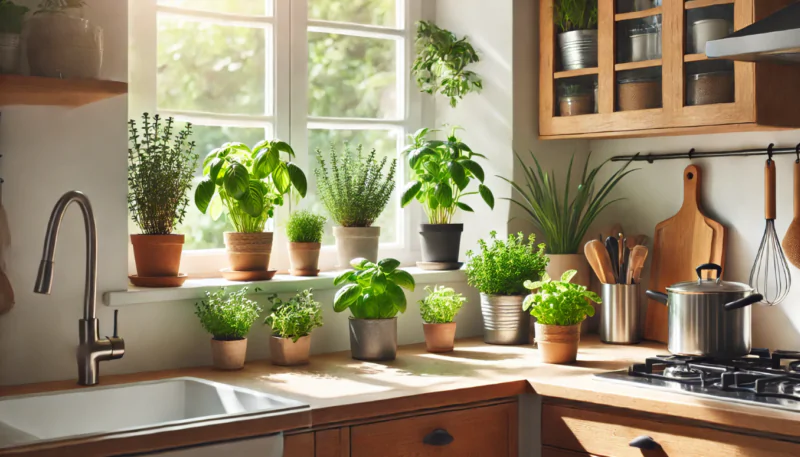 Potted herbs thriving beside a winter kitchen window
📅 Updated on 06/13/2026
Fresh basil in January, mint for iced tea in July, and chives that actually taste like chives all year long—that’s the real payoff when you learn how to grow herbs indoors. The trick is not luck; it’s matching light, water, containers, and plant choice to the conditions inside your home.
Indoor herb gardening is a practical system, not a decoration project. Once you understand how herbs respond to window light, humidity, pruning, and drainage, you can keep a small kitchen garden productive for months instead of watching it collapse after two weeks. This guide breaks down what works, what fails, and why.
Quick Summary
- Most indoor herb problems come from too little light and too much water, not from a lack of “green thumb.”
- Compact herbs like basil, parsley, chives, thyme, mint, and oregano adapt well to indoor containers when they get strong light and regular pruning.
- A south-facing window is often enough for several herbs, but a simple grow light makes results far more consistent in winter.
- The best potting mix for herbs is fast-draining, airy, and not rich in fertilizer; overly fertile soil usually creates weak, leggy growth.
- Indoor herbs last longer when you harvest from the top, rotate the pots weekly, and let the top inch of soil dry before watering again.
How to Grow Herbs Indoors Year-Round Without Losing Flavor or Vigor
To grow herbs indoors year-round, give them four things in the right balance: bright light, drainage, moderate moisture, and frequent harvesting. Indoor herbs are perennial only in some cases, but even annuals like basil can stay productive for a long stretch if you keep them compact, well-lit, and trimmed before they flower.
Choose Herbs That Behave Well Inside
Not every herb makes a good houseplant. Basil, parsley, chives, thyme, oregano, mint, and cilantro are the usual winners because they stay manageable in pots and respond well to repeated cutting. Rosemary can work too, but it is less forgiving indoors because it wants stronger light and drier air than most kitchens provide.
Start With the Right Container and Soil
Use a pot with drainage holes and a saucer, then fill it with a light potting mix rather than garden soil. Garden soil compacts too easily indoors and suffocates roots. A mix designed for containers or herbs lets water move through quickly, which matters more inside than it does outdoors.
Indoors, herbs usually fail from excess water before they fail from neglect; roots need oxygen as much as they need moisture.
That one detail explains a lot. Many people water on a schedule, but herbs do better when you check the soil first. If the top inch feels dry and the pot feels noticeably lighter, it is time to water.
Light Is the Deciding Factor for Strong Indoor Growth
Light is the main variable that separates a thriving windowsill garden from pale, stretchy stems. South-facing windows usually give the best natural light in the Northern Hemisphere, while east- or west-facing windows may be enough for shade-tolerant herbs or seasonal growth. In winter, a University of Minnesota Extension guide on houseplant lights is a useful reference for choosing and placing supplemental lighting.
How Much Light Herbs Really Need
Most culinary herbs want at least 6 hours of strong light daily, and many perform better with 10 to 14 hours under a grow light. Basil and rosemary are light-hungry. Mint and chives tolerate less. If stems lengthen fast, leaves get smaller, and color fades, the plant is asking for more light.
When a Grow Light Makes Sense
A grow light is worth it if your windows are shaded, you live through dark winters, or you want consistent production instead of occasional survival. Full-spectrum LED lights are usually the best practical choice for home growers because they run cool and use less energy than older bulb types. Set them close enough to prevent stretching, but not so close that leaves overheat.
The difference between compact, flavorful herbs and weak, leafy growth usually comes down to light intensity, not pot size.
Watering Herbs Indoors the Right Way
Watering should follow the plant, not the calendar. Most herbs prefer evenly moist soil that is allowed to dry slightly between waterings, and they resent sitting in soggy mix. Consistent overwatering causes root stress, yellowing leaves, and a flat, dull flavor profile.
The Simple Finger Test
Push a finger into the soil about an inch deep. If it feels dry at that level, water thoroughly until excess runs out of the drainage holes. If it still feels cool and damp, wait. That small pause is often the difference between healthy roots and a fungal problem.
Why Kitchens Can Be Tricky
Kitchens often look like the perfect herb spot, but they can be misleading. A warm room near a stove dries pots faster, while low winter humidity and inconsistent window light can create stress. Who works with herbs every day knows this pattern: the plant nearest the sink often gets overwatered, not because the grower is careless, but because convenience creates habit.
For humidity and indoor plant care basics, the Royal Horticultural Society’s indoor herb guidance is a strong general reference, especially if your home air is dry for much of the year.
Pruning and Harvesting Keep Herbs Productive
Pruning is not damage; it is how you turn a few stems into a continuous harvest. Herbs grow from nodes, so when you cut above a pair of leaves, you encourage branching. That creates fuller plants with more usable foliage and delays flowering in many species.
Where to Cut Basil, Mint, and Chives
For basil, pinch just above a leaf pair once the plant has several sets of true leaves. For mint, cut stems back often to keep the plant from becoming long and woody. For chives, snip the outer blades near the base and let the center continue growing.
How Often to Harvest
Harvest little and often instead of taking huge cuts at once. A mature herb plant can usually handle regular trimming if you never remove more than about one-third of the plant in a single session. This keeps growth active and helps flavor stay concentrated.
Mini-story: A common failure case is the “windowsill basil rescue.” Someone buys a supermarket basil pot, sets it on a bright counter, and waters it every day because the leaves droop by evening. In a week, the stems yellow and collapse. The fix is almost never more water. It is separation into smaller plants, better drainage, stronger light, and a first round of pruning so the plant can branch instead of starving itself.
Feeding, Airflow, and Temperature Matter More Than Most People Think
Indoor herbs do not need heavy feeding. In fact, too much fertilizer often gives you large leaves with weak aroma. A light, diluted, balanced fertilizer used sparingly during active growth is enough for most home setups. Basil and parsley may appreciate slightly more feeding than thyme or oregano, which prefer leaner conditions.
Air Movement Prevents Weak Stems
Good airflow helps herbs stay sturdy and reduces the chance of mildew. A small circulating fan on low can help if your indoor space is still and humid. You do not need a wind tunnel; you just need enough movement to keep stems from becoming soft and disease-prone.
Keep the Temperature Stable
Most culinary herbs are happiest in typical indoor temperatures, roughly 65 to 75°F during the day. Sudden cold drafts from a window or hot blasts from a vent can stress the plants. Basil dislikes chill more than most herbs, while thyme and oregano are usually a little tougher.
Feeding herbs heavily is a bad trade: you get faster growth for a short time, then weaker aroma and more pruning problems later.
Fixing Common Problems Before They Spread
Most indoor herb issues have a visible pattern, and once you spot it, the fix is usually straightforward. Yellow leaves point to water stress or poor drainage. Long, thin stems point to low light. Brown leaf tips often suggest dry air, inconsistent watering, or salt buildup from fertilizer.
What Pests Show Up Indoors
Aphids, fungus gnats, and spider mites are the usual indoor pests. Aphids cluster on tender growth, fungus gnats appear when the soil stays too wet, and spider mites thrive in dry indoor air. Catching them early matters because a small infestation is much easier to treat than a plant-wide spread.
When a Herb Should Be Replaced
Some plants reach a point where rescue is not efficient. Annual basil that has bolted and turned woody usually tastes worse even if it survives. If a plant is severely root-bound, consistently yellow, and no longer producing healthy new growth after corrections, replacing it is often the smarter move.
For disease and pest identification, Illinois Extension’s houseplant pest resources are practical and easy to apply at home.
A Simple Indoor Herb Setup That Actually Works
A reliable setup does not need to be fancy. A bright window or LED grow light, six- to eight-inch pots with drainage, a light potting mix, and a watering routine based on soil dryness will outperform most “decorative” herb arrangements. If you want the lowest-maintenance version, start with chives, mint, and thyme, then add basil once you are confident about light.
| Herb | Light | Water | Indoor Difficulty |
|---|---|---|---|
| Basil | High | Even moisture | Moderate |
| Mint | Medium to high | Moderate | Easy |
| Chives | Medium to high | Moderate | Easy |
| Thyme | High | On the dry side | Moderate |
| Rosemary | Very high | Let dry more | Challenging |
What to Do Next for a Reliable Year-Round Herb Garden
The smartest next step is to start small and measure results instead of building a crowded windowsill all at once. Pick two or three herbs that match your light, set them in proper containers, and watch how fast the soil dries over a full week. That tells you more than any generic care label.
If you want the fastest path to success, begin with herbs that forgive mistakes, then add the more demanding ones once your light and watering routine are steady. In practice, the goal is not to keep every herb alive forever; it is to create a repeatable system that gives you fresh cuts when you need them. Start there, and expand only after the first pots are thriving.
Frequently Asked Questions
Which herbs are easiest to grow indoors?
Mint, chives, basil, and thyme are among the easiest herbs for indoor growing. They adapt well to containers and respond to regular harvesting. Rosemary and cilantro are more sensitive and usually need stronger light or more precise care.
Do indoor herbs need direct sunlight?
Most indoor herbs do best with direct sun or a strong grow light. A south-facing window is often the best natural option. If the plant stretches toward the glass or looks pale, it is not getting enough light.
How often should I water indoor herbs?
Water when the top inch of soil feels dry, not on a fixed schedule. Some homes dry out pots quickly, while others stay humid and need less frequent watering. The pot size, soil mix, and light level all change the timing.
Why do my indoor herbs keep dying?
The most common reasons are poor drainage, too little light, and overwatering. Herbs sold in small grocery-store pots often decline because several plants are overcrowded in one container. Splitting them up and repotting into a looser mix usually helps.
Can I grow herbs indoors without a grow light?
Yes, if you have strong natural light from a bright window. The best candidates are herbs that tolerate slightly lower light, such as mint and chives. In darker homes or winter months, a grow light makes the setup far more reliable.
Should I fertilize indoor herbs?
Yes, but lightly. A diluted fertilizer during active growth is usually enough. Too much fertilizer can reduce flavor and create soft, weak growth.