
Ikaria Lean Belly Juice Review: Ingredients and Safety
Analysis of Ikaria Lean Belly Juice focusing on ingredient transparency, product labeling, and the lack of verified weight-loss evidence for informed purchas…
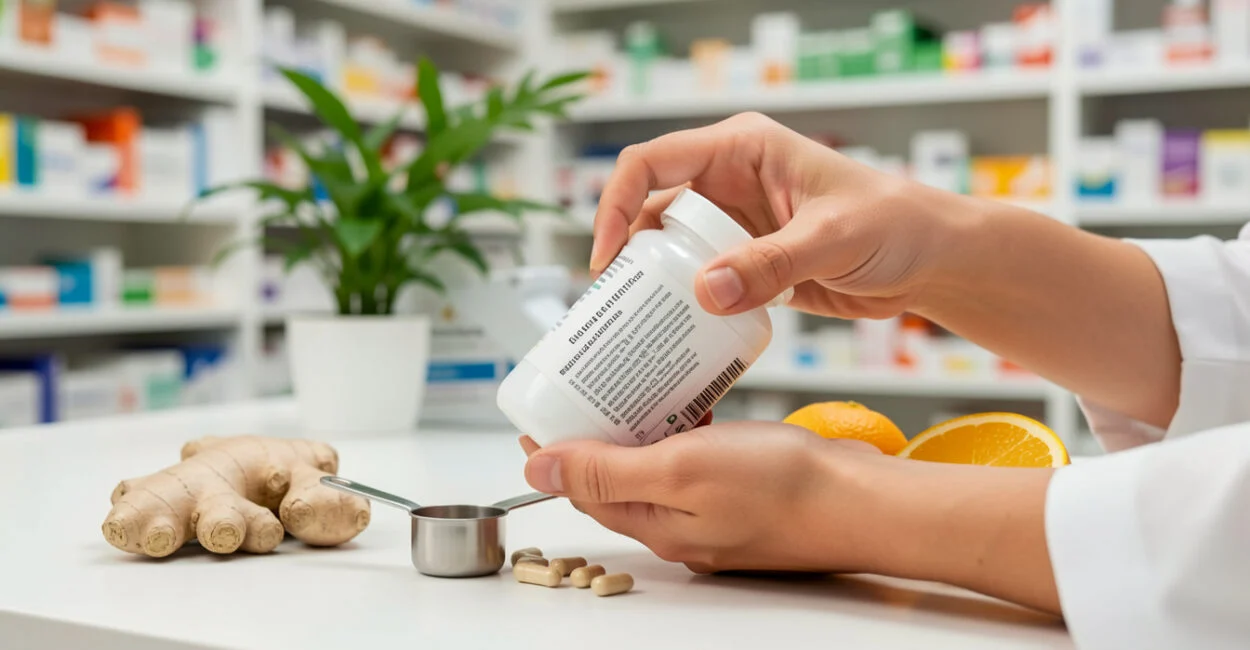 Checking a supplement label and ingredients
A supplement label can look reassuring while leaving the most useful details unanswered: the amount of each ingredient, the evidence for the finished formula, and who should avoid it. Ikaria Lean Belly Juice is marketed for weight management, but it should be evaluated as a dietary supplement, not a proven weight-loss treatment. The current formula and its effects cannot be confirmed here without a verifiable label and product-specific clinical evidence.
That distinction matters when comparing Ikaria Lean Belly Juice reviews or deciding whether to buy. Research on an ingredient, even when it exists, does not establish that a particular blend works at the amounts in its serving.
Use the checks below to assess the product you are actually offered. If its seller cannot provide a complete, legible label and clear refund terms, treat that as a reason to pause.
Quick Facts
- Product type: Dietary supplement marketed for weight management.
- Format: Powder; confirm the serving instructions on the package you receive.
- Evidence status: A product-specific weight-loss effect is not established here.
- Ingredient amounts: Must be checked on the current product label.
- Regulatory context: In the United States, dietary supplements are not FDA-approved for safety and effectiveness before they are marketed.
Ikaria Lean Belly Juice Review: The Bottom Line
Ikaria Lean Belly Juice is a dietary supplement sold for weight management, but available information here does not establish that the finished product produces weight loss. A responsible buying decision depends on the current Supplement Facts panel, ingredient amounts, safety fit, seller identity, and refund terms. Ingredient research can inform questions; it cannot substitute for a clinical trial of this exact formula.
That is a cautious verdict, not proof that the product is ineffective. The limitation is specific: without a verified current label and credible product-specific trials, it is not possible to confirm what a buyer will receive or predict a result.
A supplement’s weight-loss claim is only as useful as the evidence for its exact formula and dose.
What the Product is and What a Label Can Confirm
A dietary supplement is a product intended to supplement the diet, such as one containing dietary ingredients in a powder, capsule, or liquid. In everyday terms, this means it is not automatically a medication with established treatment effects. The product is marketed as a drink mix for weight management; that marketing purpose does not confirm a physiological effect.
The package—not an advert, affiliate page, or generic review—should identify the serving size, full ingredient list, amounts per serving, manufacturer or distributor, and directions. A proprietary blend may disclose ingredients while withholding their individual quantities, which makes it harder to compare the formula with research or assess exposure.
The NIH Office of Dietary Supplements’ guide to dietary supplements explains how supplements differ from drugs and what consumers should consider. FDA also notes that supplement makers are responsible for product safety and labeling before sale, while the agency can take action against products that violate applicable requirements.

Ingredients: What Can Be Verified and What Research Can Tell You
A trustworthy ingredient review starts with the current package. No current, independently verifiable Supplement Facts panel is available for this assessment, so listing specific ingredients or doses as confirmed would risk misleading readers. If a seller’s page and the bottle disagree, the bottle’s lot-specific label is the more relevant document to inspect, though it does not independently prove purity or effectiveness.
What to check What it can tell you What it cannot establish Ingredient name and plant part, where applicable What the product claims to contain That the ingredient is present in the stated amount or has been tested independently Amount per serving How much the label says is in a serving That this dose causes weight loss or matches a research protocol Proprietary blend disclosure Which ingredients the blend lists Each ingredient’s individual dose when amounts are withheld Warnings and directions What the maker advises about use That the product is safe for every user or compatible with every medication
Garcinia cambogia is sometimes raised in searches such as “garcinia for weight loss” or “garcinia reddit,” but it should not be assumed to be in this product unless the actual label says so. The National Center for Complementary and Integrative Health’s garcinia cambogia fact sheet describes evidence and safety concerns for that ingredient; it is not evidence about this finished supplement.
For a separate supplement review, the same distinction applies to products such as Mitolyn: evaluate the label and product-specific evidence rather than transferring conclusions from one formula to another.
Does the Formula Support Weight Loss?
No reliable product-specific evidence is established here that this formula causes weight loss. A study of one ingredient cannot show that a multi-ingredient product works, because the finished product may use a different dose, combination, or preparation. The evidence would need to match the product and measure meaningful outcomes in people using it.
There is no dependable timeline for noticing a change. Claims that users will see results after a set number of days should be treated skeptically unless supported by well-designed trials of the exact formula. Individual weight changes also vary with food intake, activity, sleep, health conditions, medications, and ordinary fluctuations in body water.
It cannot replace dietary changes or physical activity. A supplement may be convenient to take, but convenience does not make it a substitute for habits that support health over time; if a person has a medical condition or a history of disordered eating, weight-management plans should be discussed with a qualified clinician.
There is no evidence-based countdown for results from a formula that lacks product-specific clinical evidence.

Safety, Side Effects, and When to Ask a Clinician
Safety depends on the exact ingredients, their doses, product quality, health conditions, and other substances a person takes. Without a confirmed label, it is not possible to give a reliable product-specific side-effect profile. Stop and seek appropriate medical advice if you experience a serious or unexpected reaction.
Ask a clinician or pharmacist before using a weight-management supplement if you are pregnant or breastfeeding, have a chronic condition, take prescription or over-the-counter medicines, or plan to give it to a child. This is particularly important when the label includes ingredients that may affect blood sugar, blood pressure, bleeding risk, or liver function. Do not stop prescribed medication to take a supplement.
The FDA’s information on dietary supplements explains how to report a suspected adverse event and why supplement oversight differs from drug approval. The FDA does not approve supplements for safety and effectiveness before they reach the market.
Buying Considerations: Verify the Seller, Label, and Refund Terms
Before purchasing, check the exact product listing and the package it promises to ship. Search results for “good belly juice,” “lean drops review,” or “lean weight loss reviews” may refer to different products or unrelated promotions. Similar names and formats do not make products equivalent.
- Seller: Identify the business taking payment and check that its contact and order details are consistent across the checkout page and receipt.
- Label: Look for a clear, current image of the Supplement Facts panel, serving directions, warnings, and full ingredient amounts. Ask the seller for a lot-specific label if the listing is incomplete.
- Claims: Be wary of guaranteed fat loss, rapid belly-fat reduction, detox promises, or claims that imply FDA approval.
- Refund terms: Read the policy before ordering. Confirm the deadline, return address, condition requirements, shipping costs, and whether recurring shipments are involved.
- Reviews: Look for specific details about the purchase and product, not just dramatic outcomes. Check for repeated wording, unclear affiliations, and whether the reviewer discusses the actual label or only marketing claims.
For “ikaria lean belly juice Amazon,” confirm that a listing is genuinely available at the time of purchase and verify the seller shown on that listing. Availability can change, and a marketplace listing alone does not establish authenticity or validate health claims.
A practical example: someone comparing two listings notices that one shows a full Supplement Facts panel and the other uses only a promotional ingredient graphic. The next step is to request the missing label and compare it with the bottle’s directions and warnings. If the seller cannot supply it, choosing neither listing is a reasonable decision.
Next Steps Before You Decide
First, obtain the current label and read the amounts, warnings, and serving directions. Then check any listed ingredients against reliable sources and ask a pharmacist or clinician about possible interactions if you take medication or have a health condition. If the seller cannot document what is in the product or how refunds work, do not rely on promotional copy to fill the gaps.
Homemade flat belly juice recipes are not equivalent to this supplement, and neither a recipe nor a branded powder can guarantee targeted fat loss. Base a purchase decision on verifiable product information and realistic expectations, not a promised timeline.
📱 See this content as a Web Story
Frequently Asked Questions
Can I Use This Powder in a Smoothie Instead of Water?
Follow the package directions for the product you have. Changing how you take it may affect taste or serving accuracy, but it does not make the supplement more effective.
Are Online Reviews Enough to Tell Whether the Product is Authentic?
No. Reviews can describe customer experiences, but they cannot verify the contents of your bottle or establish that the formula causes weight loss. Check the seller, packaging, lot details, and label directly.
What Does a Proprietary Blend Mean?
It is a group of ingredients listed together, sometimes without the amount of each individual ingredient. That limits dose comparisons and makes it harder to assess whether the formula resembles research on any one ingredient.
Is a Third-Party Quality Seal Proof That It Works?
No. A credible third-party certification may provide information about quality testing or manufacturing standards, depending on the program. It does not prove that a supplement produces weight loss.
Can I Combine It with Another Weight-Loss Supplement?
Do not assume that combining products is safe. Ingredients can overlap or interact, so show both labels to a clinician or pharmacist before using them together.