
How to Harden Off Seedlings Before Moving Them Outdoors
How to gradually expose healthy indoor seedlings to outdoor light, wind, and temperature changes, with timing and care based on plant type and local weather …
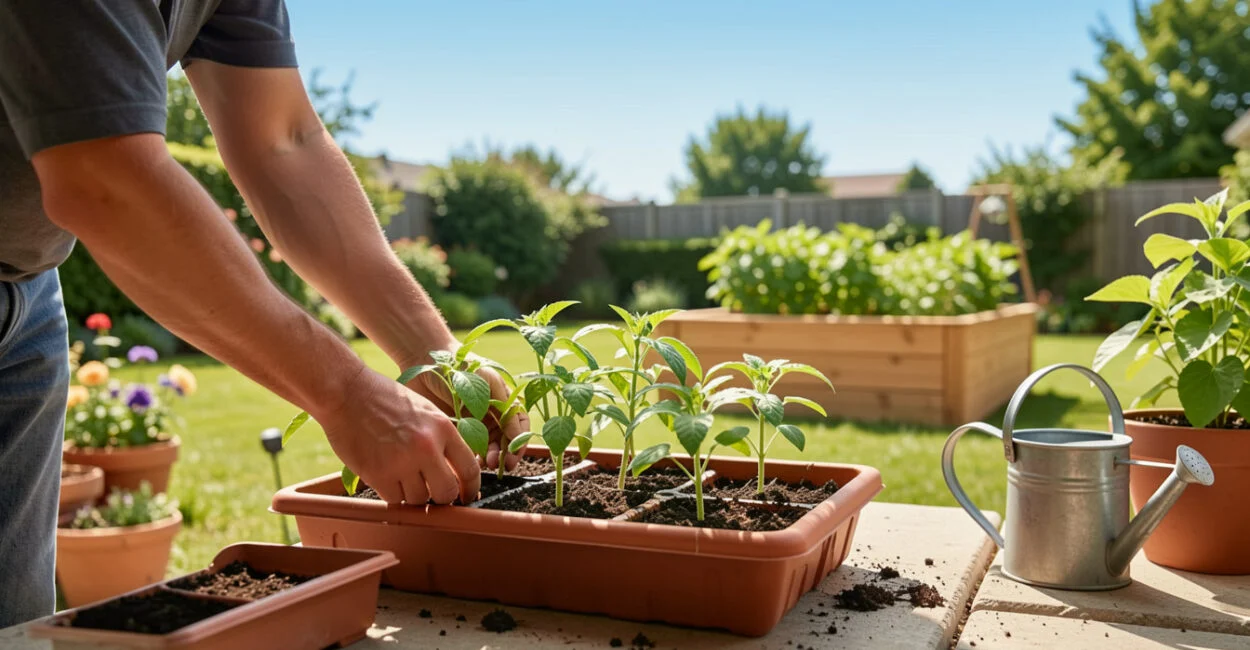 Seedlings adjusting to outdoor conditions
A seedling can look sturdy on a sunny windowsill and still scorch after a few hours outside. To harden off seedlings, gradually expose them to outdoor light, wind, and temperature changes over about a week or two before transplanting. Start when plants are healthy and local conditions are suitable, then slow down if they show stress.
Indoor-grown plants have had protection from direct sun, moving air, and temperature swings. A gradual transition helps them adjust before they face those conditions all day in a garden bed, container, or raised bed.
The right pace depends on the plant and the forecast. Tender crops such as tomatoes and peppers need protection from cold, while some cool-season seedlings tolerate a less sheltered transition.
Before You Begin
- Check that seedlings are healthy and growing actively.
- Look up your area’s expected last frost and the forecast for the coming week.
- Choose a sheltered outdoor spot with shade nearby.
- Have a way to bring trays indoors or cover them if conditions turn cold or windy.
1. What It Means to Harden Off Seedlings
Hardening off seedlings is the gradual acclimation of indoor- or greenhouse-grown plants to outdoor conditions before transplanting. It gives leaves and stems time to adjust to stronger sunlight, airflow, and changing temperatures. In plain terms, it is a staged introduction to the weather the plants will meet in the garden, rather than an abrupt move from indoors to full exposure.
Sunlight through a window is not a reliable substitute for direct outdoor sun, and indoor air usually moves less than garden air. A sudden change can leave leaves bleached or scorched, stems bent by wind, or plants wilted as they lose water faster than their roots can replace it. The Royal Horticultural Society’s guidance on hardening off tender plants also emphasizes a gradual transition and protection from harsh conditions.
2. Choose When to Start
Begin when seedlings are established and healthy, and when the forecast allows several days of mild conditions. Check your local frost risk and the crop’s cold tolerance before setting a start date: tomatoes and peppers are tender, while many cool-season crops can cope with cooler weather. If frost is forecast or strong winds are expected, wait or keep the plants protected.
Seedlings should have roots that hold their potting mix together, but they do not need to be root-bound. Avoid starting the process when plants are already struggling from dry soil, disease, or recent repotting. The University of Minnesota Extension’s seed-starting guidance offers useful context for moving indoor-grown plants toward outdoor growing conditions.
There is no single temperature cutoff that works for every crop and region. Use the plant’s cold sensitivity, local frost information, and the actual forecast together; a warm afternoon does not make a cold night safe for tender seedlings.
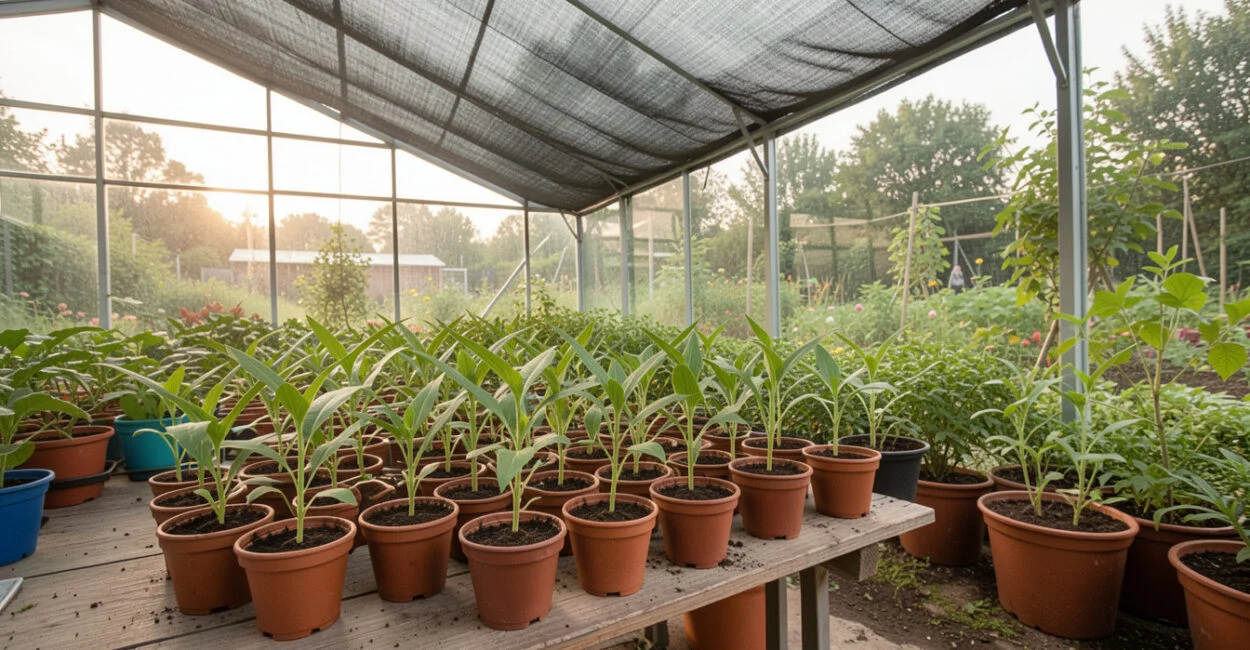
3. Follow a Flexible Hardening-Off Schedule
A common hardening-off schedule takes about 7 to 14 days, but treat that as a starting range, not a deadline. Add exposure in small steps, and repeat a day or return to an earlier stage if leaves wilt, bleach, or suffer cold damage. Healthy seedlings should remain upright and show no worsening injury as their time outdoors increases.
Stage Outdoor exposure Conditions and next step Days 1–2 1–2 hours Place in bright shade, sheltered from wind; bring plants inside afterward. Days 3–4 3–4 hours Keep them in shade or gentle morning sun, with protection from strong gusts. Days 5–6 5–6 hours Increase morning sun and allow some light airflow; avoid harsh midday sun. Days 7–10 Most of the day Gradually add more direct sun if the crop will grow in a sunny spot. Later days, if needed All day, then overnight only if safe Leave plants out overnight only when temperatures suit the crop and frost is not expected.
For example, if seedlings receive one hour of outdoor exposure on Monday and look normal afterward, try two or three hours on Tuesday. If they wilt or develop pale patches, bring them into shade and repeat the shorter exposure once they recover. A slow, steady progression is more useful than sticking to the calendar.
4. Pick a Sheltered Spot and Increase Exposure
Start near a wall, porch, or other windbreak where you can provide shade and reach the plants quickly. A covered patio can work well, but avoid spots that trap intense heat. Move trays gradually into brighter light and more open air, matching the exposure the seedlings will receive after planting.
Yes, seedlings can be hardened off on a balcony or without a garden. Use a stable, shaded corner away from strong rail-level gusts, and bring plants indoors when the forecast calls for unsafe conditions. If your destination is a raised bed, use the transition to plan the final layout, then check raised-bed spacing for vegetables before planting.
5. Adjust Watering and Check Plant Condition
Check the potting mix before each outdoor session. Small cells and pots can dry quickly in sun or wind, but constantly saturated mix leaves roots short of air. Water when the mix is beginning to dry, and make sure excess water can drain.
- Look for drooping leaves, bleached patches, crispy edges, or stems leaning in the wind.
- Check the forecast before leaving trays outside for longer periods.
- Keep labels with the plants and avoid stacking trays where airflow is blocked.
- After moving seedlings, inspect them again before increasing sun or wind exposure.
Cloudy weather can be a useful starting point because sunlight is gentler, but seedlings still need gradual exposure to brighter conditions if they will grow in full sun. Rain is also manageable when it is light and temperatures are mild. Heavy rain, cold rain, or a storm can flatten seedlings or saturate small pots, so move them under cover.
6. Respond to Wilting, Scorch, Cold, or Bad Weather
If seedlings wilt during hardening off, move them to shade and shelter, then check whether the potting mix is dry. Water if it needs it, and wait for the plants to recover before trying again with a shorter, gentler session. Wilting can also follow heat or wind stress even when the soil is moist, so more water is not always the answer.
Brown or bleached areas on leaves usually signal sun injury. Keep affected plants out of strong sun while new growth develops, then restart at an earlier stage. Cold damage may cause limp, darkened, or water-soaked tissue; bring plants inside and do not leave tender crops out again until conditions are suitable.
Bad weather is a reason to pause, not to rush through the remaining days. Keep plants in a bright, protected place and resume with the last exposure they handled well. Iowa State University Extension and Outreach provides further guidance on hardening off plants before they go outdoors.
7. Transplant Seedlings When Conditions Are Suitable
Transplant after seedlings tolerate a full day outdoors and the expected weather suits the crop. For tender vegetables, wait until frost danger has passed and nights are warm enough for that plant; cool-season crops can often be planted earlier. If the forecast turns poor, keep the seedlings protected rather than treating the planned transplant date as fixed.
Plant on a mild, calm day, preferably when direct sun is less intense. Water the seedlings and planting area as needed, handle plants by the root ball rather than the stem, and water them in after planting. A temporary cover can buffer wind or a cool night, but remove or vent it as conditions require.
Once the seedlings are established, choose crops that suit your space and growing conditions. This list of vegetables for raised beds in small gardens can help narrow down what to plant.
📱 See this content as a Web Story
Frequently Asked Questions
Should Seedlings Be Brought Indoors Overnight During Hardening Off?
Usually, yes, especially during the early days or for tender crops. Leave them out overnight only after they have adjusted to daytime conditions and the forecast is safe for that plant.
Can I Harden Off Seedlings Entirely Indoors Near an Open Window?
An open window may provide some airflow, but it does not reproduce outdoor sun, wind, or temperature changes. Use it only as a preliminary step, then introduce seedlings to protected outdoor conditions.
Do Seedlings Need Fertilizer During the Transition?
Hardening off itself does not call for extra fertilizer. Keep care steady and avoid pushing tender growth with a heavy feeding just before transplanting.
Should I Remove Damaged Leaves Before Planting?
Wait until you can tell which leaves are truly dead. Remove badly damaged foliage with clean scissors if it is not recovering, but leave healthy leaves in place to support growth.
Can I Harden Off Seedlings in a Cold Frame?
Yes, if you ventilate it and increase exposure gradually. A cold frame can shelter seedlings from wind, but it can heat up quickly in sun, so check its temperature and open it as needed.