
How to Reduce Microplastic Shedding When Doing Laundry
How to reduce laundry microplastics: wash synthetics less often and gently, avoid overloading, and use filters or laundry bags to capture released fibers eff…
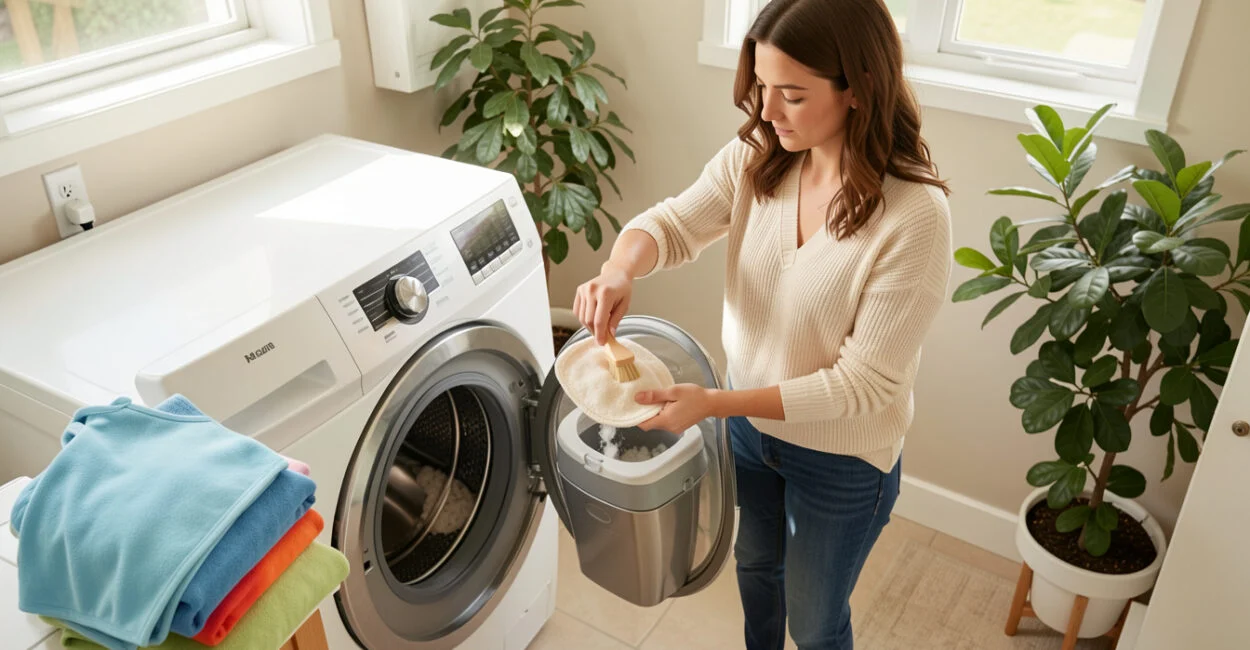 Cleaning a washer’s microfiber filter
A synthetic fleece can shed fibers in the wash even when it looks perfectly intact. To reduce laundry microplastics, wash synthetic items less often and more gently, avoid overloading the machine, and capture fibers with a properly maintained filter or laundry bag. These steps can lower releases, but none stops shedding completely.
Microfibers are tiny fibers released from textiles; when they come from plastic-based materials such as polyester or nylon, they count as microplastics. The most useful approach combines prevention, which limits fiber release, with capture, which keeps some released fibers out of wastewater.
The trade-off matters: gentler washing can reduce wear, while capture devices add maintenance and still miss some fibers. Here’s how to choose changes that fit your clothes and washing machine.
Quick Facts
- Highest-priority change: Wash synthetic garments only when they need cleaning.
- Washing approach: Use a full but not tightly packed load and a gentle cycle when care labels allow.
- Capture options: External filters and laundry bags collect some released fibers; neither captures all of them.
- Drying: Line-drying avoids tumble-dryer lint, but it does not prevent fibers released during washing.
- Disposal: Put collected lint and fibers in the trash, following local waste guidance; don’t rinse them away.
How to Reduce Laundry Microplastics: Start with These Changes
To reduce microplastic shedding from clothes, first wash synthetic garments less often, then use a gentle cycle with a full, loosely packed load. Add a washing-machine filter or a purpose-made laundry bag if you can maintain it, and dispose of captured fibers with household trash according to local guidance. Each measure helps in a different way, and none eliminates shedding.
The distinction is straightforward: washing choices can limit abrasion and fiber release, while filters and bags capture part of what gets released. The European Environment Agency’s report on microplastics from textiles discusses textile shedding as part of a broader life-cycle problem, not a problem with one household fix.
- Before washing: Check whether a garment actually needs a full wash; air it out or spot-clean when appropriate.
- During washing: Choose a cooler, shorter, gentler cycle if the care label permits, and avoid packing clothes tightly.
- For capture: Consider a machine filter if it fits your setup and you’ll clean it as directed. Use a laundry bag for suitable items you can fit inside without compressing them.
- After washing: Collect lint and filter residue for disposal instead of rinsing it into a drain.
Start with the changes that require no new equipment. If synthetic laundry is a regular part of your household, then compare capture options based on your washer type, installation rules, and willingness to clean the device.
Choose and Care for Clothing to Limit Fiber Shedding
Fiber shedding depends on more than whether a garment is natural or synthetic. Fabric construction, yarn, finishing, age, and wear all matter, so a label alone cannot tell you how much a particular item will shed. The International Union for Conservation of Nature’s report on primary microplastics in the oceans identifies synthetic textiles as one source of microplastic pollution; the pathways and amounts vary.
When buying clothes, favor well-made items you expect to wear for a long time. Choosing a natural fiber can avoid plastic-based textile fibers, but natural textiles are not impact-free: they can release fibers too, and their overall footprint depends on how they are produced, used, and cared for. For more on one common material choice, see these organic cotton basics.
For clothes already in your closet, extend their useful life. Repair a loose seam before it unravels in the washer, follow the care label, and avoid unnecessary washing. Sweat, stains, and odor still call for cleaning; the aim is to skip washes that serve no real purpose, not to wear dirty clothes indefinitely.
A fleece worn briefly around the house may only need airing, while workout clothing often needs washing after use. Spot-cleaning a small mark can also spare an entire garment a wash. These are judgment calls: fabric, activity, skin sensitivity, and household needs all count.
Wash Synthetic Clothes More Gently
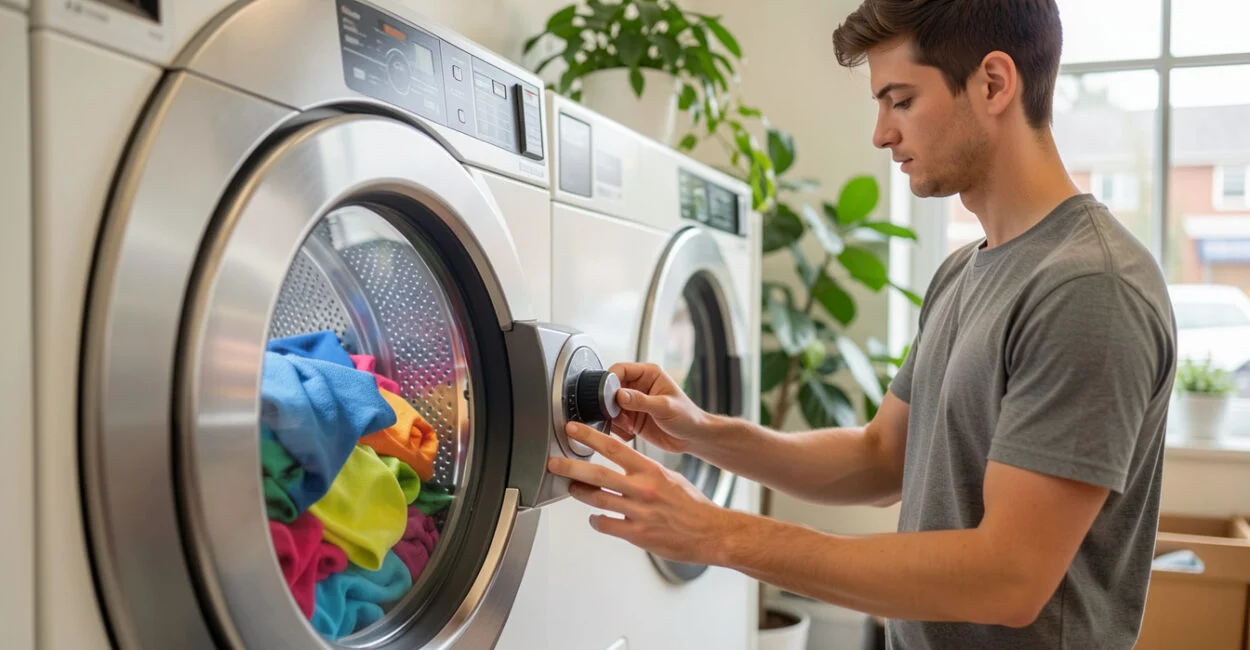
Cooler water can help reduce energy use, but evidence does not support treating cold water as a guaranteed way to stop microfiber release. Temperature is only one part of the wash. Mechanical action, cycle duration, load size, fabric, and the machine itself can also affect fiber release.
Setting or choice Potential benefit Trade-off or limit Cool water Uses less energy for heating and may be suitable for many everyday loads. Does not prevent shedding; some soils and care instructions may call for warmer water. Shorter cycle Can reduce the time clothes spend tumbling and rubbing together. May not clean heavily soiled items well enough. Gentle cycle Typically uses less vigorous mechanical action. Cycle names and actual motion vary by machine; check whether the garment gets clean. Full, loosely packed load Can reduce unnecessary washing while leaving room for clothes to move. An overstuffed drum can prevent proper cleaning and rinsing. High-speed spin Removes more water before drying. Can add mechanical stress; use a lower spin when practical and allowed by the care label.
A useful rule: adjust the cycle to the garment and the soil, not just the goal of using less water. For a lightly worn synthetic top, a short gentle wash may be enough. For sweaty or stained clothes, choose a cycle that cleans them properly rather than re-washing them because the first attempt was too mild.
One common mistake is filling the drum until clothes barely move. A packed load can rub garments together and may clean poorly; it also makes it harder to judge whether a gentler cycle is working. Leave room for movement, but don’t run tiny loads by default.
Use a Washing-Machine Filter or Fiber-Catching Device
A washing-machine filter can capture some microfibers from laundry wastewater before that water leaves the home, but it cannot remove every fiber released in a wash. Its performance depends on the filter design, installation, maintenance, and the machine’s drainage setup. Read the manufacturer’s instructions before fitting an external filter, especially if you rent or your washer is under warranty.
Are Laundry Bags Effective at Catching Microfibers?
Laundry bags made for microfiber capture can retain some fibers from the garments placed inside them. They are most useful when the relevant items fit comfortably and can still move; overstuffing a bag may interfere with cleaning. A bag also protects only the items inside it, not the rest of the load.
When comparing capture devices, check what they are designed to collect, how the collected fibers are removed, and whether replacement parts are needed. Don’t assume that a product marketed as a microfiber catcher has been tested under conditions that match your washer and laundry. If a bag or filter is inconvenient to empty, it may not be a realistic long-term choice.
Dry Clothes Without Sending Lint Down the Drain
Line-drying avoids tumble-dryer lint, but it does not prevent fibers already released during washing from entering wastewater. Nor does it prove that a garment releases no fibers as it dries. Its clearest benefit for this issue is that it avoids collecting additional dryer lint that must be handled.
If you use a tumble dryer, clean the lint screen as directed and put the lint in household trash rather than washing it down a sink. Dryer lint contains a mix of textile fibers and household dust; its exact composition depends on the load. Keep lint out of compost unless your local program specifically accepts it.
Line-drying can also be a practical way to reduce dryer use, but it may not suit every garment, climate, or living space. Choose drying methods based on care labels and household needs, and treat lint handling as one part of pollution prevention rather than a substitute for gentler washing.
Dispose of Captured Microfibers Safely
Put lint and fibers collected from a filter or laundry bag in the trash, following local waste instructions, and do not rinse them into a sink or toilet. Rinsing moves the material into wastewater, where household treatment may capture some fibers but cannot be assumed to remove all of them.
For a filter, follow its cleaning instructions over a bin or other surface that makes it easy to gather the residue. For a laundry bag, turn it inside out and remove the accumulated fibers without shaking them into the air or washing them off outdoors. If a local waste authority gives specific disposal guidance, follow that guidance.
The United Nations Environment Programme’s global assessment of marine litter and plastic pollution describes plastic pollution as a broad environmental challenge. Household capture can help contain some laundry fibers, but it is only one piece of the response.
Preventing unnecessary wear reduces the fibers a wash can release; capture devices can only collect part of what escapes.
What Laundry Changes Make the Biggest Difference?
Start by changing how often you wash synthetic items, then choose a cycle that cleans them without unnecessary abrasion. If you want added capture, select a filter or bag you can maintain consistently. Results vary with the textile, its condition, the washer, and the device, so avoid treating any one setting or product as a complete solution.
For a household already trying to make lower-impact choices, these laundry steps can sit alongside broader sustainable living habits for beginners. Pick one change you can keep: skip an unnecessary wash this week, or check whether a compatible filter is practical for your machine. Keep following garment care labels and local disposal rules.
📱 See this content as a Web Story
Frequently Asked Questions
Can a Microfiber Filter Be Installed on Any Washing Machine?
No. Compatibility depends on the washer’s drain arrangement and the filter’s installation requirements. Check the appliance manual and filter instructions before buying or fitting one.
Can I Reuse a Laundry Bag After Collecting Fibers?
Yes. Remove the fibers according to the bag maker’s directions, dispose of them with household trash in line with local guidance, and let the bag dry if the instructions call for it. Replace the bag if the mesh or seams become damaged.
Should Natural-Fiber Clothes Go in a Microfiber-Catching Bag?
A purpose-made capture bag may collect fibers from different garments, but its main role is not limited to synthetic clothes. Natural textiles can shed fibers too; whether to use a bag depends on its design, the garment’s fit, and your washing routine.