
How to Reduce Water Use at Home Without Major Renovations
How to reduce water use at home by starting with a quick audit: check leaks, compare bills, and focus on fixes that target your household’s main water waste.
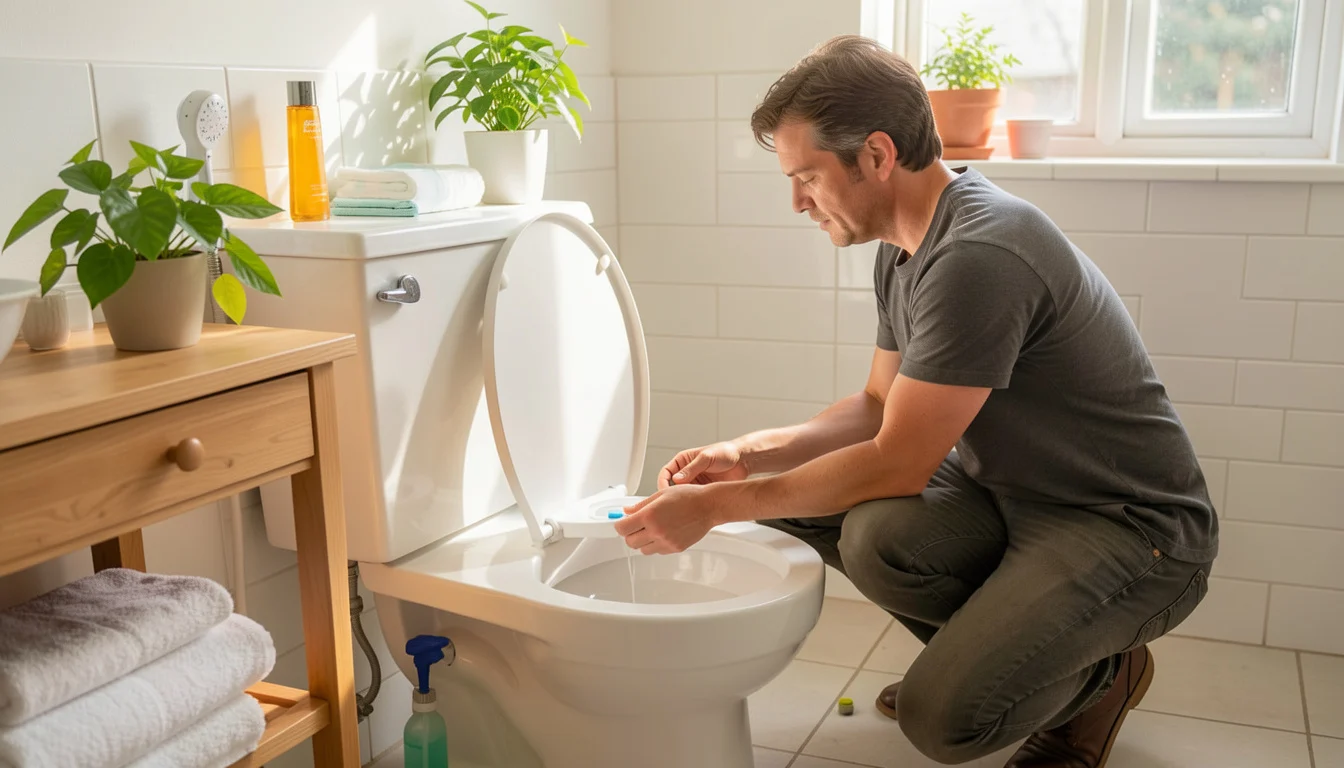 Checking for a hidden toilet leak
A toilet that keeps refilling can waste water around the clock, while a shorter shower only helps if the showerhead’s flow rate is reasonable. To reduce water use at home, start by checking for leaks and reading your water bill, then focus on daily habits and low-cost fixes that match how your household actually uses water.
The biggest opportunity differs from home to home. A household with a thirsty lawn should look at irrigation first; one with an older toilet or a dripping fixture may get more from indoor repairs.
How Can You Reduce Water Use at Home, Starting with a Quick Audit?
Start by comparing your water bills, checking the meter for unexplained use, and inspecting toilets and faucets for leaks. Then choose changes that address the largest sources in your home. This approach is more useful than adopting a long list of small tips without checking whether they fit your household.
Read your meter when no one is using water, wait for a period without running taps, flushing toilets, or using appliances, then check it again. If the reading changes, something may be drawing water; first rule out automatic irrigation, water softeners, and other equipment that may run on a schedule.
Look at bills over several billing periods and compare similar seasons when possible. A summer increase may reflect outdoor watering, while a sudden change at another time of year can point to a leak or a change in household routines. Your utility may offer a leak alert or an online usage graph.
For toilets, add a few drops of food coloring to the tank without flushing. If color reaches the bowl, the flapper or another tank component may be leaking. The EPA WaterSense leak-check guidance explains additional ways to find common household leaks.
What Daily Habits Save Water in the Bathroom, Kitchen, and Laundry Room?
Use water only when a task needs it: turn off the tap while brushing your teeth, run the dishwasher and washer with full loads, and avoid letting water run while you rinse or prepare food. These habits are inexpensive, but their impact depends on how often your household does each task.
- Bathroom: Keep showers purposeful and turn off the faucet while brushing or shaving.
- Kitchen: Scrape food into the trash or compost rather than rinsing it into the sink. Use a basin for hand-washing dishes instead of letting the tap run.
- Laundry: Match the load-size setting to the amount of clothing, and use a full load when practical.
A dishwasher’s efficient cycle can use less water than hand-washing a comparable full load, but the result depends on the machine, cycle, and how dishes are washed by hand. Pre-rinsing dishes under a running tap often adds water without helping a modern dishwasher clean them.
For related household changes that can lower energy use, see these energy-saving home habits. Heating water also uses energy, so shorter showers can reduce both water use and the energy needed to heat that water.
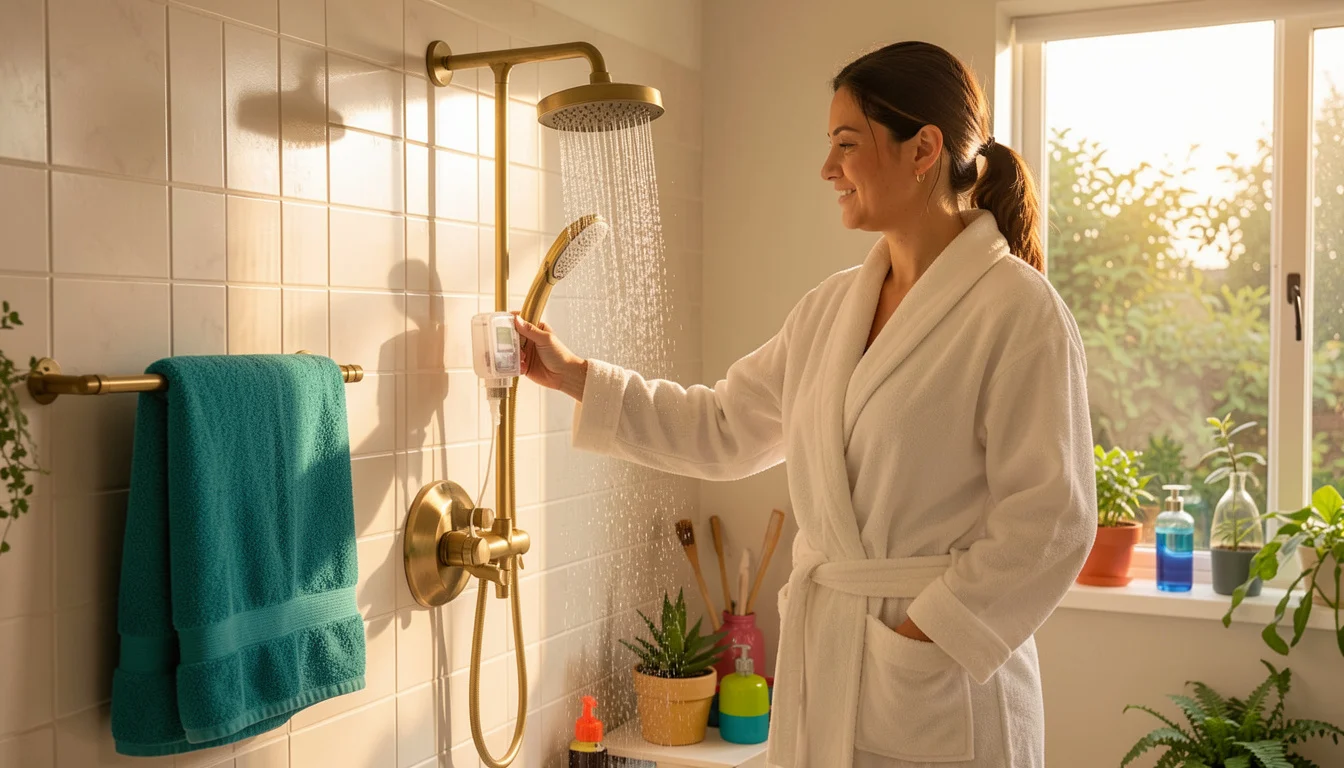
How Much Water Does a 10-Minute Shower Use?
A 10-minute shower uses the showerhead’s flow rate multiplied by 10 minutes: at 2 gallons per minute, that is 20 gallons; at 2.5 gallons per minute, it is 25 gallons. Actual use depends on the fixture, water pressure, and whether the shower runs continuously.
Check the flow rate on the showerhead packaging or measure it by timing how long the fixture takes to fill a container of known volume. A shorter shower reduces use in direct proportion to the time saved if the flow rate stays the same. WaterSense-labeled showerheads are independently certified to meet water-efficiency and performance criteria; check the EPA’s showerhead guidance when comparing models.
For showers, the simplest estimate is flow rate multiplied by minutes, so both the fixture and the time spent under it matter.
What Uses Up the Most Water in a House?
Outdoor irrigation is often a major source of household water use where homes have lawns, gardens, or frequent landscape watering; indoors, toilets, showers, faucets, and appliances can add up. The largest source in a particular home depends on climate, landscaping, plumbing, household size, and habits.
For context, the U.S. Geological Survey’s household water-use resources explain how domestic water use varies and how it is measured. A two-person household does not have one reliable “average” that predicts every bill: indoor and outdoor habits, leaks, local climate, and utility billing practices all affect the total. Compare your own bill with the same season last year, and ask your water provider whether it offers a local benchmark.
What runs up a water bill most often? A leak that goes unnoticed, frequent outdoor watering, or high-use fixtures can all contribute. Also check how your utility charges for water and wastewater: some bills include fixed charges or sewer fees, so lower water use may not reduce every part of the bill by the same amount.
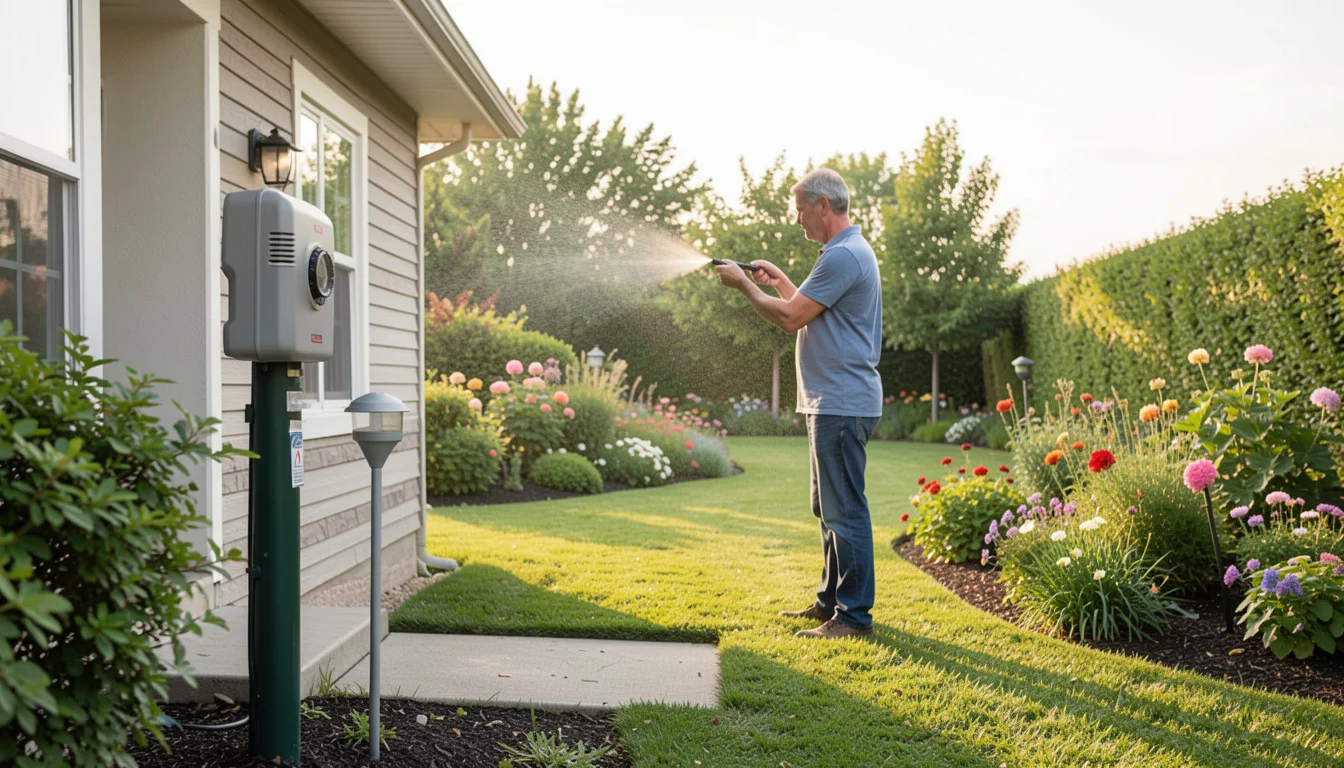
How Can You Cut Outdoor Water Use Without Changing Your Landscaping?
Water the plants that need it, when they need it, and adjust irrigation for weather rather than following an unchanging timer. Before changing a schedule, check local watering rules; some utilities restrict irrigation days or times during drought conditions.
Water early in the day when conditions allow, and direct sprinklers toward planted areas rather than pavement. Inspect the system while it runs: a clogged or misaligned head can send water onto a sidewalk, while a broken line may leave a soggy patch or an unexpectedly high bill.
For established lawns, avoid treating a calendar schedule as a guarantee that watering is needed. Rainfall, soil type, shade, plant species, and local climate all matter, and a recommendation that works in one region may be wrong in another. If your utility provides a watering guide or irrigation audit, use its local advice.
Which Low-Cost Upgrades Are Worth Considering?
Choose an upgrade based on the problem you found: repair a leak first, then consider replacing a fixture if it uses more water than necessary. A retrofit that does not match your plumbing or water pressure may perform poorly, so check product specifications and compatibility before buying.
Option Effort and where it helps Replace a worn toilet flapper Low effort; helps when a toilet leaks from the tank into the bowl. Install a WaterSense-labeled showerhead Low effort; can reduce shower flow while meeting performance criteria. Add faucet aerators Low effort; can reduce flow at compatible bathroom or kitchen faucets. Repair or adjust irrigation heads Low to moderate effort; helps when water sprays pavement or a system leaks. Replace an older toilet Higher cost than a repair; consider it when the toilet is inefficient, damaged, or due for replacement.
Do not replace a working fixture just because a newer model exists. If a leak is the issue, repair it; if a fixture is due for replacement, compare certified efficiency and performance. Renters can ask the landlord to handle plumbing repairs and may find additional ideas in these low-cost tips for renters.
How Do You Make a Water-Saving Plan That Lasts?
Pick two changes tied to your audit, track the next bill, and add another only if the first changes are manageable. A household with a leaky toilet might repair it and check the meter again; one with high seasonal use might adjust irrigation and compare the next similar-season bill.
Check your water provider’s website for rebates on efficient fixtures, free leak checks, or irrigation advice. Programs and eligibility vary by location, and a rebate may require a particular certification or proof of purchase. Keep the product details and receipts until the utility confirms its requirements.
Water conservation is most effective when the fix addresses the source of waste. A water conservation poster can remind family members to turn off taps, but it cannot detect a hidden leak or correct a misdirected sprinkler.
📱 See this content as a Web Story
Frequently Asked Questions
Can a Water Bill Go Up Even If the Household Routine Has Not Changed?
Yes. A hidden leak, a running irrigation system, a billing-period difference, or a change in the utility’s rates or fees can raise the bill. Compare the meter reading with the billed usage and contact the provider if the numbers do not seem to match.
Should You Turn Off the Shower While Shampooing?
It can save water if the shower would otherwise keep running. The amount depends on the showerhead’s flow rate and how long it stays off.
Do Low-Flow Fixtures Always Feel Weak?
No. A well-designed, certified fixture can use less water while maintaining useful performance, but results vary by model and household water pressure. Check reviews and specifications, and keep the receipt in case the fixture does not work well with your plumbing.
Next step: Check your latest bill, then do a quiet-period meter test and a toilet leak check. Fix the clearest source of waste before spending money on upgrades.