
How to Choose Landscape Plants for Heavy Clay Soil
How to select landscape plants for heavy clay soil: options suited to varied drainage, moisture, and light conditions, with specific choices for sun, shade, …
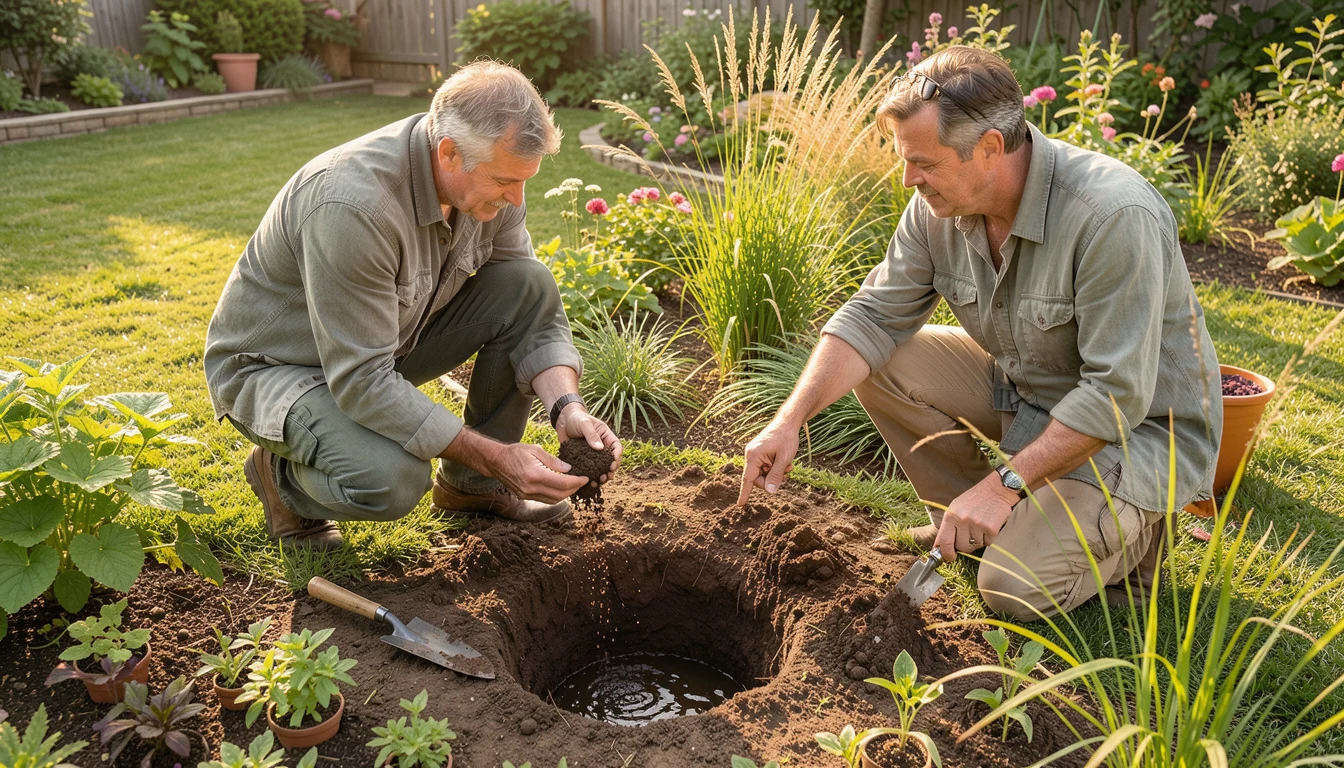 Gardeners assess clay soil and plants
# How to Choose Landscape Plants for Heavy Clay Soil
Clay can hold water and nutrients, but dense or compacted ground may drain slowly and restrict root growth. The right plants depend on how long the soil stays wet, how much sun the site receives, and your local climate. This guide groups seven landscape choices by use and moisture tolerance, then explains how to check drainage and plant with fewer problems.
The picks favor plants with a clear role in the landscape and known tolerance for clay or moist conditions. That does not mean every plant here will thrive in every clay yard: hardiness, light, and seasonal water levels still matter.
Best Plants for Heavy Clay Soil
Plants that suit heavy clay range from moisture-tolerant perennials to shrubs for ordinary garden soil. Choose by the site’s actual drainage: switchgrass and Joe Pye weed tolerate moist ground, while oakleaf hydrangea prefers clay that drains rather than stays waterlogged. These seven options offer choices for sun, shade, screening, and seasonal interest.
| Plant | Type | Light | Moisture needs |
|—|—|—|—|
| Switchgrass (*Panicum virgatum*) | Ornamental grass | Full sun | Moist to moderately dry once established |
| Joe Pye weed (*Eutrochium* spp.) | Perennial | Sun to part shade | Moist |
| Black-eyed Susan (*Rudbeckia* spp.) | Perennial | Full sun | Average; avoid prolonged saturation |
| Redtwig dogwood (*Cornus sericea*) | Deciduous shrub | Sun to part shade | Moist to wet |
| Inkberry (*Ilex glabra*) | Evergreen shrub | Sun to part shade | Moist, acidic soil |
| Oakleaf hydrangea (*Hydrangea quercifolia*) | Deciduous shrub | Part shade | Moist, well-drained |
| Ostrich fern (*Matteuccia struthiopteris*) | Fern | Part to full shade | Consistently moist |
1. Switchgrass for Sunny, Open Areas
Switchgrass is a native North American ornamental grass that brings upright form and movement to sunny beds. It handles clay and can adapt to a range of moisture conditions once established, making it a useful choice where soil is heavy but not permanently flooded. Its seed heads and fall color also carry interest into the cooler months.
Use it in a mixed border, meadow-style planting, or as a loose screen. Mature size varies by cultivar, so check the plant label before placing it near paths or windows. In a soggy low spot, look for a plant suited to persistent wetness instead; switchgrass tolerates moisture but is not a fix for standing water.
2. Joe Pye Weed for Moist, Sunny Borders
Joe Pye weed is a tall perennial suited to sunny or partly shaded sites with moist soil. Its late-season flowers attract pollinators, and its height makes it a strong back-of-border plant. Several species and cultivars are sold under this common name, so their mature size and hardiness can differ.
It is a good candidate for a rain garden or a spot that stays damp after ordinary rainfall. Give it room, and confirm that the selected species fits your region. If the soil dries hard between rains, other sun-loving perennials may need less attention.
3. Black-Eyed Susan for Average Clay
Black-eyed Susan, commonly sold as *Rudbeckia*, provides bright flowers in sunny borders and can grow in clay that drains between rain events. It is included for sites with heavy soil but no prolonged waterlogging, where a tough flowering perennial is more useful than a plant that demands constant moisture.
Plant it toward the middle or front of a bed, depending on the variety’s height. Species and cultivars differ in lifespan and tolerance, so check local recommendations. If the planting area stays saturated for days, choose a wet-soil species instead of expecting this perennial to tolerate poorly drained ground.
4. Redtwig Dogwood for Wet Spots and Screening
Redtwig dogwood is a deciduous shrub that tolerates moist to wet soil and adds vivid stem color in winter. It suits a rain garden, pond edge, or broad property border where a spreading shrub can grow without crowding a narrow path.
Read also: Choosing the Best Organic Soil for Your Garden
It can spread by suckers, so allow space or plan to remove new shoots as needed. Its wet-soil tolerance makes it a better option for persistently damp ground than many common landscape shrubs. For tighter spaces, consider a compact shrub matched to the site’s drainage and mature width.
5. Inkberry for an Evergreen Structure
Inkberry is a broadleaf evergreen native to parts of eastern North America. It can grow in moist, acidic soil and offers year-round foliage, making it a useful option where an evergreen structure is wanted. It tolerates clay when site conditions suit it, but it is not a universal answer for alkaline soil or standing water.
Use it in a foundation bed or informal hedge, and check the mature size of the cultivar. Inkberry generally performs best where the soil stays moist without remaining waterlogged. For narrow planting areas, first compare mature widths and spacing needs, as explained in this guide to evergreen hedge spacing in a narrow side yard.
6. Oakleaf Hydrangea for Part Shade
Oakleaf hydrangea offers large flower clusters, distinctive foliage, and peeling bark. It can grow in clay if the soil remains moist but drains adequately. That distinction matters: this shrub is a better match for ordinary garden clay than for a depression where water sits after rain.
Plant it in part shade, with enough room for its mature spread. Avoid digging a small pocket of rich soil into dense clay and treating that as a complete solution; the abrupt change can hold water around the root ball. For broader flower-bed soil adjustments, see ways to improve soil for ornamental blooms.
7. Ostrich Fern for Shady, Moist Ground
Ostrich fern is a deciduous fern for shaded places with consistently moist soil. It can work beneath trees or along a damp path edge where many flowering perennials would struggle with low light and heavy ground. Its spreading habit makes it better suited to an area where it can fill in than to a tightly controlled small bed.
Choose it only if your climate and site fit its needs, and check whether it is appropriate for your region. Ferns vary in their tolerance of wetness; a shady spot that dries out in summer may call for a different species. For additional shade planting ideas, browse these native groundcovers for slopes, matching each choice to local conditions.
Check Your Clay Soil’s Drainage Before Choosing Plants
Soil texture describes the relative proportions of sand, silt, and clay. Clay particles are very small and can pack closely together; in everyday terms, clay soil often feels sticky when wet and forms a firm clod when dry. The USDA Natural Resources Conservation Service guide to soil texture explains how texture differs from soil structure, which is affected by aggregation and compaction.
Watch the site after a soaking rain. If water drains away within a reasonable period but the ground is hard to dig, compaction may be the main issue. If water remains on the surface or the soil stays saturated, select plants suited to wet ground or address the drainage problem before planting. The University of Minnesota Extension’s guidance on soil drainage covers factors that affect how water moves through soil.
A simple observation can prevent a common planting mistake: a hole dug in wet clay may fill with water, while the same spot looks dry and cracked by late summer. Make choices based on both conditions, not just the day you plant. Local climate and soil layers can change the result, so a drainage test is a useful guide rather than a perfect prediction.
The Royal Horticultural Society’s guidance on clay soils also recommends working with the soil’s properties rather than assuming all clay behaves alike.
Can You Plant Straight Into Clay Soil?
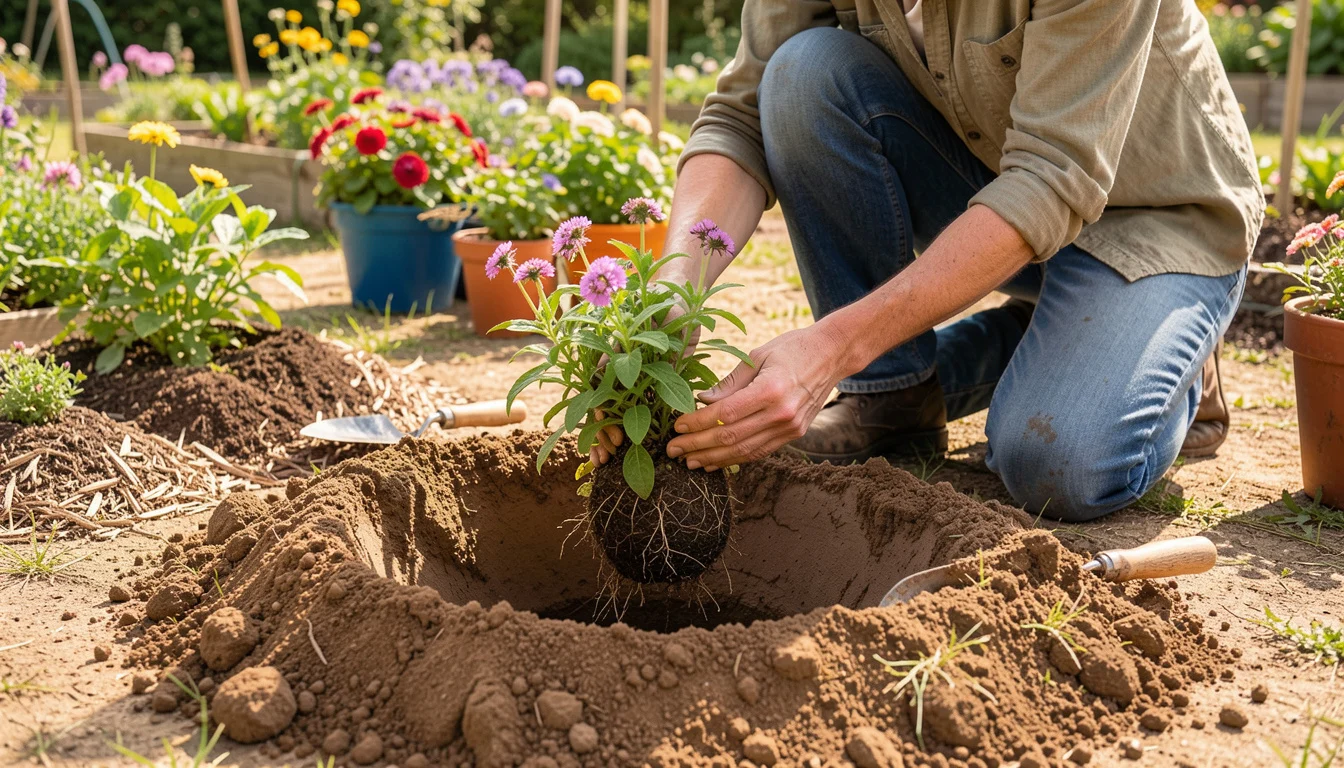
Yes. You can plant straight into clay if the site drains adequately for the species and the ground is workable rather than waterlogged or hard-packed. Planting when clay is very wet can smear the sides of the hole and leave a slick surface that roots struggle to cross.
Dig a hole about as deep as the root ball and wider than it. Loosen the outer edges of the hole, set the plant at the same depth it grew in its container, backfill with the excavated soil, and water thoroughly. Spread mulch over the surface, keeping it away from stems and trunks.
For a single plant, adding a small amount of compost to the planting hole can create a sharp difference between the amended pocket and surrounding soil. Broad improvement is usually more effective when you work organic matter into a wider planting bed. Avoid routine sand additions: they may not improve clay structure, and results depend on the soil mix. For severe compaction or a site that remains waterlogged, consider a raised bed, a different planting location, or professional drainage advice.
Vegetables and Plants to Avoid in Clay Soil
Some vegetables grow in clay when it is fertile, workable, and not saturated. Beans, cabbage, kale, and other brassicas can be options, while root crops such as carrots and parsnips often have trouble in dense, stony soil. Raised beds can provide a more reliable rooting zone for crops that need loose, well-drained ground.
Plants with a strong taproot, such as daikon radish, can help create channels in compacted soil as they grow and decompose. Cover crops with extensive roots may also improve soil structure over time. These plants can help with surface compaction, but they will not solve severe compaction, a high water table, or persistent drainage failure on their own.
Plants that dislike prolonged wetness include many Mediterranean herbs, such as lavender and rosemary, and shrubs that require sharply drained soil. They may grow in clay that has been improved and drains well, but are poor choices for a wet, compacted site. Check the plant’s moisture requirements and local growing guidance before buying.
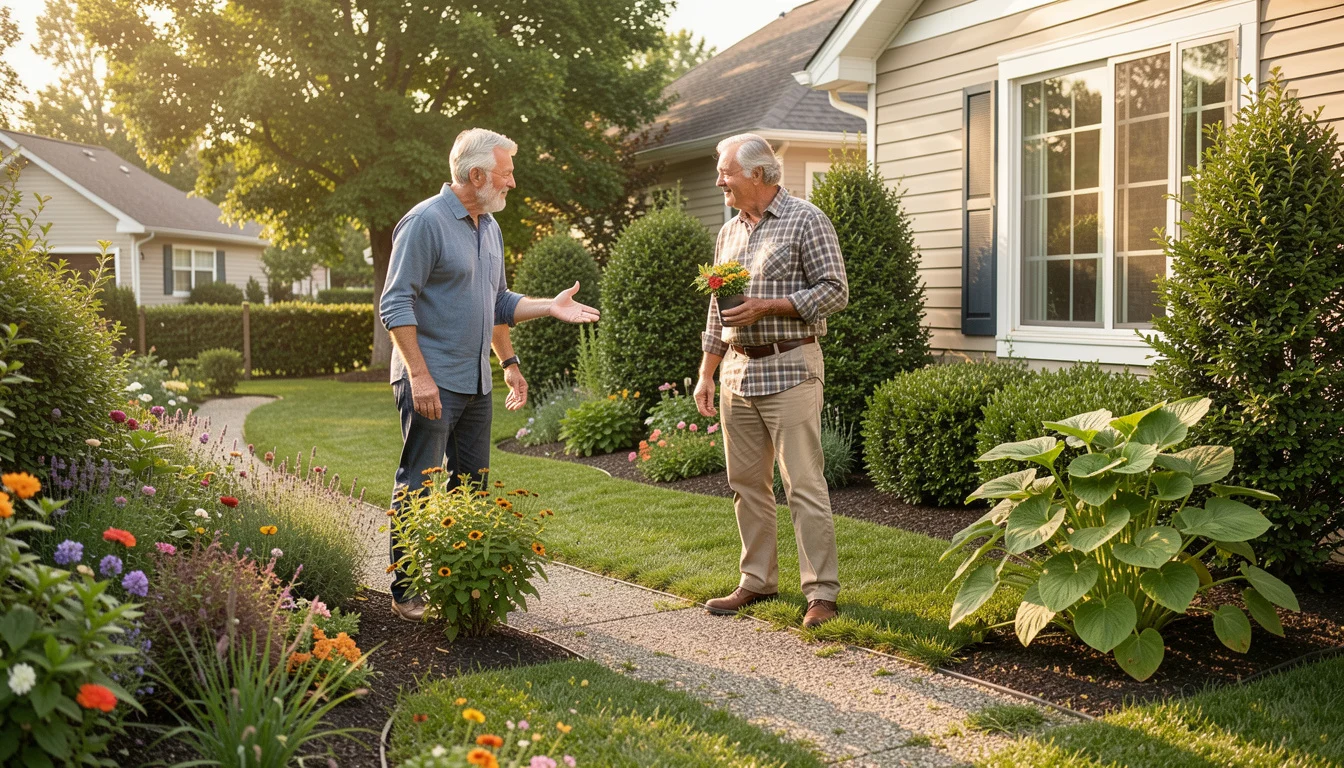
How to Choose the Right Plants for Your Yard
Start with three questions:
- How long does water remain after rain? Choose wet-tolerant plants for damp ground; reserve well-drained-soil plants for areas that dry between storms.
- How much sun reaches the site? Check light at the planting spot during the growing season, not just when trees are bare.
- What is the mature size? A shrub that fits a new bed may outgrow a narrow walkway or block a window.
Then check hardiness and native status for your region. Native plants can support local wildlife, but “native” alone does not guarantee a match for your soil moisture or sunlight. If the ground is severely compacted or stays waterlogged, correct the site conditions or choose a different planting area; plant selection alone cannot overcome every drainage problem.
Conclusion
A successful clay-soil planting begins with the site, not a generic list of tough plants. Match each plant’s light and moisture needs to the conditions in your yard, and treat poor drainage as a separate problem when it persists.
When clay is workable and drains well enough for the chosen species, it can support a wide range of landscape plants. A little observation after rain can make the difference between a plant that settles in and one that struggles.
📱 See this content as a Web Story
Frequently Asked Questions
Which Plant Grows Best in Clay Soil?
There is no single best plant for every clay site. Switchgrass is a flexible option for many sunny yards, while redtwig dogwood or Joe Pye weed may suit wetter areas. Choose based on drainage, light, climate, and mature size.
What Plants Will Break Up Clay Soil?
Deep-rooted plants such as daikon radish and some cover crops can create channels that help soil structure over time. They may ease compaction near the surface, but they will not fix severe drainage problems or compacted subsoil by themselves.
Which Plants Do Not Like Clay Soil?
Plants that need sharply drained ground often struggle in dense, wet clay. Lavender and rosemary are common examples. They may still grow in clay that drains well, so assess the actual site rather than ruling out every clay yard.
Should I Add Sand to Heavy Clay Soil?
Routine sand additions are not a reliable fix. The result depends on the proportions and structure of the existing soil, and a small amount mixed into clay may not improve drainage. Organic matter worked across a wider area is generally a more useful approach for improving garden soil structure.