

Wall-mounted storage vs freestanding shelves looks like a simple choice—until one starts eating your floor space and the other refuses to hold the weight you need.
In practice, the winner is not “the stronger one” or “the prettier one.” It’s the option that matches your wall type, load, and how often you move things around. That’s why one setup feels rock-solid in a garage and useless in a rental apartment.
The real question is not which one saves more space in theory, but which one saves usable space without creating a stability problem.
Where Wall-mounted Storage Wins—and Where It Quietly Loses
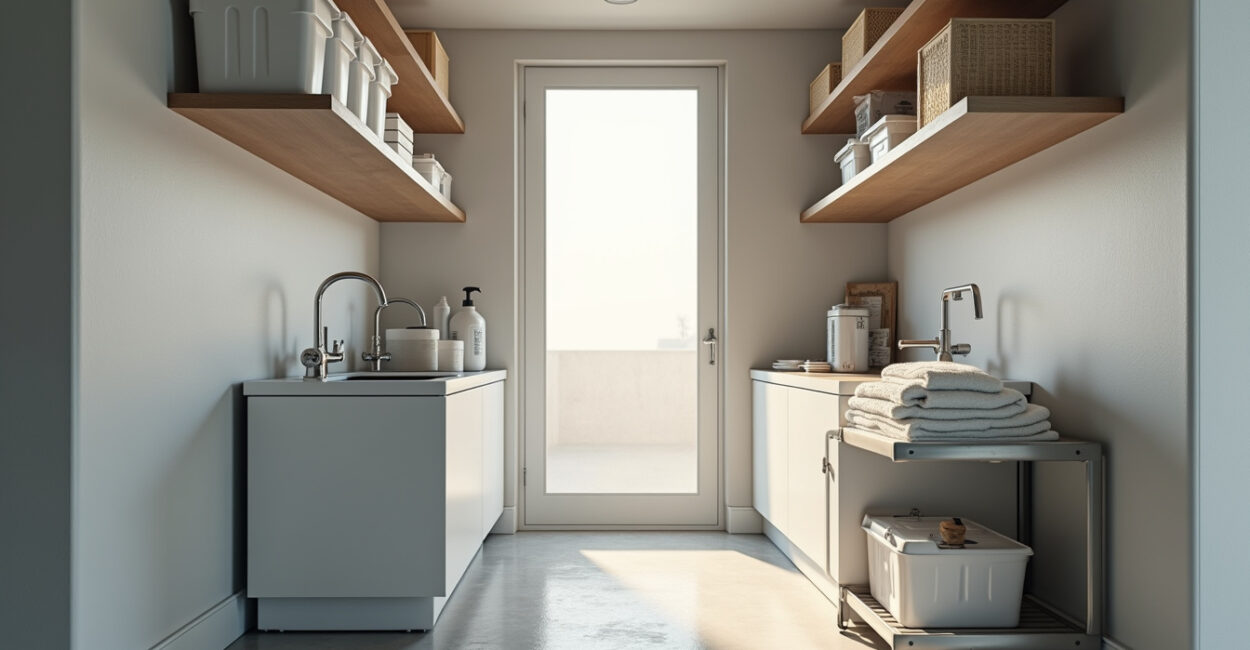
Wall-mounted storage usually wins on floor footprint. That is the whole point: you clear the ground, open walking paths, and make a small room feel less boxed in. In tight laundry rooms, kitchens, and workshops, that can be the difference between “usable” and “annoying.”
But wall-mounted storage vs freestanding shelves is not a fair fight if your wall cannot support the load. Drywall anchors are not magic. Studs matter. So does weight distribution. A heavy stack of books, tools, or canned goods can turn a sleek mount into a bad idea fast.
Wall-mounted systems save the most space when the wall is structural and the items are light to medium weight. Think cleaning supplies, dishes, pantry overflow, small parts, and gear you access often.
Why Freestanding Shelves Still Beat Mounts in Real Homes
Freestanding shelves win on capacity and flexibility. They can carry more weight, move with you, and adapt when your needs change. If you rent, rearrange often, or store bulky boxes, they are usually the safer bet.
Here’s the part people miss: a freestanding unit may take up more floor area, but it can still create more usable storage per dollar. You are not paying for wall reinforcement, stud hunting, or installation mistakes. And if a room layout changes next year, you just move the shelf.
Mini-story: a client once wanted floating mounts in a narrow office nook. It looked perfect on paper. Then the printer, paper, and archive bins showed up. The wall stayed clean, but the shelf load became awkward and the brackets flexed. We switched to a freestanding unit, and the room instantly worked better.
That is the trap: wall-mounted storage vs freestanding shelves is often a trade between visual space and practical capacity.

The Decision Rule That Actually Works
Use this rule: if your priority is saving floor space, choose wall-mounted storage. If your priority is holding more, moving less, and avoiding installation risk, choose freestanding shelves.
- Choose wall-mounted for small rooms, clear walkways, and lighter items.
- Choose freestanding for heavy loads, rentals, and changing layouts.
- Avoid both extremes: overloading mounts or buying deep shelves that block traffic.
According to NIST guidance on load and fastening principles, capacity depends on the full system—not just the shelf itself. For home layout and safety basics, the CDC’s injury-prevention guidance also reinforces why anchored storage matters in certain spaces.
The smartest storage is the one you stop noticing after a week.
FAQ
Does Wall-mounted Storage Really Save More Space Than Freestanding Shelves?
Usually, yes—on the floor. Wall-mounted storage frees up walkways and makes a room feel larger because the base of the unit disappears from view. But that advantage only matters if the wall can safely support the load and the items are not too heavy or too deep.
Are Freestanding Shelves Less Stable Than Wall-mounted Storage?
Not always. A good freestanding shelf can be very stable, especially if it is wide, heavy, and properly loaded. Wall-mounted storage can be stable too, but only when it is anchored correctly into studs or another structural support. The issue is not the category; it is the installation and the weight.
Which Option is Better for a Rental Apartment?
Freestanding shelves are usually the safer choice in rentals because they avoid wall damage and are easy to take with you. If you need wall-mounted storage, use removable systems only when the landlord allows them and the load is light. In most rentals, flexibility matters more than squeezing out the last inch of floor space.
Can Wall-mounted Storage Hold as Much as Freestanding Shelves?
Sometimes, but not often in the same footprint. Wall-mounted storage can be very efficient for lighter items, yet freestanding shelves usually outperform it for total capacity, especially with heavier objects. The limiting factor is the wall structure, the fasteners, and how the weight spreads across the mount.
What is the Biggest Mistake People Make When Choosing Between Them?
They choose based on appearance instead of use. A floating shelf can look cleaner, but if it turns into a weak point under weight, the room becomes less functional. The better question is: how much weight, how often do you move it, and do you need the floor clear every day or only sometimes?