
Winter Garden Ideas: Create a Stunning and Functional Winter Garden
How to design a winter garden using structure, texture, and frost-resistant plants to create vibrant, layered outdoor and indoor spaces during cold months.
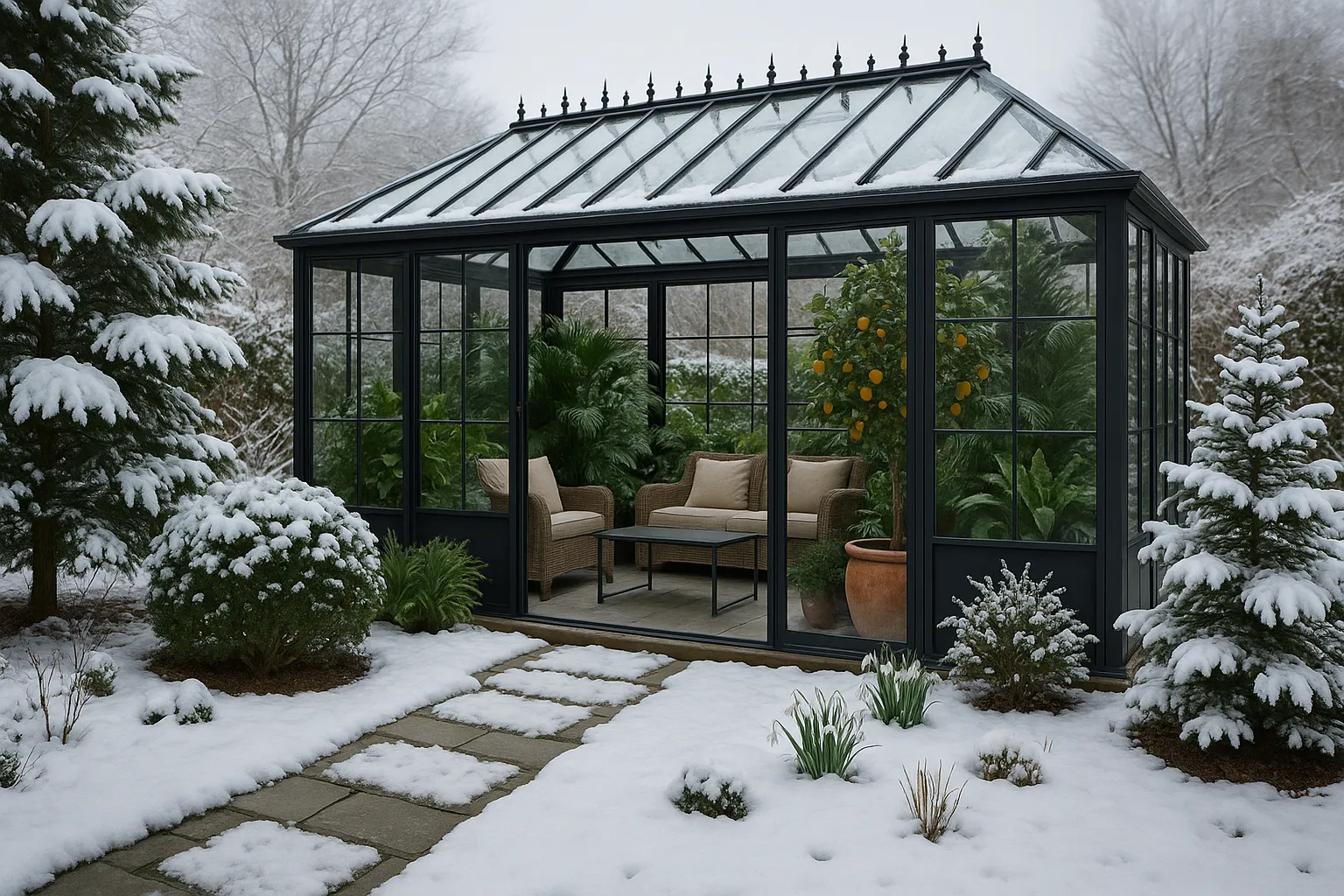 Frost-touched winter border beside a stone path
📅 Updated on 06/14/2026
A garden does not have to go dormant just because the temperature drops. In fact, a well-planned winter garden can look sharper in January than many spring beds do in May, because structure, bark, berries, evergreen foliage, and frost-tolerant flowers do the heavy lifting when color is scarce.
The best winter spaces are not built on flowers alone. They rely on shape, texture, contrast, and a planting plan that still reads clearly under low light, cold rain, and occasional frost. Below, you’ll find a practical guide to winter garden design, the plants that earn their place, and the maintenance steps that keep the whole thing looking intentional instead of tired.
Key Takeaways
- A winter garden is defined by structure first and flowers second, which is why evergreens, seed heads, bark, and grasses matter so much.
- Cold-season success comes from combining frost resistant plants with strong layout choices such as layers, focal points, and repeated textures.
- Small spaces can still carry winter interest if you use containers, upright evergreens, berries, and one or two high-contrast materials.
- Indoor winter garden ideas work best when light, humidity, and plant selection are matched to the room instead of forcing tropical plants to behave like houseplants.
- Winter garden maintenance is mostly about drainage, wind protection, and avoiding overwatering when plants are growing slowly.
What a Winter Garden Is and Why It Works in Cold Months
A winter garden is a planted space designed to stay attractive and usable during the cold season by relying on evergreen foliage, seasonal texture, berries, bark, and winter flowering plants rather than peak-summer bloom. It can be an outdoor garden, a sheltered patio, or an indoor conservatory-style space that extends the gardening season.
That definition sounds simple, but it matters because winter changes what the eye notices. In spring and summer, flowers carry the display. In winter, the bones of the garden become the story. The outline of a hedge, the silhouette of a dogwood stem, or the silver movement of ornamental grasses can matter more than a short-lived bloom.
Two versions come up most often:
- Outdoor winter garden: a frost-tolerant planting scheme built for real weather, with hardy shrubs, perennials, and structural plants.
- Indoor winter garden: a bright room, sunroom, or conservatory that uses potted plants, humidity control, and stronger light access to keep green life visible through winter.
For climate context, the USDA Plant Hardiness Zone Map is the most practical starting point in the U.S. It helps you separate plants that survive your winter from plants that merely look good in a nursery tag. For design ideas focused on seasonal interest, the Royal Horticultural Society’s winter interest guidance is a strong reference point.
What separates a good winter garden from a forgettable one is not how many flowers it has in December; it is whether the space still has shape, contrast, and movement when everything else goes quiet.
Best Winter Garden Plants for Color, Texture, and Structure
The best winter garden plants do one of five jobs: keep foliage alive, produce berries, hold their shape after frost, flower in the cold, or add bark and stem color. If a plant cannot do at least one of those jobs, it probably does not deserve prime winter space.
Evergreens That Hold the Garden Together
Evergreen plants are the backbone of cold-weather gardening because they keep mass and color when deciduous plants are bare. Boxwood, holly, yew, pine, hebe, and compact juniper all create reliable structure. Use them as anchors, not filler.
Winter Flowering Plants for Controlled Color
Winter flowering plants are useful, but only when they are placed where you will actually notice them. Hellebores, winter jasmine, mahonia, witch hazel, and some cyclamen varieties bring bloom at the right time. Their value is not volume; it is timing.
Berries, Bark, and Grasses for Nonstop Interest
Berry-bearing shrubs like winterberry holly and cotoneaster add color after leaves are gone. Red-twig dogwood and paperbark maple carry the display with stem and bark color. Ornamental grasses such as switchgrass and fountain grass still move in the wind, and that movement changes how a winter border feels.
Frost Resistant Plants Worth Repeating
Frost resistant plants are not just about survival. They are the plants that still look tidy after temperature swings. Sedum, pansies in mild climates, ornamental cabbage, thyme, and many hardy herbs can keep a bed from looking empty while other plants rest.
Here is the practical rule: mix at least one evergreen, one winter bloomer, and one texture plant in every visible zone. That formula keeps the planting from collapsing into a single note.
| Plant type | Why it works in winter | Best use |
|---|---|---|
| Evergreens | Keep form and color year-round | Beds, hedges, containers |
| Winter bloomers | Add short but valuable color | Entryways, paths, focal points |
| Berries and bark plants | Provide contrast after leaf drop | Backdrops and specimen spots |
| Grasses | Add movement and light-catching texture | Drifts and borders |
Winter Garden Design Principles That Keep the Space Interesting
Winter garden design works when the layout is readable from a distance and rewarding up close. That means using height, repetition, and contrast deliberately instead of scattering plants randomly and hoping winter color will save the scene.
Design for Shape Before Color
In cold months, shape is what you see first. Rounded shrubs, upright evergreens, arching grasses, and bare branching forms create a visual framework that survives long after flowers fade.
Use Texture as Your Main Ornament
Texture does more winter work than extra color. A glossy leaf next to a feathery grass, or a rough barked shrub beside a smooth planter, gives the eye something to read even on gray days.
Build One Clear Focal Point Per View
A winter space needs a point of attention in each major sightline. That might be a specimen holly, a container with conifers and berries, a sculptural tree, or a bench framed by structure plants. Without that anchor, the garden feels scattered.
Choose Containers That Do Real Visual Work
Containers matter more in winter than in summer because they sit at eye level and can be moved where the effect is strongest. Tall urns, weathered stone pots, and simple metal planters pair well with evergreen branches, winter pansies, or cut stems from the yard.
Winter design fails when it treats cold weather as a problem to hide. It succeeds when the gardener uses the season’s restraint as the design language.
A useful guide from Penn State Extension reinforces this approach: winter interest comes from planning for line, form, and texture, not from expecting every bed to stay flower-heavy.
How to Create a Winter Garden Step by Step
Start by choosing the view you want to improve most. A winter garden is not a catalog of plants; it is a composition. The quickest way to get a strong result is to design for one walkway, one window, or one entry point before expanding to the whole yard.
- Map the coldest, windiest, and wettest spots. Those areas will decide which plants survive and where drainage must improve.
- Keep the structure you already have. Mature shrubs, small trees, retaining walls, and fences often matter more than adding new plants.
- Layer plants by height. Put taller evergreens or shrubs behind mid-height perennials and lower edging plants.
- Repeat a few materials. Repetition makes a winter border feel designed instead of crowded.
- Add one or two winter accents. Use berries, stems, or a standout container to avoid visual flatness.
Na prática, what happens is that gardeners often overplant for summer and then discover the bed loses its shape in winter. The fix is not more plants; it is fewer, better-placed ones. When the leaves drop, space between plants starts to matter as much as the plants themselves.
Here is a small example. A townhouse courtyard in a windy area looked barren by December, with three tired shrubs and too much exposed paving. The redesign used two upright junipers, a clump of hellebores, a deep black planter with boxwood, and a red-twig dogwood stem grouping near the door. The space did not get bigger, but it started reading as intentional.
Winter Garden Maintenance and Protection in Cold Weather
Winter garden maintenance is mostly preventive. The goal is to reduce stress before freezes arrive and avoid the two biggest cold-season mistakes: waterlogged roots and unnecessary pruning.
Water Less, but Check the Soil
Plants use less water in winter, yet containers and evergreens can still dry out. Check soil moisture before watering. If the soil is frozen or already wet, adding more water only increases stress.
Protect Roots and Drainage First
Drainage failure is a bigger winter problem than cold itself for many plants. Raised beds, coarse mulch, and pots with clear drainage holes help prevent root damage. If a site stays soggy, improve the grade before adding delicate plants.
Prune Selectively, Not Aggressively
Heavy pruning in winter can remove the very branches that give the garden structure. Remove damaged growth, but delay major shaping until late winter or early spring unless the plant demands a different schedule.
Watch for Frost, Wind, and Salt Exposure
Frost cloth, burlap screens, and temporary windbreaks can protect tender specimens during hard cold snaps. In urban or roadside settings, salt spray from walks or roads can damage foliage, so placement matters as much as plant choice.
There is one nuance that trips up a lot of people: not every frost resistant plant is equally resistant in a container. Roots in pots are more exposed than roots in the ground, so the same plant may survive outdoors in a border but struggle on a patio unless the pot is insulated.
Winter Garden Ideas for Small Spaces, Patios, Balconies, and Indoors
Small spaces can carry winter interest very well because every object is visible. The trick is to reduce clutter and choose plants or materials with strong outlines, not tiny details that disappear at a distance.
Small Garden Ideas That Still Feel Layered
Use one evergreen as a focal point, one flowering plant for seasonal lift, and one texture plant for movement. A narrow border with repeated dwarf conifers, heuchera, and hellebores can look richer than a crowded bed with too many one-season choices.
Patio and Balcony Ideas
For patios and balconies, containers are the whole game. Mix evergreen branches, winter heather in mild climates, hardy herbs, and trailing ivy in grouped planters. Keep the palette tight: green, silver, burgundy, and one accent color is usually enough.
Indoor Winter Garden Ideas
An indoor winter garden should be treated like a light problem first and a decoration second. Bright windows, sunrooms, and conservatories suit citrus in ideal conditions, ferns, orchids, amaryllis, and other houseplants that tolerate indoor humidity better than typical outdoor species.
According to Clemson Extension’s houseplant guidance, matching light, watering, and humidity to the plant is more important than buying the most attractive specimen. That advice matters in winter, when indoor air is dry and daylight is limited.
Not every approach works everywhere. A winter display that thrives in a mild coastal climate may fail in a freeze-prone inland yard, and a bright conservatory planting may collapse in a dim apartment. The climate, the container, and the available light decide the design more than the trend does.
Closing Steps That Make the Garden Work Beyond One Season
The smartest winter gardens are built to age well. They do not depend on a single plant or one dramatic month. They combine reliable structure with a few changeable accents, so the space still works when the weather shifts, the flowers fade, or the light changes by the week.
If you are starting from scratch, begin with structure plants, solve drainage first, and choose one view to improve before adding more beds. If you already have a garden, edit harder than you plant: remove weak performers, keep the backbone, and let winter show you where the design is too busy.
Frequently Asked Questions
What is the difference between an indoor and outdoor winter garden?
An indoor winter garden is usually a bright room, sunroom, or conservatory filled with potted plants that can handle lower winter light and dry air. An outdoor winter garden is planted for frost, wind, and seasonal dormancy, so it depends on structure, hardiness, and drainage more than indoor conditions.
Which plants are best for winter garden ideas in colder climates?
Evergreens, hellebores, winterberry holly, red-twig dogwood, ornamental grasses, and hardy shrubs are among the best choices. In colder zones, prioritize plants that keep form after frost instead of relying on delicate bloom.
How do I keep a winter garden attractive when flowers are scarce?
Use foliage color, bark, berries, branches, and plant shape as your main design elements. If those layers are in place, flowers become a bonus instead of the only thing carrying the space.
Can I create a winter garden in a very small yard or balcony?
Yes. Containers, dwarf evergreens, winter heather, hardy herbs, and one strong focal plant can create a convincing cold-season display in a small footprint. Repetition matters more than quantity in tight spaces.
How often should I water plants in winter?
Water only when the soil starts to dry and the ground is not frozen. Most winter damage comes from overwatering or poor drainage, not from leaving plants a little drier than usual.
Should I prune before winter or wait until spring?
Light cleanup before winter is fine, but major pruning is usually better delayed until late winter or early spring. Keeping the natural structure intact often improves both winter appearance and plant health.