
Choosing a Dog Daycare: Questions to Ask Before You Book
Como escolher dog daycare que respeita o temperamento, saúde e necessidades do seu cão, incluindo grupos compatíveis, supervisão e opções de descanso individ…
 A careful first day at daycare
The right daycare is the one that can explain how its routine fits your dog—not just how much fun the play area looks.
When you choose dog daycare, it’s easy to be swayed by splash pools, long play sessions, or a polished tour. But daycare can mean busy group play, smaller matched groups, or more individual care. The best choice is the provider that can describe how it screens dogs, supervises them, and adjusts when a dog needs a break.
That decision starts with your dog. Some dogs enjoy a lively group; others feel overwhelmed, have health needs, or prefer quiet company. Daycare isn’t right for every dog, and a provider’s answers about mismatches and rest often reveal more than its list of amenities.
1. Choose Dog Daycare Around Your Dog’s Needs
To choose dog daycare, match the provider’s care style to your dog’s temperament, health, age, and comfort around other dogs. Ask whether the facility offers compatible small groups, individual breaks, or alternatives to group play. A place that acknowledges daycare may not suit every dog is giving you useful information.
Think about what your dog does in ordinary settings. Does a crowded greeting lead to relaxed sniffing, or does your dog hide behind you? Tell the provider about medication, mobility limits, past conflicts, or anxiety. For broader pet-selection context, see how to choose the right companion animal.
2. Ask How Dogs Are Screened and Introduced
Ask what happens before a dog joins a play group. A thoughtful process may include a behavior assessment, health and vaccination records, and questions about bite history or discomfort around particular dogs. Find out whether introductions happen gradually, with staff watching body language, rather than by placing a new arrival straight into a crowd.
Ask what staff do if the fit is poor. A dog that repeatedly avoids play or becomes tense should have a way to leave the group. Screening is a process, not a pass-or-fail promise that every dog will enjoy daycare.
3. Get Specific About Supervision
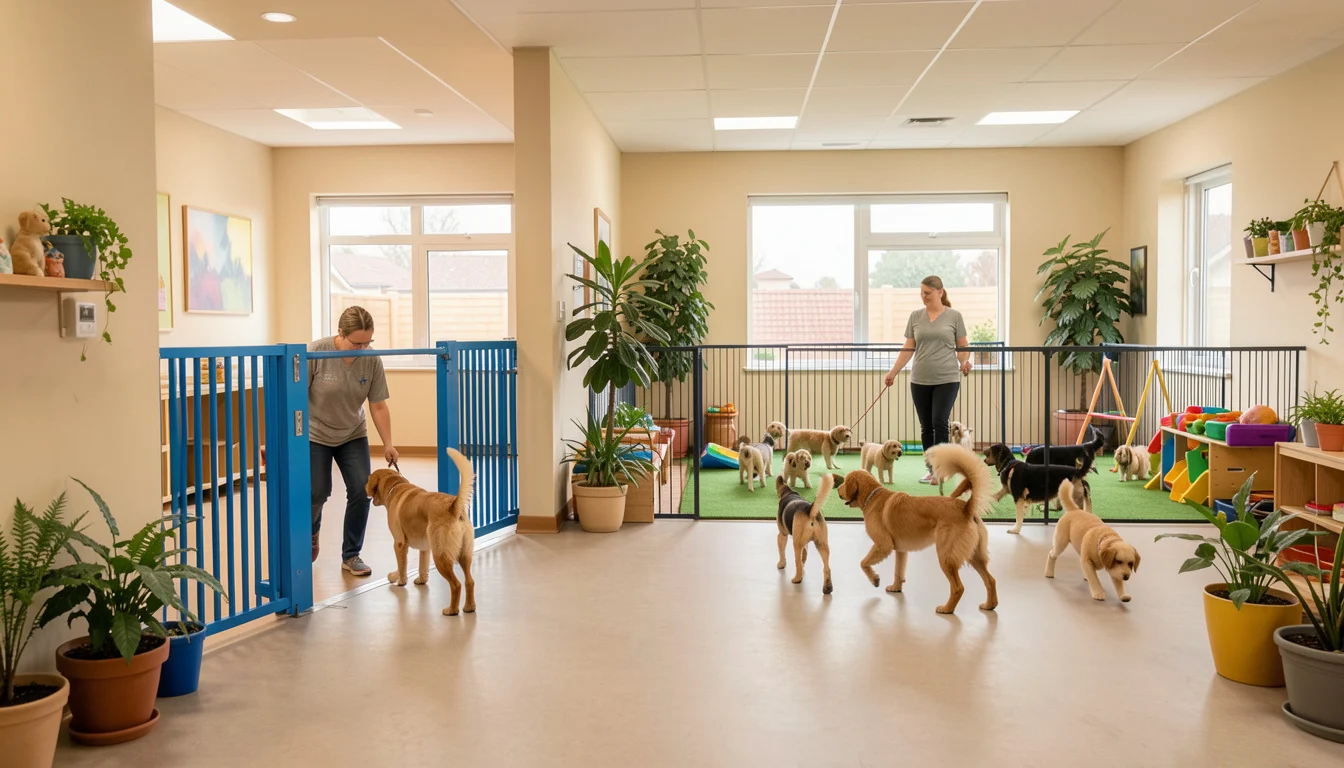
“Staff are always watching” is too vague. Ask who monitors each group, whether the person can intervene promptly, and how staff separate dogs if play gets too intense. Group size matters, but it means little without details about sightlines, distractions, and how dogs move between spaces.
- Who is watching the dogs during play and transitions?
- How are dogs grouped by size, play style, or comfort level?
- What signs prompt staff to pause play or separate a dog?
- How are dogs supervised during drop-off and pickup?
Look for a clear, calm explanation, not a guarantee that conflicts never happen.
4. Check the Daily Routine and REST Plan
Ask how often dogs get breaks and where they rest. Continuous group play can be tiring, and some dogs need a quiet space away from barking and movement. Find out whether rest is scheduled, whether staff can offer it when a dog seems overstimulated, and what dogs do if they don’t settle with the group.
If your dog already finds time alone difficult, explain that before booking. Building comfort with solo time may be relevant to your wider routine, but daycare should not be presented as a guaranteed fix for separation-related distress.
5. Verify Health and Emergency Procedures
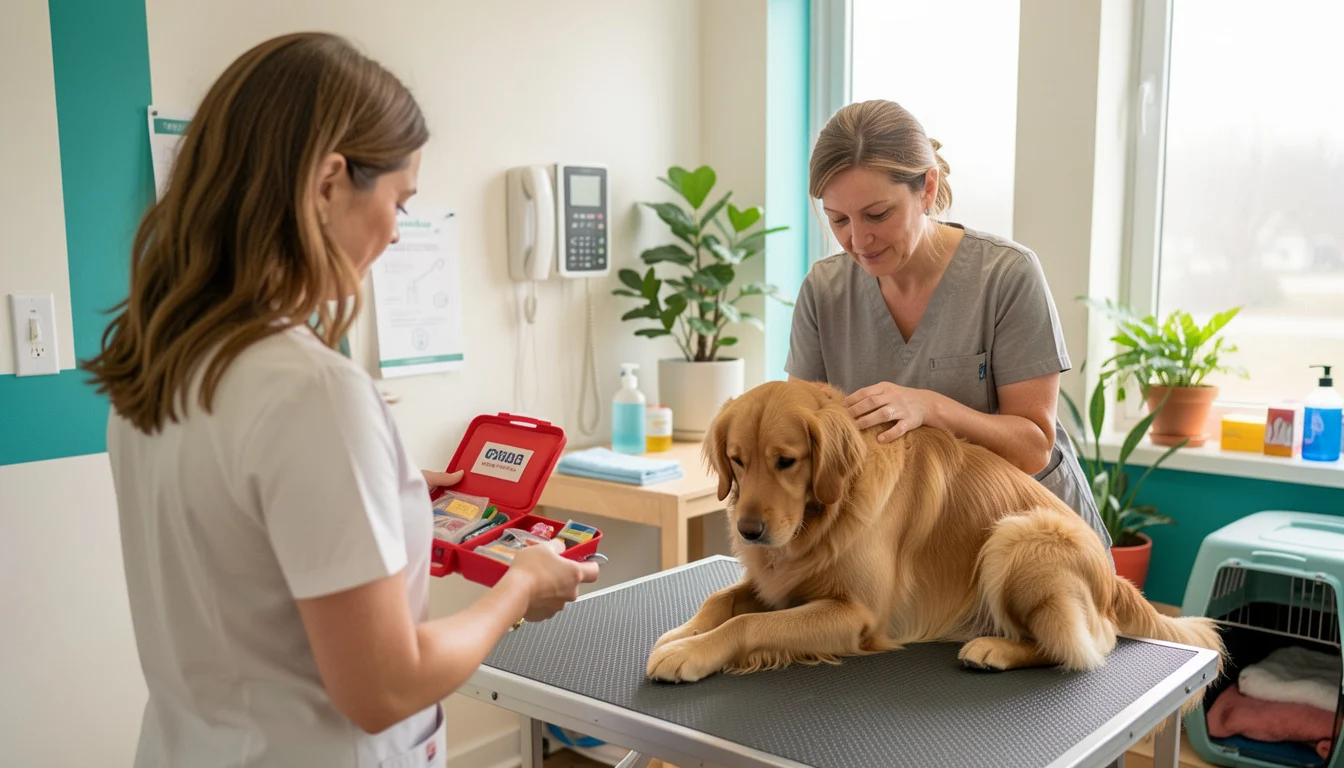
Ask how the facility cleans shared areas, handles signs of illness, and responds to an injury. Confirm who contacts you, which veterinary clinic the facility uses, and what happens if you cannot be reached. The American Veterinary Medical Association’s guidance on selecting a pet care facility offers questions to raise with providers.
Vaccination policies can vary with local rules, the facility, and an individual dog’s health. The American Animal Hospital Association’s canine vaccination guidelines provide veterinary context, not daycare-specific requirements. Ask your veterinarian what is appropriate for your dog.
6. Compare Policies, Communication, and Total Cost
Put providers side by side. Ask for written policies on cancellations, late pickup, illness, behavior changes, and incident reporting. Also confirm what the quoted fee includes, such as meals or medication administration. For a dog who needs scheduled quiet time, the rest policy may matter more than an extra activity.
Compare Ask each provider Screening What assessment and records are required? Supervision Who watches groups, and how do they intervene? Rest Where and when can my dog take a break? Updates How are injuries or behavior concerns reported? Policies and fees What rules and additional charges apply?
7. Use the Trial Day to Learn, Then Decide
A trial is useful when staff explain what they’ll observe: whether your dog can settle, how they respond to other dogs, and whether they choose to engage or withdraw. Ask for specific feedback afterward, including any moments when staff changed the plan. One visit is a snapshot, not proof that a facility is right for every future day.
Book only if the provider answers your questions clearly, respects your dog’s limits, and can describe a plan for mismatches or health concerns. If the first day includes long stretches of resting alone or visible stress, ask what staff noticed before scheduling another visit.
Before you leave, write down the answers that matter most to your dog. A confident tour can be memorable; a clear explanation of what happens when your dog needs help is more useful.
Frequently Asked Questions
What Should a Dog Bring on the First Day?
Ask the facility first. It may request food, medication with instructions, and a secure collar or harness; avoid bringing toys unless staff approve them.
Can a Dog Attend Daycare Only Occasionally?
Often, but availability and how a dog adjusts can vary. Ask whether occasional visits require a gradual introduction or a minimum booking schedule.
How Will I Know If My Dog is Comfortable There?
Ask for concrete observations about play, rest, and behavior during transitions. A provider should share concerns as well as positive moments.
Should My Veterinarian Review the Daycare Plan?
Yes, if your dog has a medical condition, takes medication, or has vaccination questions. Your veterinarian can advise on individual health needs; the daycare sets its own operating policies.