

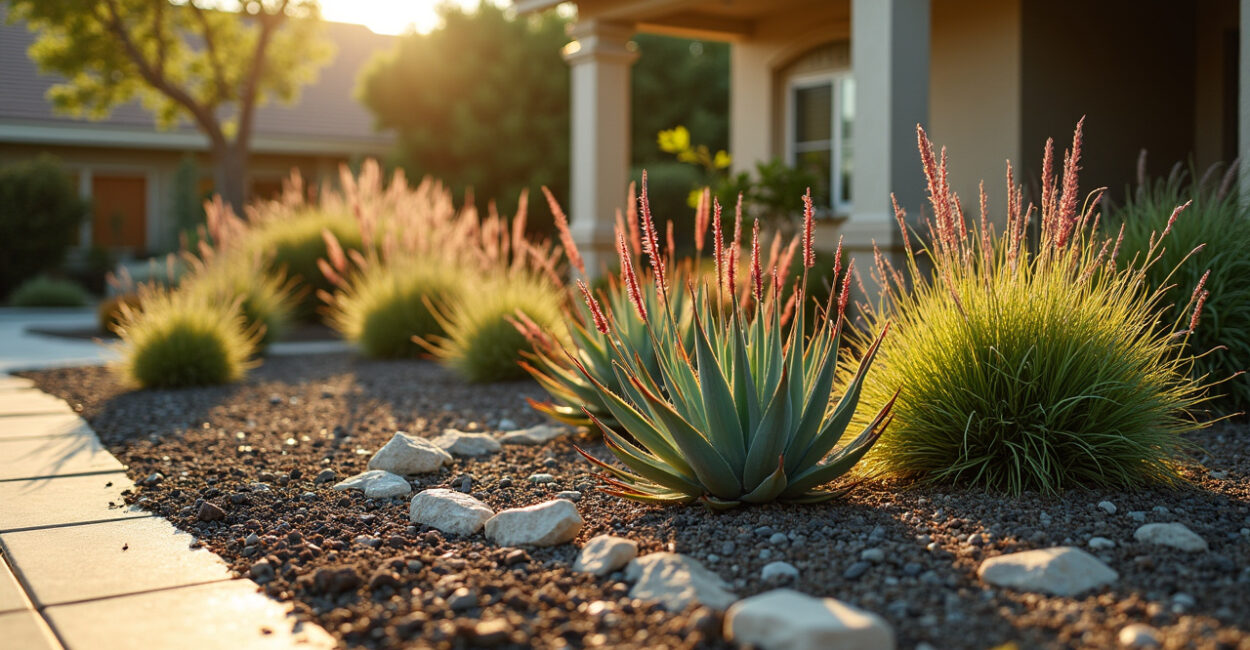
A yard can look expensive without drinking expensive amounts of water. That is the real advantage of drought-tolerant plants for budget yards: they reduce irrigation demand, survive heat better, and lower the long-term cost of keeping a landscape alive after the first season.
The formal idea is simple: drought-tolerant plants are species or cultivars that can maintain acceptable growth and appearance with limited supplemental water once established. In plain English, they are the plants that keep doing their job after the sprinkler schedule gets cut back, the rain stops cooperating, or the water bill starts punishing every extra gallon.
What You Need to Know
- Low-water plants save money over time only when you match them to sun exposure, soil drainage, and your local climate zone.
- The cheapest landscape is not the one with the fewest plants; it is the one with the lowest replacement rate and the smallest irrigation load.
- Native perennials, ornamental grasses, and Mediterranean herbs usually deliver the best cost-to-performance ratio in dry yards.
- Mulch, drip irrigation, and grouped planting often matter as much as the plant list itself.
- Some “drought-tolerant” plants still need regular water during establishment, so the first year determines the long-term payoff.
Choosing Drought-Tolerant Plants for Budget Yards That Actually Cut Costs
If the goal is savings, do not shop for plants by looks alone. Start with the technical filter: mature size, water demand after establishment, USDA hardiness zone, and soil drainage. A plant that survives drought but dies in winter is not budget-friendly; it is a repeat purchase.
In practical landscape work, the biggest mistake is buying plants that are sold as “low-maintenance” but still need staking, frequent pruning, or rich soil amendments to stay presentable. Those hidden labor costs add up fast. The best performers usually have one of three traits: deep root systems, small or waxy leaves that reduce transpiration, or a growth habit adapted to heat and dry spells.
What separates a low-cost drought-tolerant yard from a cheap-looking one is not plant quantity — it is plant placement, root establishment, and choosing species that stay attractive without constant intervention.
Three Traits Worth Prioritizing
- Deep-rooted structure: Plants like coneflower and salvias can keep going after surface soil dries out.
- Low pruning demand: A plant that needs shaping every month raises labor costs even if water use is low.
- Reliable repeat performance: Perennials and shrubs that return each year usually beat annuals on cost.
For context, the USDA and its plant hardiness zone system are the first stop for climate matching, because a drought-tolerant plant still has to survive winter lows and regional heat patterns. If you skip this step, you are gambling on a plant’s marketing label instead of its biology.
Best Low-Water Plants for Dry Yards on a Tight Budget
Some plants earn their keep because they keep returning with very little input. These are the ones I reach for first when someone wants a yard that looks intentional, not thirsty.
Reliable Perennials and Shrubs
- Lavender: Excellent in full sun and well-drained soil; fragrant, durable, and easy to overwater if you are not careful.
- Russian sage: Handles heat well and creates volume without much irrigation.
- Yarrow: Tough, adaptable, and useful where the soil is less than perfect.
- Salvia: Long bloom window, strong pollinator value, and solid drought performance.
- Autumn sage: A dependable shrub-like perennial for warm, dry landscapes.
- Blue fescue: A compact ornamental grass that gives structure without constant watering.
Budget-Friendly Groundcovers and Herbs
Creeping thyme, sedum, and rosemary earn a lot of value per square foot. They are useful where you want coverage without mowing or frequent replanting. Rosemary is especially practical in mild climates because it can function as both a culinary herb and a hardy landscape shrub.
The Missouri Botanical Garden is a useful reference when you want plant-by-plant cultural notes, especially for sun exposure and soil requirements. That matters more than most people think, because “drought tolerant” does not mean “happy in any dry spot.”

Why Native Plants Often Win on Long-Term Value
Native plants are not always the prettiest option on day one, but they frequently win on maintenance cost, survival rate, and resilience. That is why they show up so often in water-wise landscaping and xeriscape plans. They are adapted to local rainfall patterns, temperature swings, and the pests that already exist in the region.
This is where the economics get interesting. A plant that survives with less water and fewer replacements pays you back twice: once in utility savings and again in avoided labor. Native species also tend to support local pollinators, which makes the yard feel more alive without requiring more inputs.
Xeriscaping is not about building a desert aesthetic; it is about designing a landscape so irrigation becomes supplemental instead of foundational.
Where Native Choices Make the Most Sense
Use natives in beds that receive full sun, along property edges, and in areas where irrigation is patchy or expensive to extend. They are also smart for sloped yards, because once established they often hold soil better than shallow-rooted ornamentals.
There is one limit worth admitting: not every native is automatically low-maintenance. Some spread aggressively, some go dormant fast, and some look ragged if the soil is too rich. The right native is the one that fits your site, not the one with the most enthusiastic label.
How to Design a Yard That Looks Intentional, Not Neglected
The cheapest yards are not sparse; they are disciplined. A small palette of well-chosen plants usually looks better than a crowded mix of mismatched species, and it costs less because it reduces replacement mistakes and simplifies care.
Use Repetition on Purpose
Repeat the same three to five species in drifts or clusters. That creates visual rhythm and makes irrigation easier because plants with similar water needs sit together. It also helps mulch stay in place and reduces the “random plant sale” look that signals poor planning.
- Put the most drought-tolerant species in the hottest, driest spots.
- Keep higher-water plants closer to downspouts or shaded areas.
- Group plants by similar sun and soil needs, not by color alone.
A Small Example from the Field
A homeowner once tried to save money by buying a few bargain perennials from different big-box racks and scattering them across the front yard. The result looked thin, and three plants failed in the first summer because they were placed in full afternoon sun without mulch. The next season, the same budget produced a much better yard: lavender, yarrow, and blue fescue planted in repeating clusters, with a 2- to 3-inch mulch layer and drip lines. The yard used less water, looked fuller, and stopped needing emergency replacements.
Planting and Establishment Without Wasting Money
Most drought-tolerant plants fail for one of two reasons: poor establishment or overwatering. The first year matters more than the label on the tag. Even low-water plants need consistent moisture long enough to develop roots deep enough to handle dry periods later.
That is why drip irrigation often beats sprinklers for budget yards. It delivers water to the root zone, reduces evaporation, and keeps foliage drier, which can lower disease pressure. The EPA WaterSense program has solid guidance on water-efficient outdoor practices, including irrigation habits that reduce waste without turning your landscape into a science project.
Simple Establishment Rules
- Water deeply, not constantly, so roots move downward.
- Use mulch to slow evaporation and protect soil temperature.
- Avoid rich compost in places that already drain well; too much fertility can create soft, thirsty growth.
- Check soil before watering again; wet roots need oxygen as much as they need moisture.
Na prática, what happens is that many people water a drought-tolerant plant the same way they water a lawn. That defeats the whole point. A lawn is a shallow-rooted system; a drought-adapted bed should be trained to search deeper. Different biology, different schedule.
Common Mistakes That Make Low-Water Landscapes Expensive
Some yards are “water-wise” on paper and expensive in reality. The usual culprits are bad plant selection, poor soil drainage, and the habit of buying mature-sized plants for tiny spaces. Oversized shrubs quickly turn into pruning chores, and pruning is hidden labor that budget landscapes can’t afford.
Errors That Raise Costs Fast
- Mixing sun lovers with shade plants in the same bed.
- Assuming every gray-leaved plant is drought-proof.
- Using annual flowers as the main design layer.
- Skipping mulch and then compensating with more irrigation.
- Planting too densely, which creates competition and later thinning costs.
There is also a timing issue. Fall planting often gives drought-tolerant shrubs and perennials a better start than midsummer planting because root growth continues in cooler weather while top growth slows. That does not mean summer planting never works, but it does mean you should expect more watering and a higher loss rate if temperatures are extreme.
Budget Plan for a Water-Wise Yard over the First Three Years
If you want the numbers to make sense, think in phases. Year one is establishment, year two is stabilization, and year three is when the savings become visible. That sequence matters more than any single plant purchase.
| Phase | Main Expense | Why It Matters |
|---|---|---|
| Year 1 | Plants, mulch, drip setup | Root establishment determines survival |
| Year 2 | Light replacement, seasonal cleanup | Weak plants reveal themselves here |
| Year 3 | Minimal irrigation and selective pruning | Savings become easier to measure |
If the climate is especially hot or windy, expect the first season to cost more than you hoped. That is not a failure of drought-tolerant design; it is the cost of establishment. Once roots are down and mulch is in place, the yard usually needs less attention, not more.
The smartest way to save money in a dry yard is to spend more on soil preparation and layout, then less on water, replacements, and emergency fixes later.
What to Plant First When You Want the Biggest Payoff
If you are starting from scratch or rebuilding a tired landscape, begin with the areas that currently consume the most water and labor. Front beds, narrow side strips, and hard-to-reach corners are usually the best candidates. They are visible enough to improve curb appeal, but not so large that a mistake becomes expensive.
For most budget yards, the first wave should be a mix of native perennials, one or two drought-tolerant shrubs, and a low-water groundcover. That combination gives you structure, seasonal color, and coverage without locking you into high irrigation demand. Done well, drought-tolerant plants for budget yards are less about austerity and more about planting once, then letting the landscape mature without constant rescue work.
Practical Next Move
Before buying anything else, list the sunniest, driest part of your yard, note the soil texture, and choose three plants that match those conditions instead of fighting them. Then add mulch and a simple drip line where it will make the biggest difference. That sequence is the fastest route to a yard that looks cared for without becoming a drain on time or water.
FAQ
Which Drought-tolerant Plants Are Best for a Small Budget Yard?
The best options are plants that return every year, stay compact, and do not need constant pruning. Lavender, yarrow, salvia, creeping thyme, and blue fescue are strong candidates because they combine visual appeal with low ongoing cost. In most small yards, repeating three species creates a cleaner look than trying to fit in a long shopping list. The most budget-friendly choice is the one that survives in your exact sun and soil conditions.
Do Drought-tolerant Plants Need Water After Planting?
Yes. Nearly all drought-tolerant plants need regular watering during the establishment period, which usually lasts one growing season and sometimes longer in hot climates. The goal is to water deeply enough for roots to grow downward, then reduce frequency over time. Skipping this step often leads to poor rooting, weak plants, and more replacements. Drought tolerance pays off later, not on the first day in the ground.
Are Native Plants Always the Cheapest Option?
Not always. Native plants often save money over time because they usually need less water and fewer inputs, but some native species are slow to establish or spread more than expected. A native plant is a good financial choice only when it matches your site and maintenance style. If it needs frequent dividing, aggressive pruning, or special drainage corrections, the savings shrink fast. Fit matters more than the native label alone.
What is the Easiest Low-water Landscape to Maintain?
The easiest version uses repeated clusters of a few compatible plants, a thick mulch layer, and drip irrigation rather than overhead sprinklers. It should rely on perennials and shrubs instead of annual flowers, because annuals require replanting every season. The design should also match the microclimates in your yard, such as hot south-facing walls or shaded entries. Simplicity is not boring when the plants are chosen well.
How Do I Keep a Drought-tolerant Yard from Looking Bare?
Use repetition, plant in drifts, and add structure with ornamental grasses or evergreen shrubs. Bare-looking yards usually suffer from too few plants, poor spacing, or a lack of mulch and hardscape contrast. You do not need dense planting to get a finished look; you need clear structure and plants that fill out over time. The yard should look intentional in winter, not just during peak bloom.