
Why is My Cat Peeing Outside the Litter Box?
Reasons why a cat may urinate outside the litter box, covering medical issues, pain, mobility, stress, and practical tips for evaluation and environment adju…
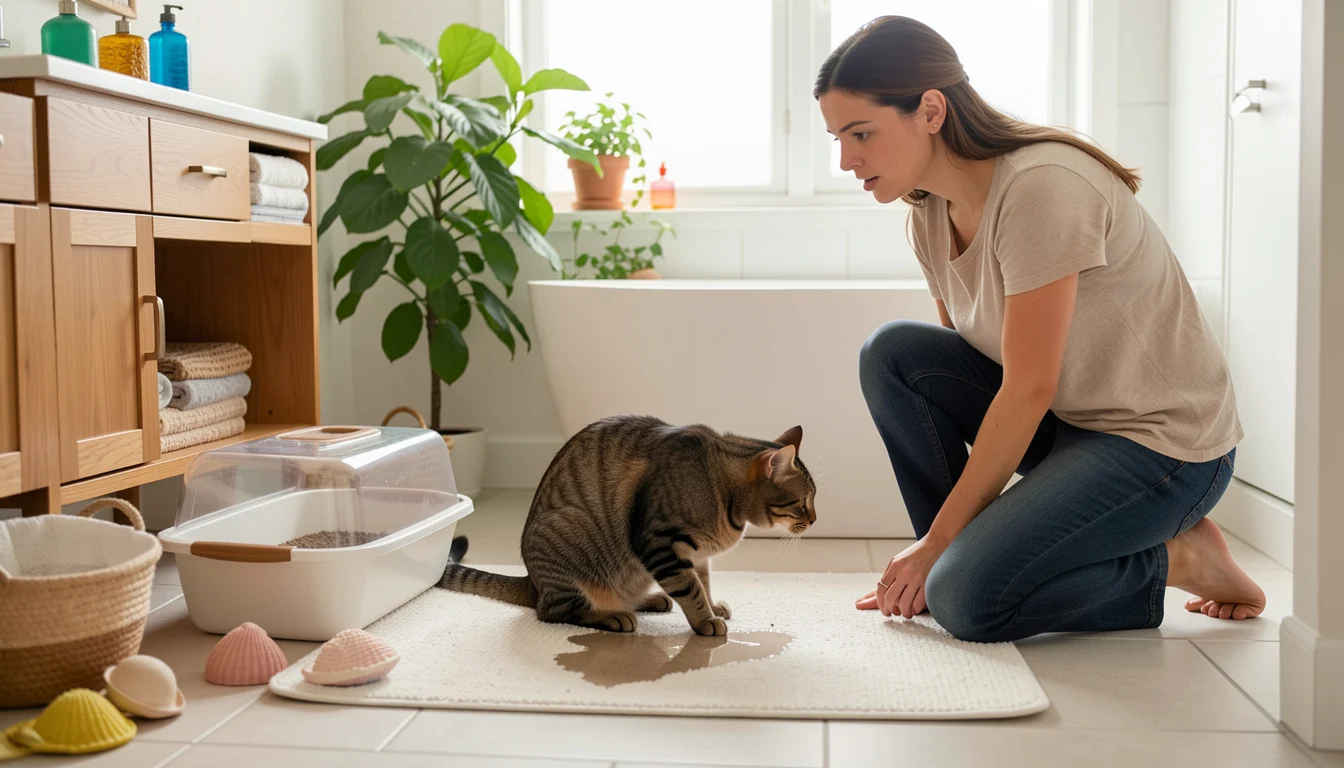 Cat urinates beside the litter box
A cat who urinates on a bath mat or beside the litter box may have a urinary problem, pain, difficulty reaching the box, or a reason to avoid its setup. A cat peeing outside the litter box should be evaluated for medical causes first; changes to the box and home environment can help once urgent illness is addressed.
Straining to urinate, making repeated trips, crying, or producing little or no urine calls for prompt veterinary care. A blockage is an emergency, particularly in male cats. Even when a cat seems fine, a new change in urination deserves attention.
At a Glance
- First step: Contact a veterinarian when the behavior is new or recurring.
- Emergency signs: Straining, pain, frequent attempts, or little to no urine.
- Common causes: Urinary disease, pain, box aversion, or stress.
- Box guideline: A common starting point is one box per cat, plus one extra.
- Cleaning: Use an enzymatic cleaner made for pet urine; avoid ammonia-based cleaners.
Why Your Cat is Peeing Outside the Litter Box
Inappropriate urination, in veterinary terms, means urinating in a place other than the chosen toilet area. It can result from lower urinary tract disease, other medical conditions, pain or mobility limits, litter box aversion, or stress-related marking. The pattern can help guide the next step, but it cannot identify the cause on its own.
Possible cause Clues to notice Useful first response Urinary or other medical condition Frequent attempts, discomfort, blood, increased thirst, or a sudden change Arrange veterinary assessment; seek urgent care for straining or little/no urine Box or litter aversion Urinating near the box, avoiding a covered or dirty box, or favoring a particular surface Review cleanliness, size, litter, location, and access Stress or urine marking Small amounts on vertical surfaces, often after a change or around other cats Reduce triggers and discuss persistent marking with a veterinarian
These clues overlap. A cat may have a painful condition and also develop an aversion to the box after associating it with discomfort. Cornell Feline Health Center’s overview of feline lower urinary tract disease explains why urinary signs need medical attention rather than an assumption of misbehavior.
When Peeing Outside the Box is a Medical Emergency
Repeated straining, frequent attempts that produce only drops, crying in the box, or no visible urine warrants immediate veterinary care. A urinary obstruction can prevent urine from leaving the body and become life-threatening; do not wait to see whether a cat improves overnight.
Blood in the urine, obvious pain, vomiting, weakness, or a sudden decline also calls for urgent advice. If you cannot tell whether urine is coming out, treat that uncertainty seriously and call a veterinary clinic or emergency hospital.
Straining with little or no urine is an emergency sign, not a litter-box training problem.
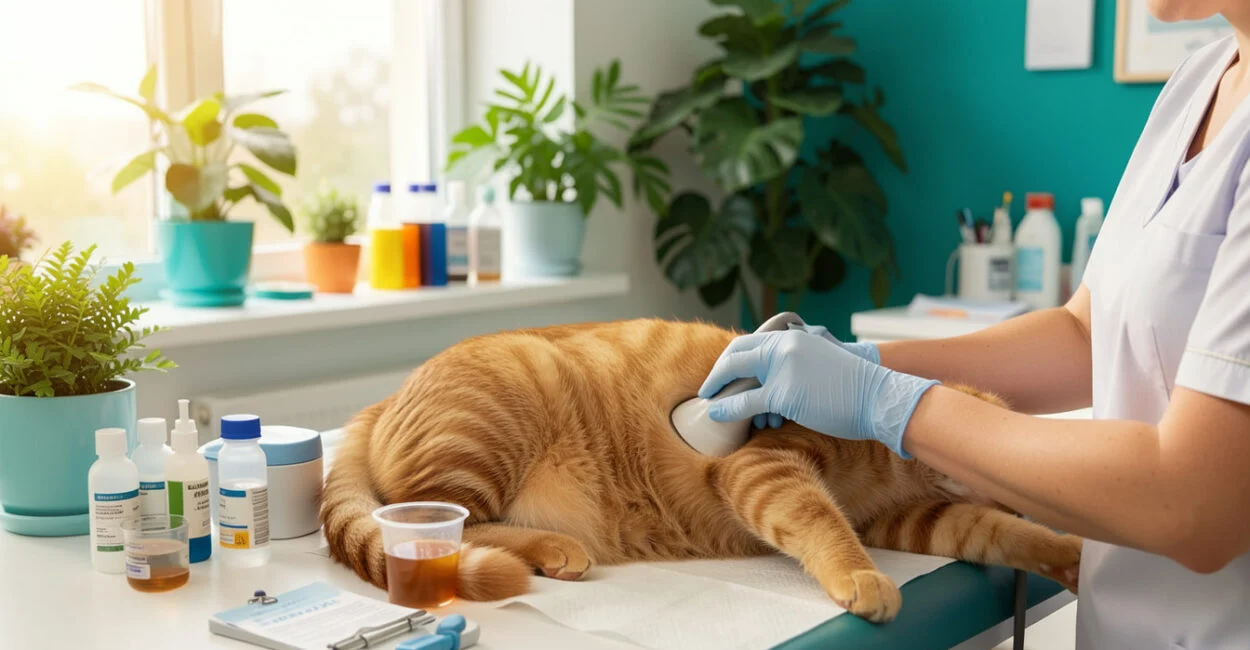
How a Veterinarian Can Find the Cause
A veterinarian will consider the cat’s history and examine them, then may recommend a urinalysis to assess the urine. Depending on the findings, the workup can include a urine culture, blood tests, X-rays, or ultrasound to look for infection, crystals, stones, or other causes. The right tests depend on the cat’s signs and exam.
Tell the clinic when the change began, how often the cat tries to urinate, whether each attempt leaves a normal-sized puddle, and whether thirst or appetite has changed. A photo of the urine spot or a short video of repeated box trips may help describe the pattern, but it does not replace testing.
A cat peeing outside the litter box but acting normal may still have a urinary issue. Cats can hide discomfort, and early signs may be subtle; the subtle health changes veterinarians want cat owners to notice are worth monitoring alongside litter habits.
Litter Box Problems That Can Make Cats Avoid the Box
The best litter box is one the individual cat can enter comfortably, use without feeling trapped, and tolerate in terms of litter texture and scent. Preferences vary, so a practical test is to offer a second clean box with a different setup rather than replacing the cat’s only box all at once.
- Cleanliness: Scoop at least once daily and wash the box regularly with mild soap and water. Strong fragrances can deter some cats.
- Size and design: Choose a box large enough for the cat to turn and dig. A covered box may feel confining; a high-sided one may be hard for a kitten, older cat, or cat with pain to enter.
- Location and access: Place boxes in quiet, easy-to-reach areas. Keep them away from noisy appliances and places where another pet can block the exit.
- Number and separation: A common rule of thumb is one box per cat plus one extra, placed in separate areas when possible. A cluster of boxes in one room may function like a single toilet station.
- Litter preference: Many cats prefer unscented, soft, clumping litter, but no type suits every cat. Avoid sudden changes; offer a separate box to compare options.
Small details matter: a box beside a washer may seem quiet until the spin cycle starts, and a narrow doorway can make a cat hesitate if another animal waits nearby. The AAFP and ISFM Guidelines for Diagnosing and Solving House-Soiling Behavior in Cats discuss environmental and litter-box factors that can contribute to house-soiling.
Stress, Household Changes, and Urine Marking
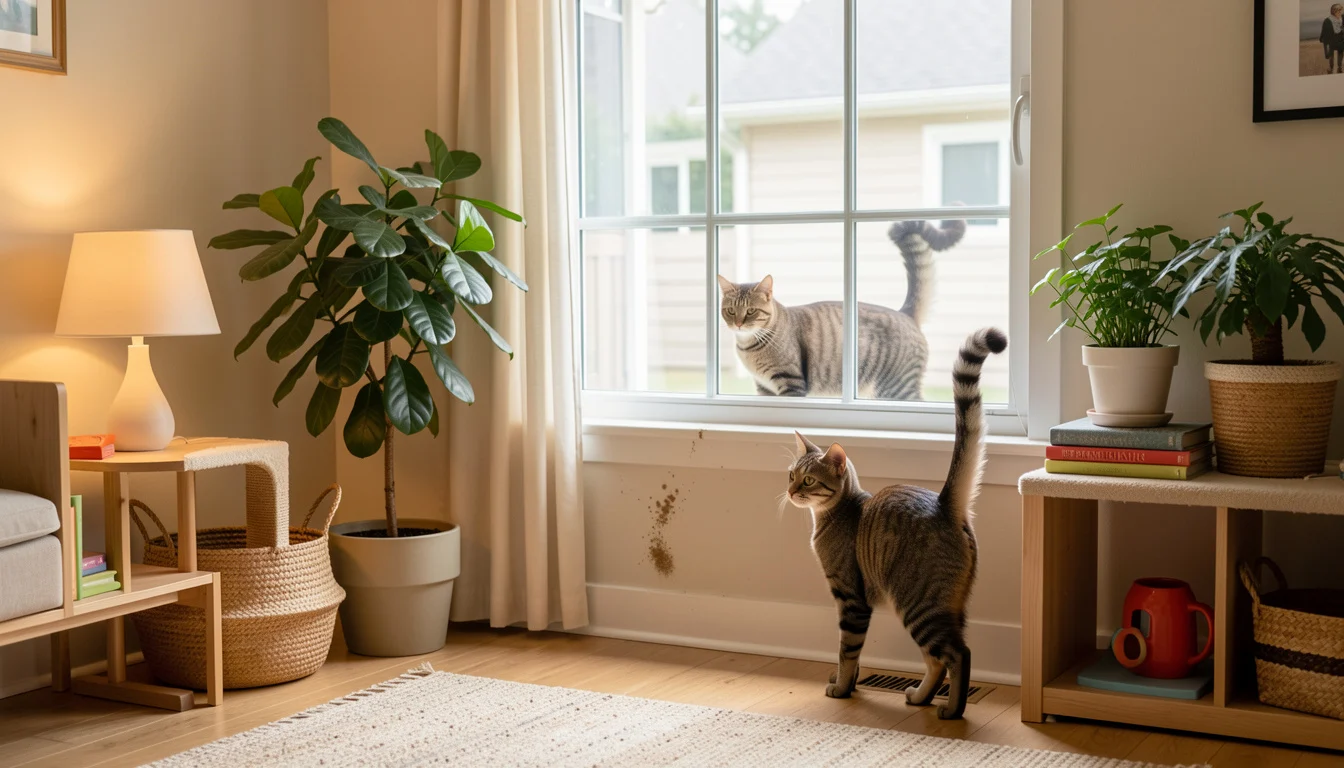
Urine marking is a communication behavior in which a cat deposits a small amount of urine, often on a vertical surface while standing with the tail raised. A full squat and a larger puddle on a horizontal surface more often indicate ordinary urination outside the box, though posture and volume alone cannot confirm the cause.
Common triggers include a new pet or person, a move, changes in routine, outdoor cats visible through a window, or conflict between cats over shared space. A stressful event can also worsen urinary signs, so stress should not be used to rule out illness.
For example, a cat begins leaving small sprays near a front window after neighborhood cats start gathering outside. Blocking the view and making indoor resources easier to reach may reduce the trigger, but a veterinary check still makes sense if the behavior is new or continues.
How to Stop a Cat from Peeing on the Floor
Use this sequence so a medical problem does not get mistaken for a housekeeping issue:
- Check for urgent signs. Straining, pain, or little to no urine means immediate veterinary care. For a new or repeated change without those signs, schedule an exam.
- Improve box access today. Scoop, add a clean box in a quiet location, and make sure the cat can enter and leave without being cornered. If mobility may be a problem, try a low-entry option.
- Reduce competition and stress. Spread food, water, resting places, scratching surfaces, and boxes across the home. Give cats separate routes and retreat spots where possible.
- Clean soiled areas thoroughly. Use an enzymatic urine cleaner according to its label. Residual odor can draw a cat back to the same spot; ammonia-based cleaners may smell urine-like to cats.
- Track what changes. Note the time, location, approximate amount, posture, box conditions, and any household changes. Share the record with the veterinarian.
Avoid punishment and do not restrict water. Both can increase distress or risk without treating the cause. The Merck Veterinary Manual’s guidance on feline urinary disorders can provide background, but diagnosis and treatment need to be tailored by a veterinarian.
Fluoxetine, often known by the brand name Prozac, may be prescribed for some stress-related marking or behavior cases after a veterinary assessment. It does not treat every cause of urination outside the box, and medication should never substitute for checking urinary health or improving the environment.
Special Considerations for Female, Male, and Older Cats
A male cat peeing outside the litter box but acting normal still needs close attention if he strains or produces very little urine, because obstruction is a particular concern in male cats. A female cat peeing everywhere may have a medical condition, box aversion, or stress; sex alone does not explain the behavior.
Older cats may have arthritis or other mobility limits, and conditions such as kidney disease or diabetes can change urination. A low-entry box near the cat’s usual resting area may help with access, but a new increase in urine volume or accidents still merits a veterinary exam.
When an older cat is peeing everywhere, euthanasia should not be inferred from that sign alone. Ask the veterinarian to assess treatable causes, pain, mobility, and overall quality of life before making end-of-life decisions.
Start with the urgency test: if urine is scarce or the cat is straining, seek emergency care; otherwise, arrange a veterinary evaluation and make the box easy to use while you gather observations. A veterinary exam is the decision point that helps separate illness from a setup or stress problem.
📱 See this content as a Web Story
Frequently Asked Questions
Can a Urinary Problem Cause a Cat to Pee on Soft Items?
Yes. A cat may choose bedding, rugs, or laundry because those surfaces are soft or absorbent, but the location does not identify the medical cause. Report the pattern to the veterinarian.
Should I Move the Litter Box to the Spot Where My Cat Urinates?
You can temporarily place a box near a repeatedly soiled area if the location is safe and accessible. Once the cat uses it consistently, ask your veterinarian or a behavior professional how to adjust its position without making the cat avoid it again.
Can I Switch Litter Brands Right Away?
A sudden change can create another reason to avoid the box. Offer the new litter in a separate box and keep the familiar option available while the cat shows a preference.
Is Advice on Reddit Enough to Diagnose the Problem?
Online accounts can suggest questions to ask, but they cannot examine a cat, test urine, or rule out an obstruction. Use personal stories as prompts for discussion, not as a substitute for veterinary care.