
How to Choose Weather-Resistant Outdoor Wall Art
How to select outdoor wall art by assessing sun, rain, humidity, wind, and salt exposure, matching materials and mounting to your wall’s exact outdoor condit…
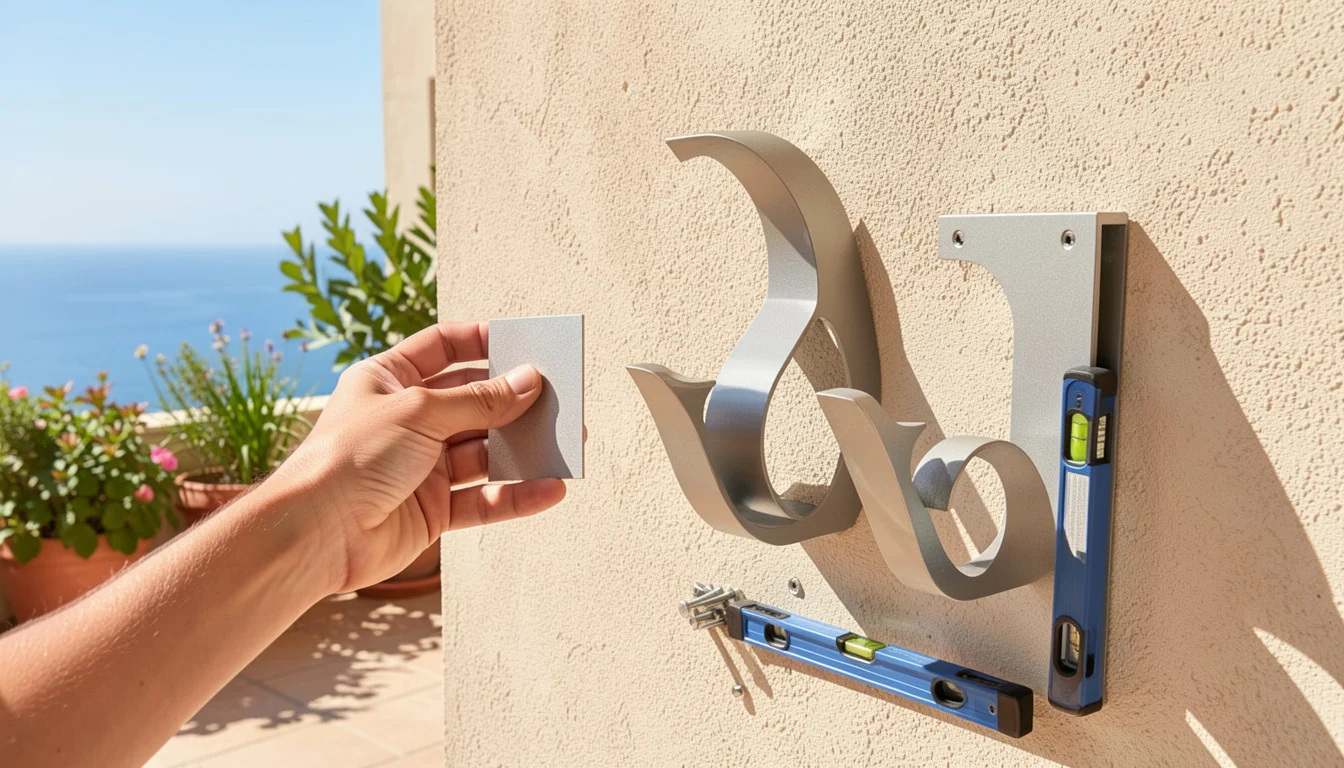 Choosing art for coastal weather
A sunny wall can fade a piece of art; a sheltered wall in a coastal town can still expose it to salt-laden moisture. Choose outdoor wall art by matching its material, finish, and mounting method to the exact spot where it will hang. Product labels help, but the details behind those claims determine whether a piece suits your climate.
Start by noting how much direct sun, rain, wind, and salt air the wall receives. Then compare the product’s construction and care instructions with those conditions before you buy.
What to Know Before You Choose
- A covered porch and an exposed garden wall create different levels of weather stress, even in the same yard.
- Metal can rust when water reaches vulnerable areas such as cut edges, scratches, or mounting holes.
- “Waterproof,” “weatherproof,” and “UV-resistant” are product claims that need supporting specifications, not interchangeable guarantees.
- Large pieces need mounting hardware suited to both the art and the wall, with wind exposure considered.
Choose Outdoor Wall Art by Exposure: Sun, Rain, Humidity, Wind, and Salt Air
For outdoor wall art, the best choice is the piece whose materials, finish, and mounting suit the wall’s actual exposure. Check whether the location gets direct afternoon sun, wind-driven rain, persistent humidity, or coastal salt spray. A sheltered porch may suit more materials; an uncovered wall calls for stronger evidence of weather protection and a secure mounting plan.
Exposure can change across a single wall. An overhang may keep rain off the center of a piece while water still reaches its lower edge, and a west-facing wall can receive intense afternoon sun. Look for drip paths, nearby sprinklers, and places where water could collect behind or beneath the artwork.
Wind matters even when the artwork itself is not heavy. A large flat panel can catch gusts, while a sculptural piece may have projecting parts that put extra strain on its fasteners. Salt air adds another concern: deposits can remain on a surface and accelerate corrosion if they are not rinsed away.
For a broader view of local heat, rainfall, and seasonal patterns, check NOAA’s U.S. Climate Normals. These regional summaries help frame the climate, but they cannot tell you how much wind-driven rain reaches one specific wall.
Compare Materials for Outdoor Wall Art
No single material works best in every climate. The finish, construction, and location can matter as much as the material itself.
Material Strengths Watch for Care considerations Metal Works well for slim silhouettes and sculptural designs; offers a broad range of finishes. Steel may rust where coatings are damaged. Aluminum resists rust, but its surface and fasteners can still corrode or stain. Check edges, joints, and mounting points; clean away grime and coastal residue as directed. Treated or sealed wood Natural grain suits rustic and garden settings; pieces can often be refinished. Moisture can cause swelling, checking, or decay if water enters exposed end grain or joints. Inspect for finish wear, cracks, and water trapped against the back; follow the maker’s recoating instructions. Resin Can be molded into detailed forms and is often lighter than ceramic or stone. UV exposure may fade or embrittle some formulations; thin sections can be vulnerable to impact. Use only cleaners approved for the surface and check the product’s stated UV performance. Ceramic Glazed surfaces can be easy to wipe clean and offer color that suits courtyards and covered walls. Impact can chip or crack it; water entering cracks may be a concern in freezing conditions. Check for chips and follow the maker’s guidance for freeze-thaw exposure and winter storage. Glass or acrylic Can add color and reflect light without the weight of some solid materials. Glass can break; acrylic may scratch or discolor depending on its formulation and finish. Confirm outdoor suitability and use a soft cloth to avoid scratching.
For wood, the USDA Forest Products Laboratory’s Wood Handbook explains how moisture affects wood and why exposed surfaces need protection. That general guidance does not replace the care instructions for a particular species, adhesive, or finish.
Metal can rust, particularly when a coating is scratched or water reaches seams and cut edges. A rust-resistant alloy or coating reduces risk, but the product’s construction and maintenance still matter. In a salt-air location, ask whether the maker specifies coastal use and how to clean the piece.
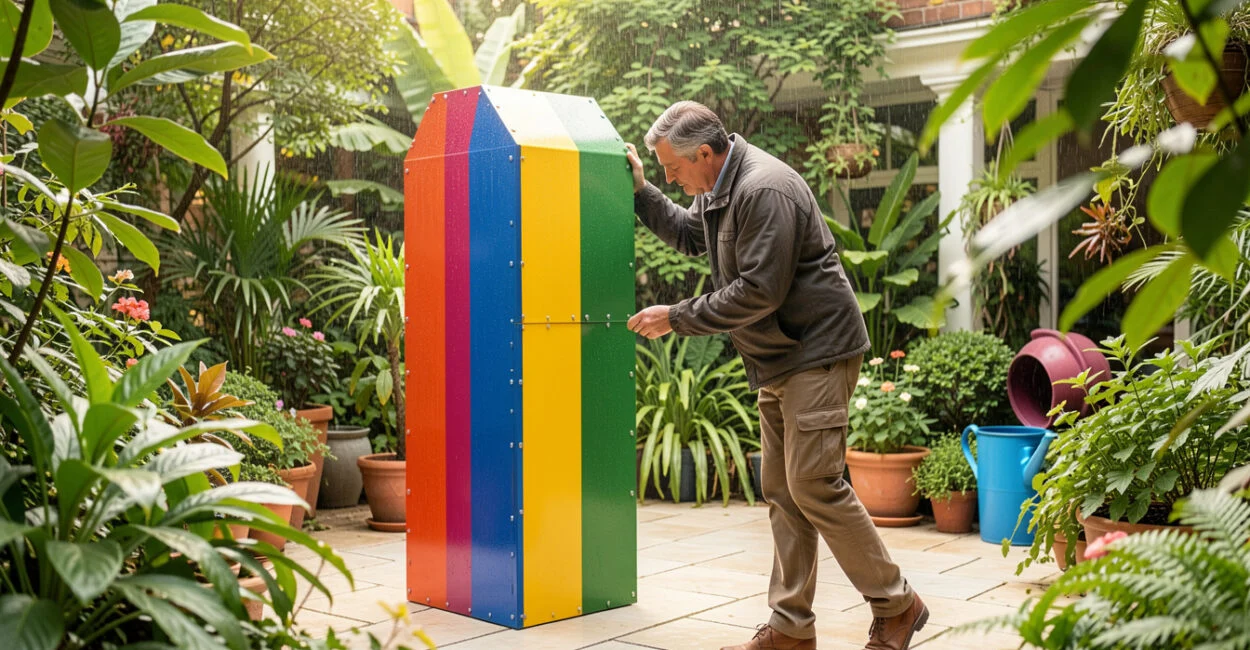
Check the Finish and What “Weatherproof” Really Means
“Weatherproof” is not, by itself, a universal performance rating for outdoor art. Ask what the product is designed to resist, how that protection is tested, and whether the claim applies to the whole piece, including its back, edges, joints, and hardware.
UV resistance concerns damage from ultraviolet exposure, which can fade colors or weaken some plastics and coatings. Water resistance describes how a product handles moisture under stated conditions. “Waterproof” may imply a stronger barrier, but without a defined test or use condition it does not tell you how the piece will perform under prolonged rain, standing water, or freeze-thaw cycles.
For coated metal, a named specification is more useful than a vague “outdoor grade” claim. The AAMA 2604 and AAMA 2605 specifications address performance requirements for architectural paint coatings on aluminum extrusions and panels; they are not a blanket certification for every kind of wall art or for its mounting hardware. Ask the seller which coating is used and what documentation supports the claim.
Read also: Low-Maintenance Outdoor Living Wall Designs
A finish protects only the surfaces it covers, so inspect the edges, back, joints, and fastener holes as carefully as the front.
When a listing omits the coating type, UV information, or care instructions, treat that as missing evidence rather than proof that the item will fail. It may still suit a sheltered wall, but the uncertainty matters more for an exposed, high-sun, or coastal installation.
Read also: Best Outdoor Poufs for Garden and Patio Decor
Size and Design: Fit the Wall Before Buying
Large outdoor wall art needs to be judged from the viewing distance as well as the wall dimensions. Measure the clear area between doors, lights, windows, trim, and furniture; then compare it with the artwork’s full dimensions, including any protruding elements.
For large outdoor wall decor, confirm the weight and the location of the mounting points before ordering. A broad, light panel may catch more wind than a compact, heavier piece, so weight alone does not determine whether a design is easy to secure. Check whether the art can sit close to the wall without blocking drainage or making the back impossible to inspect.
Design also affects visibility and upkeep. Intricate openwork can cast appealing shadows but may collect leaves or cobwebs; a glossy surface can reflect strong sun toward seating. If you’re planning a coordinated entertaining area, these rustic backyard decor ideas for entertaining guests can help you consider how wall accents relate to the rest of the space.
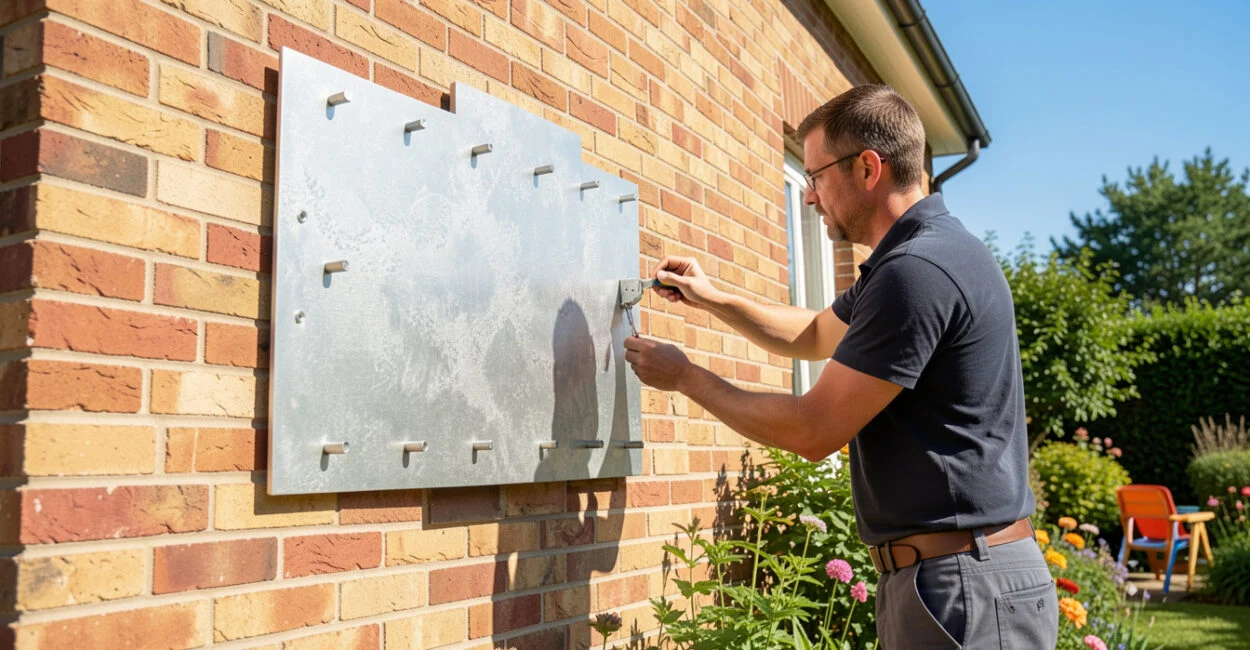
Plan Safe Mounting for the Wall and Climate
Large or projecting art needs a mounting plan that matches the artwork’s weight, shape, wall construction, and wind exposure. Follow the manufacturer’s installation instructions, and do not assume that screws supplied with a piece will suit every siding or masonry wall.
- Identify the wall: Brick, concrete, wood framing, and hollow siding require different fasteners. Avoid relying on thin siding or trim as the sole support for a heavy piece.
- Check the hardware: Confirm the recommended fastener type, quantity, spacing, and load guidance. In damp or coastal settings, select compatible corrosion-resistant hardware and avoid mixing metals in ways that can promote galvanic corrosion.
- Account for wind: Use all specified attachment points, keep the piece from rocking, and seek qualified installation advice if the wall, fastener capacity, or wind load is unclear.
- Protect drainage: Leave enough clearance for water to drain and air to circulate behind the art. Do not seal the piece tightly against a wall if the maker’s instructions call for a gap.
A common installation mistake is fastening only the upper corners of a wide panel. The lower edge can then lift or rattle in gusts, stressing the fasteners and the wall. Use the specified mounting points and verify that the installed piece cannot swing or tap against the siding.
Use a Buyer’s Checklist Before You Order
Product photos rarely show enough to judge outdoor performance. Before ordering, check the listing or ask the seller for these specifics:
- What are the base material, coating or sealant, and construction details?
- Does the maker approve the piece for the exposure I have: full sun, direct rain, high humidity, or coastal air?
- What do “weatherproof,” “waterproof,” or “UV-resistant” mean for this product, and what test or specification supports the claim?
- What are the dimensions, weight, depth, and exact mounting-point locations?
- Which fasteners are included, and what wall types and installation methods does the maker approve?
- What cleaning products and maintenance steps are allowed?
- What does the warranty cover, and are fading, corrosion, water damage, or coastal use excluded?
For a piece described as large weatherproof outdoor wall decor, confirm both the protection claim and the mounting details in writing. A broad “outdoor use” label may not cover years of direct exposure or a particular coastal environment.
Keep Outdoor Wall Art Looking Its Best
Clean outdoor decor according to the material and finish instructions. For routine upkeep, remove loose dust and debris with a soft cloth or brush; use mild soap and water only if the manufacturer permits it. Avoid abrasive pads and strong cleaners unless the maker confirms they are safe for that finish.
Inspect the art and its mounts periodically, especially after severe weather. Look for bubbling or chipped coating, rust near joints, loose fasteners, cracked glaze, wood finish wear, or water trapped behind the piece. If you find movement or damage, take the art down safely before the problem worsens.
In places with freezing winters, seasonal storage can help protect ceramic, glass, or delicate pieces if the manufacturer recommends it. Store items dry and supported so they cannot knock against one another. For wood, the USDA Wood Handbook offers useful background on moisture and material behavior, but the product’s own finish instructions should guide its maintenance schedule.
Before buying, write down the wall’s exposure, measure its usable area, and identify what it is made of. Then compare those facts against the material, finish, and mounting specifications for each piece; if a seller cannot answer the key questions, choose a better-documented option or reserve that design for a more sheltered spot.
📱 See this content as a Web Story
Frequently Asked Questions
Can I Hang Indoor Art Outdoors If It is Under a Covered Porch?
Only if its materials and finish can tolerate the porch’s actual conditions. Wind-driven rain, humidity, condensation, and indirect sun can still damage indoor-only pieces.
Does a Powder-Coated Finish Mean Metal Art Will Never Rust?
No. Powder coating can protect a metal surface, but scratches, chips, exposed edges, or poorly protected joints may allow corrosion to start. Ask about the metal substrate and repair guidance as well as the coating.
Can I Paint Outdoor Wall Art to Improve Its Weather Resistance?
Possibly, but the paint must bond with the existing surface and suit the base material and exposure. Check the maker’s warranty and preparation instructions first; adding paint may void coverage or trap moisture in wood.
Should Outdoor Wall Art Touch the Siding?
Follow the maker’s mounting guidance. Some pieces need a small gap for drainage and airflow, while others are designed to sit close to the wall; avoid creating a pocket where water can collect.
Is a Rust-Resistant Metal Always a Good Choice Near the Ocean?
Not automatically. Coastal salt exposure can affect coatings, fasteners, and nearby dissimilar metals, so look for explicit coastal-use guidance and a maintenance plan for the complete assembly.
Can Solar-Powered Outdoor Sun Decor Stay Outside Year-Round?
That depends on the product’s materials, electrical components, and stated temperature and weather limits. Check whether the maker specifies outdoor use for the full piece, not just its solar panel.