
Graywater Systems for Gardens: What Homeowners Should Know
A greywater system for a garden reuses eligible household water. Learn which sources may qualify and how soil-level delivery, product ingredients, and local...
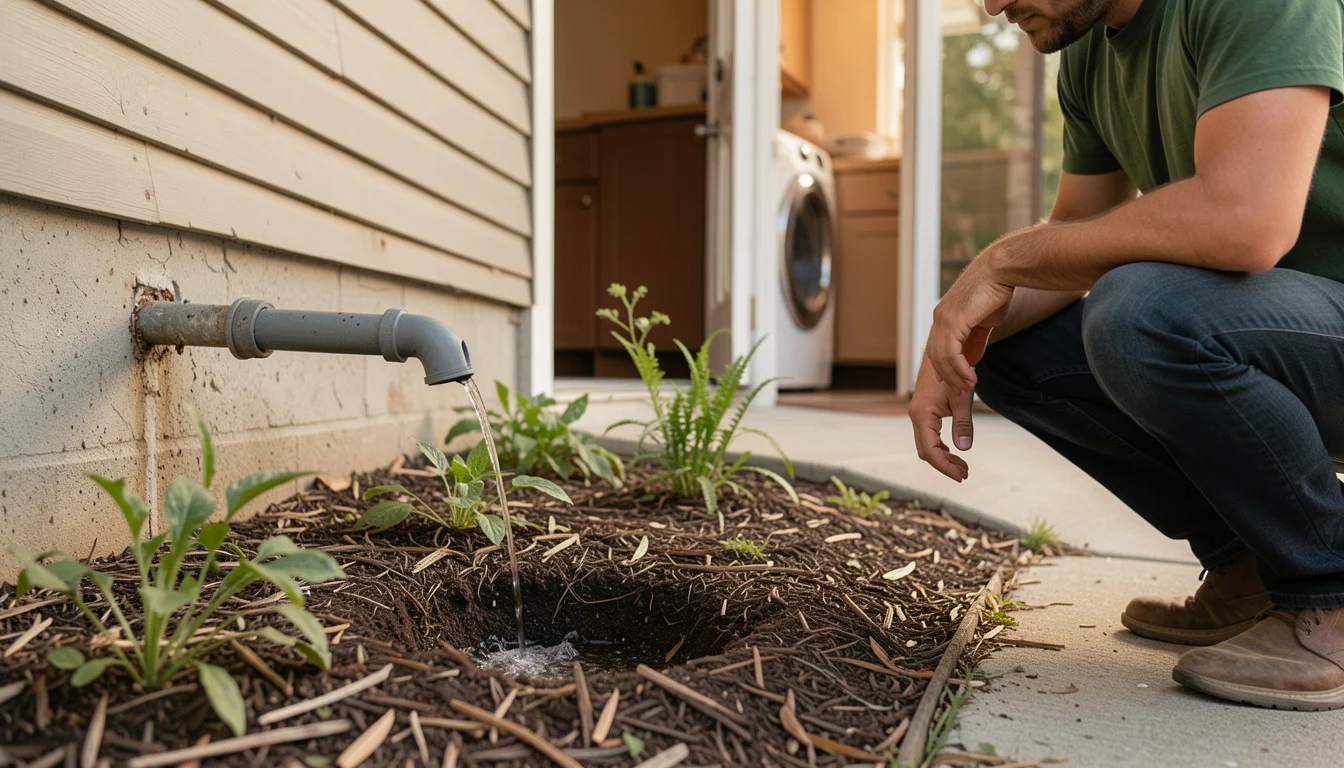 Home greywater soaking into garden soil
A shower can send usable water down the drain while nearby garden beds need irrigation. A greywater system for a garden captures wastewater from eligible household sources and routes it to the soil. It can reduce demand for fresh water, but safe use depends on local rules, the water’s ingredients, and how the system delivers it.
Greywater reuse is separate from rainwater harvesting: it reuses selected household wastewater rather than collecting precipitation. Before choosing equipment, identify which sources your local rules allow and whether your garden can take the water without runoff or pooling.
Key Takeaways
- Shower, bath, bathroom-sink, and laundry water may be eligible, depending on local rules and system design.
- Toilet wastewater is blackwater and does not belong in a garden greywater system.
- Soil-level delivery helps limit contact with people and edible plant parts.
- Household product ingredients can affect plant health and soil over time.
- Check local requirements before changing plumbing or directing water outdoors.
What a Greywater System for a Garden Does
A greywater system collects and redirects wastewater from selected household sources for reuse, often in irrigation. It routes that water to a garden instead of sending it directly to the sewer or septic system. Some systems divert water with little processing; others include filtration or treatment. In plain terms, they reuse certain household water by delivering it to soil rather than treating it as drinking water.
Greywater, graywater, and grey water are spelling variants, but legal definitions can differ by jurisdiction. The U.S. Environmental Protection Agency describes water reuse as the beneficial use of water that would otherwise be discarded; its water reuse overview provides broader context. A home garden system still needs to meet the rules that apply where the property is located.
Which Household Water Can Be Reused?
Showers, baths, bathroom sinks, and laundry are common potential sources, but eligibility depends on local definitions and the system design. Kitchen wastewater often receives different treatment or is excluded because grease, food scraps, and stronger cleaning residues can create added problems.
Toilet wastewater is blackwater, not greywater, and should not enter a greywater garden system.
Household source Greywater status or consideration Garden-use note Shower or bath Often considered a potential source, subject to local rules. Personal-care products and cleaners travel with the water. Bathroom sink May qualify; local definitions and plumbing design matter. Toothpaste, soap, and other residues can affect suitability. Laundry Often considered, though rules and system designs vary. Detergent ingredients, bleach, and fabric treatments matter. Kitchen sink or dishwasher May be restricted or handled differently. Food particles and grease can raise clogging and sanitation concerns. Toilet Blackwater, not greywater. Do not route it to a greywater garden system.
For household water conservation beyond reuse, see these ways to reduce water use without major renovations. Using less water at the source can change how much wastewater is available for irrigation.
Can Greywater Be Used for Garden Irrigation?
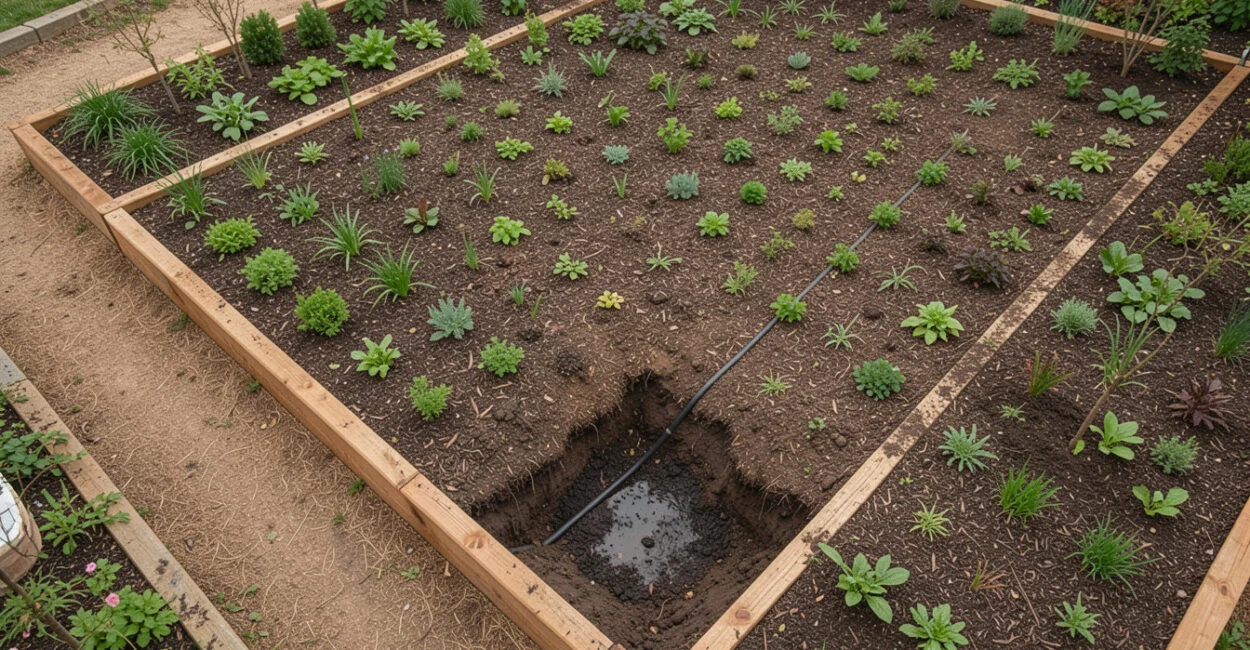
Yes, greywater can be used for irrigation in some circumstances when the source, system, application method, and local requirements are appropriate. Garden reuse generally means applying water to soil, not spraying foliage or creating contact with people. Keep it away from edible plant parts, and follow local guidance for food gardens. Suitability also depends on soil drainage, slope, the plants being watered, and the products that enter the drain. A slow-draining bed may pool even when a system works well elsewhere. If water could run onto a path, play area, neighboring property, or toward a waterway, the site may need a different design or may not be suitable.
For garden use, greywater belongs in the soil, where the site can absorb it without runoff or direct contact.
Choose a System and Application Method
System choice depends on the plumbing route, landscape, and local code. A simple diversion system may send eligible water toward a designated garden area; a system with treatment or filtration adds components intended to manage water quality or debris. Neither approach suits every property, and added treatment does not automatically make water safe for every use.
Read also: How to Manage Garden Pests Without Broad-Spectrum Pesticides
Approach What it does Main consideration Simple diversion Routes eligible household water to a reuse area with limited processing. Requires an appropriate source, route, and application area under local rules. System with treatment or filtration Uses additional components to filter or treat water before delivery. Design, upkeep, and permitted uses depend on the system and jurisdiction. Soil-level or subsurface delivery Places water at or below the soil surface rather than spraying it into the air. Must distribute water without clogging, pooling, or unintended exposure.
Gravity may move water where the plumbing and garden elevations allow it; other layouts need a pump or different components. Plumbing changes and system design may require permits or review by a qualified professional. The Colorado State University Extension overview of graywater systems offers additional practical context, but local requirements take priority.
What Greywater Should Not Be Used For
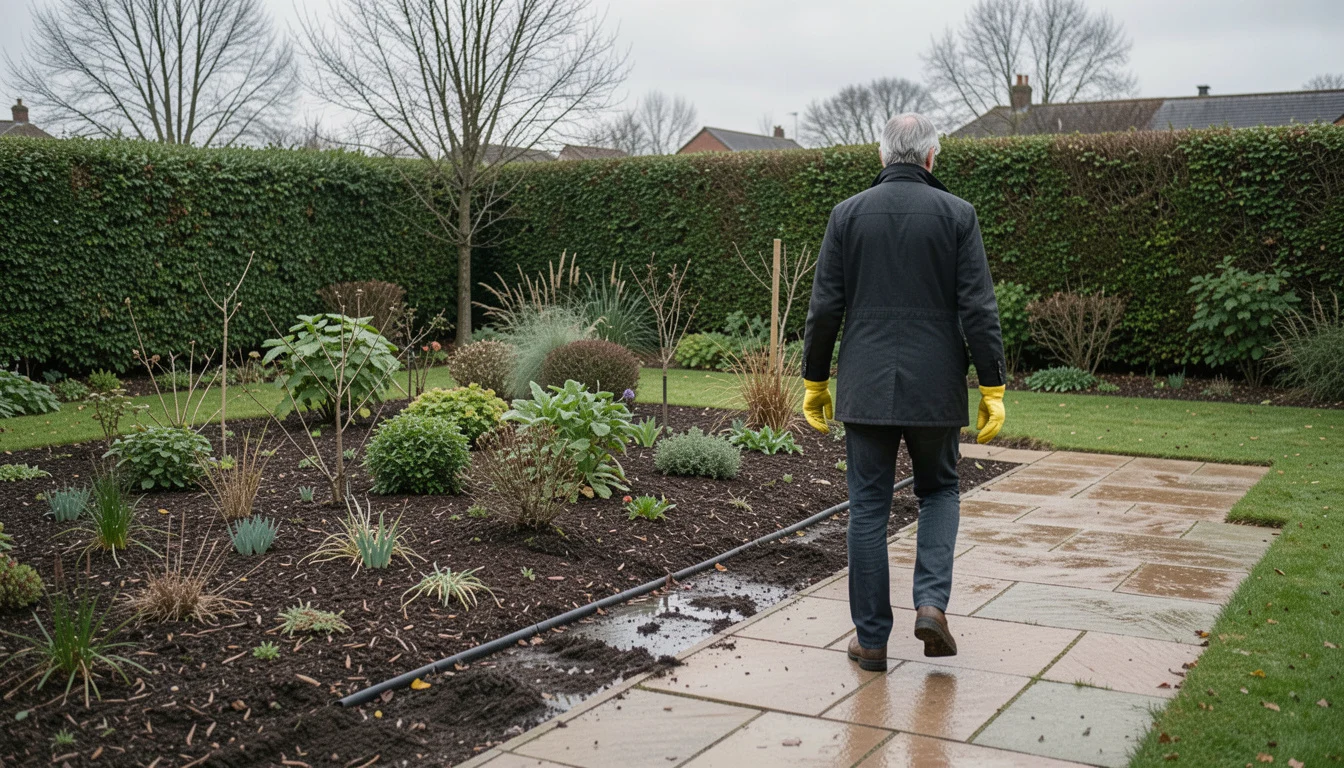
Greywater is not drinking water, and a household source does not make it sterile or suitable for other uses that require potable water. Avoid spraying or misting untreated water, letting it flow onto paths or play areas, or allowing runoff to leave the property. Never direct toilet wastewater into this type of garden system.
Kitchen water may be restricted or require different handling. Before irrigating food crops, placing a system near a well, or choosing a site where water might reach a neighboring property or waterway, check current local guidance. Rules on permits, setbacks, treatment, and approved uses vary, so a design that is allowed in one place may not be allowed in another.
Products, Maintenance, and Everyday Safeguards
Choose laundry and personal-care products with garden reuse in mind. Salts, sodium, boron, bleach, and other ingredients can harm certain plants or affect soil when exposure is high or repeated. “Greywater-safe” on a product label is a useful starting point, not a guarantee that the product suits every plant, soil, or local system.
A practical detail that can prevent a frustrating failure: screens and filters, where fitted, can clog with lint or debris, while a poorly placed outlet can create a wet patch even when the rest of the bed stays dry. Inspect the system for leaks, odors, clogging, and pooling, and keep filters clear as the manufacturer or installer directs.
Do not store untreated greywater for extended periods. Follow local guidance for handling and any storage limits; there is no universal time rule to apply across all systems and jurisdictions. Keep a fallback plan, such as switching the plumbing back to its normal route or pausing reuse when maintenance, weather, or site conditions make irrigation unsuitable.
Is a Greywater System Worth It for Your Home?
It may be worthwhile when the household has eligible water sources, the garden can accept water safely, and installation and maintenance fit the home’s needs. It may be a poor fit if local rules prohibit the intended use, the household produces little suitable wastewater, or a safe distribution route is impractical. Water conservation is a possible benefit, not a guaranteed reduction in a water bill.
- Confirm local rules and whether a permit or professional review is required.
- Identify household sources that qualify under those rules.
- Check whether the garden can absorb water without runoff or pooling.
- Review product ingredients that will enter the system.
- Plan for maintenance and downtime when water cannot be reused.
- Compare installation and upkeep with your household’s water needs.
For example, a household may have a convenient laundry route but a garden bed that sits below a slope and stays wet after rain. That layout calls for a site assessment before installation, since water could collect rather than soak in. If rainwater is also part of the plan, compare the two approaches using this beginner’s guide to rainwater harvesting for garden use.
Start by checking your city, county, or state requirements, then map eligible plumbing sources and the proposed garden area. That sequence can rule out an unsuitable plan before you spend money on equipment or plumbing work.
📱 See this content as a Web Story
Frequently Asked Questions
Can Greywater Damage Soil over Time?
It can, depending on repeated exposure to salts, sodium, boron, or other ingredients in household products. Plant response and soil conditions vary, so review product labels and local extension guidance when choosing products and irrigation areas.
Do I Need a Pump for a Garden System?
Not always. Gravity may work if the plumbing route and elevation suit the layout; other sites may need a pump or another design reviewed against local code.
Can a Greywater System Serve a Vegetable Garden?
That depends on local rules, the delivery method, and which parts of the crop could contact the water. Check official local guidance before using greywater around food crops, and keep it away from edible plant parts.
Can I Combine Greywater Reuse with Rainwater Harvesting?
Some properties use both, but they are separate systems with different sources and design needs. Each must follow applicable local requirements, and their plumbing should not be connected in a way that risks cross-contamination.
What Should I Do When the Garden is Saturated?
Pause or redirect the flow according to the system design rather than allowing water to pool or run off. A usable diversion system needs a safe fallback route for wet weather and maintenance periods.
Does a Treatment or Filtration Unit Make Greywater Potable?
No. A household greywater treatment or filtration component does not by itself make water suitable for drinking. Use it only for purposes specifically allowed by local rules and the system’s design.