
How to Choose a Water Filter to Reduce Bottled Water Use
Compare water filter alternatives by verified contaminant claims, installation and upkeep to match a pitcher, tap or whole-house system to your water test.
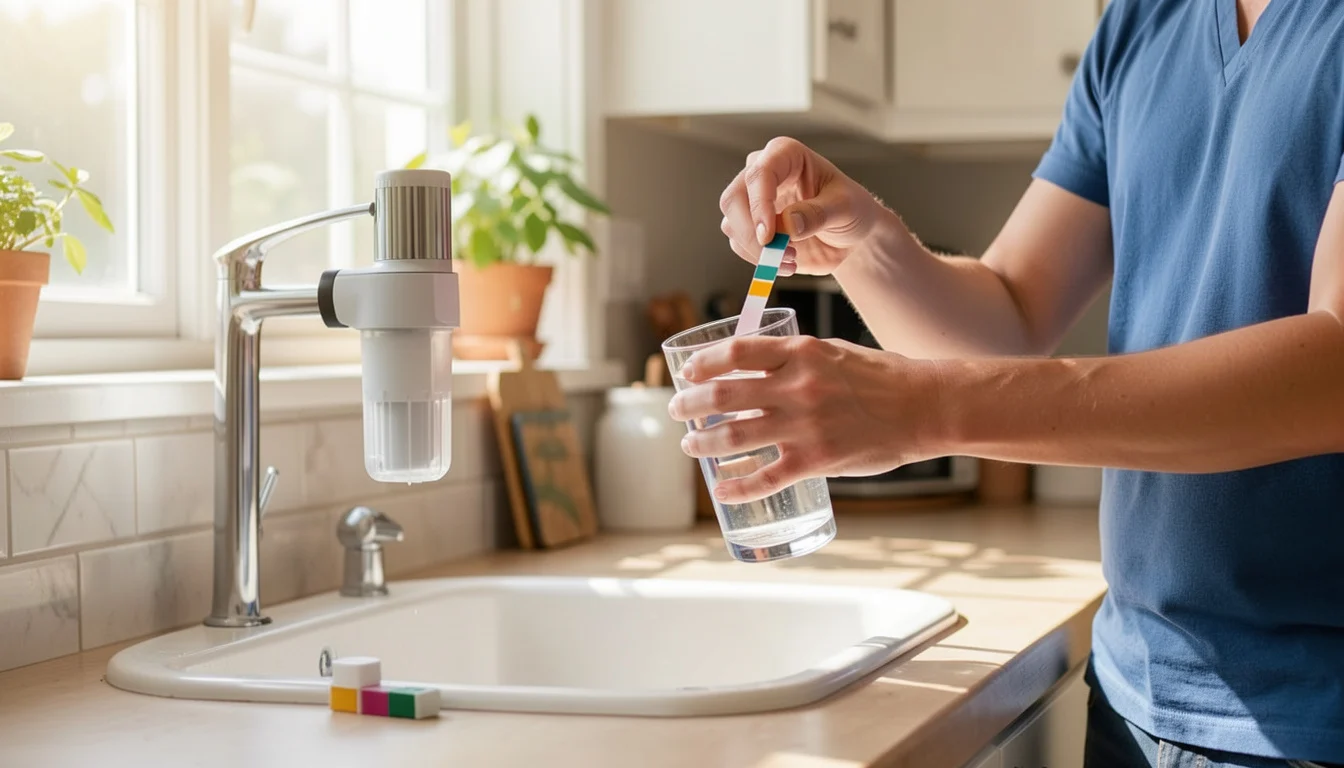 Testing water, refilling a glass
Choosing a household water treatment system can cut your reliance on bottled water, but the right option depends on what is in your water and how you use it. Compare verified contaminant-reduction claims, installation requirements, treated-water access, and upkeep before choosing a pitcher, faucet filter, under-sink unit, or whole-house system.
Water Filter Alternatives: Which Should You Choose?
Choose a pitcher or countertop system if you need a portable option for drinking water and its verified claims match your water concerns. A faucet-mounted or under-sink system may suit households that want treated water at a tap. Consider whole-house treatment when testing points to a need across multiple outlets. Start with water quality, not product labels.
The key difference is the scope of treatment: some systems serve one drinking-water outlet, while whole-house systems treat water as it enters or moves through the home. None is automatically best for every contaminant, and boiling or improvised methods cannot replace a properly selected treatment system.
Option Installation and access Typical fit Main limitation Pitcher or countertop Usually portable; refill or connect as the model requires Renters and drinking-water use Capacity and claims vary by model Faucet-mounted Attaches to a compatible faucet Treated water at one tap Faucet compatibility and performance vary Under-sink Uses a dedicated outlet or configured plumbing connection Regular access to treated drinking water May need plumbing work and scheduled maintenance Whole-house Installed where water enters or is distributed through the home Treatment at multiple household outlets Needs must be supported by testing and system design Boiling or improvised methods No filter installation Limited, situation-specific use Does not remove chemical contaminants or reliably make unsafe water safe
Start with Your Water Source and Test Results
Municipal water customers can review their local water-quality report; private-well users should arrange testing suited to their well and location. The EPA’s guidance on private wells explains why well owners need to take responsibility for testing and maintenance. If results show a concern, use them to identify the treatment target before shopping.
Clear water that tastes fine can still contain substances that are not visible or detectable by taste. Conversely, an unpleasant taste or odor does not by itself identify a health hazard. If the problem is taste, a product verified for that purpose may be sufficient; a health-related concern calls for a matching reduction claim, not a broad “better-tasting” promise.
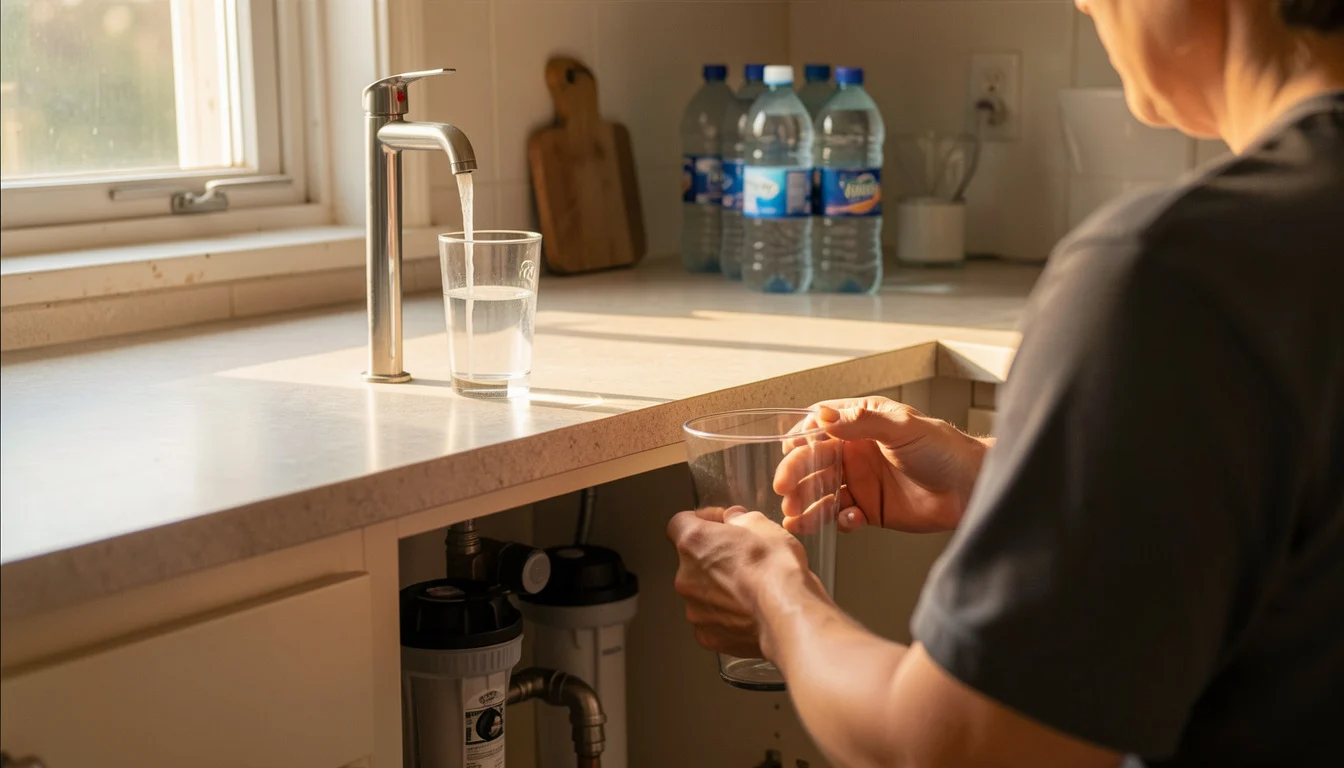
Compare Pitcher, Tap, Under-Sink, and Whole-House Systems
Pitchers and Countertop Systems
A water filter pitcher or countertop unit offers point-of-use treatment with little or no permanent installation. Capacity, refill frequency, flow, and cartridge replacement vary by model. Search phrases such as best water purifier pitcher do not guarantee that a pitcher removes every hazard; check the exact product’s verified claims.
Faucet-Mounted and Under-Sink Systems
Faucet-mounted units attach to a compatible tap, while under-sink systems treat water at a dedicated outlet or through a configured plumbing connection. A water filtration system for sink may provide more convenient access than a pitcher, but faucet fit, installation, output, and upkeep depend on the model.
Whole-House and Well-Water Systems
A water filtration system for whole house treats water at the point where it enters or is distributed through the home. That scope may make sense for a documented issue affecting multiple uses, but it is not automatically needed to address drinking-water concerns alone. Choose a water filtration system for home or a water filtration system for well water based on test results and system design, and seek qualified guidance when results show a treatment need.
Gravity-Fed Systems and Non-Filter Methods
Gravity-fed products, including products marketed as a Berkey water filter, need the same scrutiny: verify independent performance evidence or certification for the exact model and contaminant. Boiling can disinfect water against certain biological risks, but it does not remove chemical contaminants. Settling, cloth, and improvised methods may reduce visible particles in limited circumstances; they do not reliably make unsafe water safe.
Match the Treatment to the Contaminant
Water treatment is the use of a process to reduce or inactivate specified contaminants; in plain terms, a system only does what its tested design and claims support. Filtration and disinfection are different functions, and a product described as a “purifier,” “advanced,” or “multi-stage” does not automatically address every hazard.
Check the exact model’s reduction claims and applicable certification or independent verification. A claim about taste or odor does not establish reduction of a health-related contaminant. The CDC’s boil-water advisory guidance is relevant when officials issue an advisory: follow public-health instructions rather than assuming a consumer filter is an approved substitute.
There are limits to a general recommendation. Treatment needs depend on the contaminant, its level, the water source, and how the system is installed and maintained; a product suitable for one water supply may be unsuitable for another.
Weigh Convenience, Maintenance, and Waste
Pitchers and countertop systems can suit renters or smaller households that want drinking water without plumbing changes. Faucet and under-sink systems may be more convenient when a household uses treated water often. Whole-house treatment can serve multiple outlets, but adds installation and system-design considerations. There is no universal winner for convenience or cost over time.
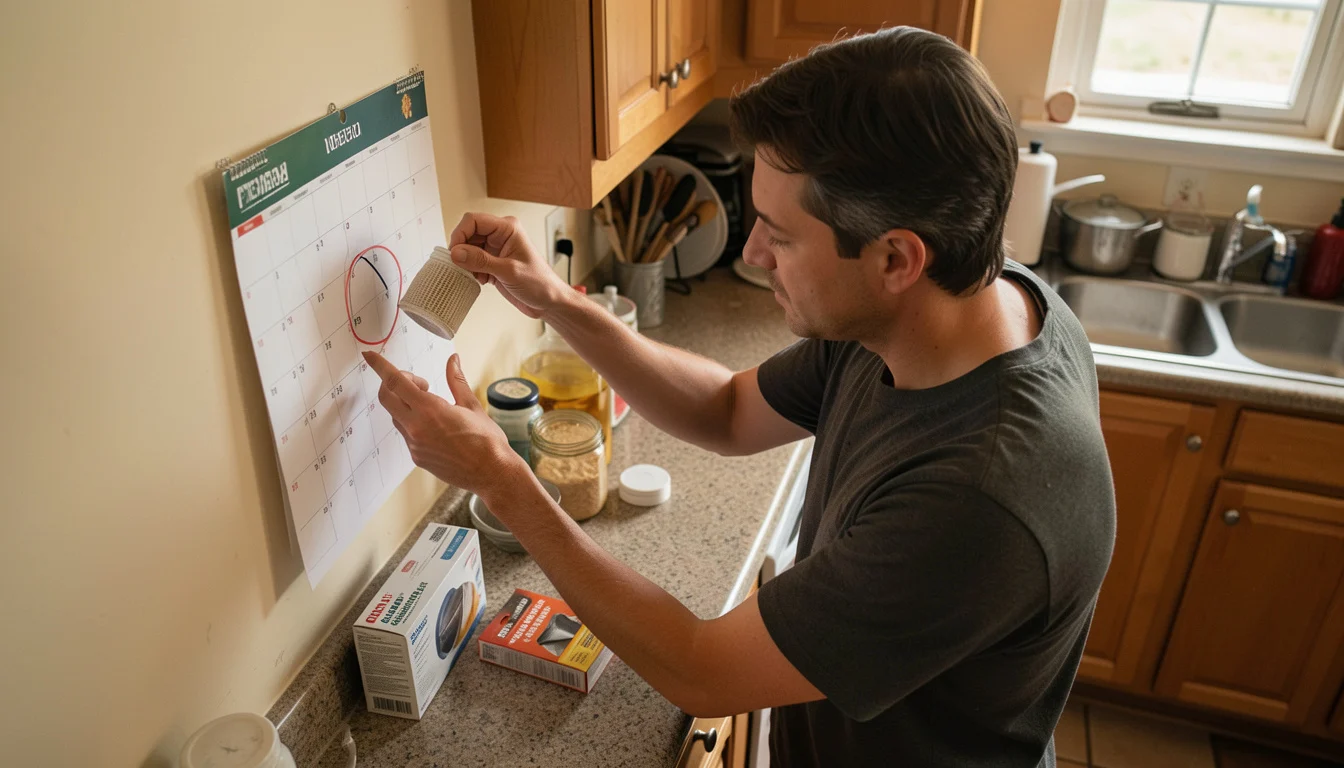
Maintenance affects performance. A common practical mistake is to keep using a cartridge past the manufacturer’s schedule because the water still tastes normal. Taste is not a reliable replacement-change indicator; record the installation date, check the stated replacement interval, and confirm that the correct cartridge is available before buying.
Compare the system’s purchase and installation needs with the ongoing cost of replacement parts, cleaning, or media changes. Also compare its practical capacity with your household’s bottled-water use. Filters can create spent-cartridge waste, so claims about environmental benefits depend on the product, replacement routine, and bottles actually displaced. For broader purchasing considerations, see these tips for choosing durable, lower-impact products.
How to Choose and Set Up a System
- Identify the source: municipal water or a private well.
- Review or test it: consult the local report or arrange appropriate well-water testing.
- Define the treatment need: specify the contaminant or water-quality issue to address.
- Verify the exact model: confirm its relevant certification or independently verified claim; a brand name or product family is not enough.
- Check fit and upkeep: confirm installation compatibility, replacement-part availability, and the manufacturer’s maintenance instructions.
- Compare capacity with use: estimate how much treated water your household needs for drinking and cooking, then compare that with your bottled-water routine.
Before choosing whole-house equipment, check whether the test results justify treating water at multiple outlets. If a system needs installation, confirm that the plumbing arrangement and maintenance plan fit the home. Households also looking to reduce water use can review these ways to cut water use without major renovations.
Bottled water can remain a fallback when authorities advise it or when a suitable treatment system is not available. It is not proof that every bottled product is safer than tap water. For municipal concerns, check the water provider’s current report; for private wells, consult test results and qualified water-treatment guidance.
Which Option Fits Your Situation?
- Renter seeking a low-installation option: consider a pitcher or countertop system, but only if its verified claims match the treatment need.
- Household treating drinking water: compare a pitcher, faucet-mounted unit, and under-sink system based on capacity, tap compatibility, and maintenance.
- Household needing treatment at multiple outlets: investigate whole-house treatment if test results support that scope.
- Private-well user: test the water first, then select a system designed for the results; seek professional guidance if the findings call for treatment.
Use three questions to narrow the choice:
- Do you know your water source and the contaminant or issue you need to address? If no, check the report or arrange testing before selecting a system.
- Does the exact model have a verified claim for that need? If no, choose another model or treatment approach.
- Do you need treated water at one drinking-water outlet or across multiple taps? Choose a point-of-use system for the former; consider whole-house treatment for the latter only when evidence supports it.
A filter is not the right answer when the water concern is unknown, the product’s claims do not cover it, or an official advisory calls for a different response. Choose according to verified water-quality needs rather than the broadest product claims.
📱 See this content as a Web Story
Frequently Asked Questions
Can a Filter Replace Bottled Water During a Boil-Water Advisory?
Do not assume so. Follow the instructions from local public-health authorities, which specify what to do for the advisory in your area.
Can I Use a Pitcher Filter with an Under-Sink System?
Yes, if both products are installed and maintained according to their instructions. Using two systems does not establish that a contaminant is reduced unless the relevant claims support that conclusion.
Can I Switch to a Different Replacement Cartridge?
Use a replacement specified for the system. A cartridge that fits physically may not have the performance claims or compatibility the manufacturer requires.
Should I Choose a System That Treats Every Tap?
Only if your water-quality needs justify that scope. For a drinking-water concern, a point-of-use system may be a better fit; testing and intended use should guide the decision.
Where Can I Confirm a Product’s Current Performance Claims?
Check the exact model’s documentation, certification or independent verification, and the manufacturer’s current maintenance instructions. For health advisories, use guidance from the relevant public-health authority.