
How to Keep Outdoor Wood Furniture from Fading
How to protect outdoor wood furniture from fading by choosing finishes with UV protection, matching wood types, and maintaining surfaces based on exposure an…
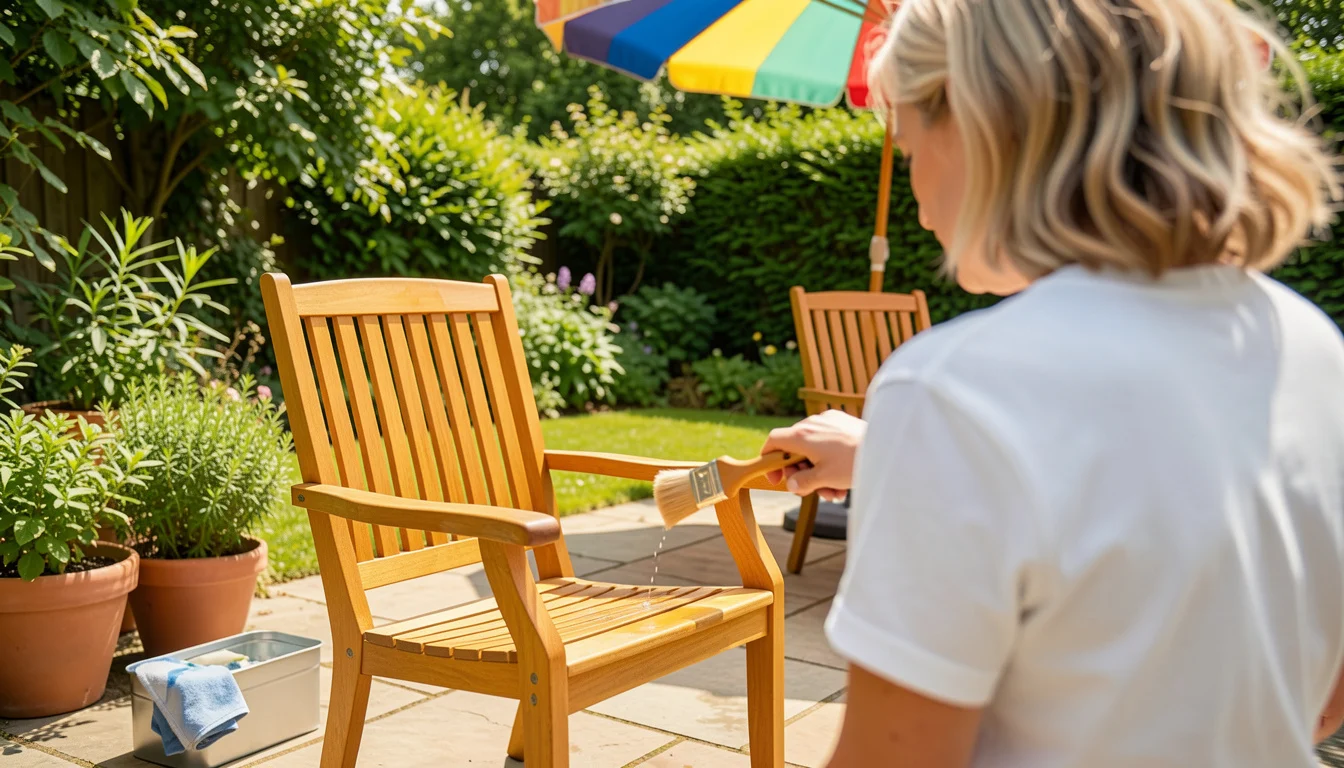 Applying protective finish to garden furniture
Sun can bleach a wooden chair long before rain makes it look damaged. To protect outdoor wood furniture, choose a finish that suits the wood and its exposure, then keep up with the maintenance on its label. A water-repellent finish can slow moisture damage, but it does not automatically block UV rays or prevent fading.
The right approach depends on whether the furniture sits in full sun, under a covered patio, or somewhere that gets frequent rain. Wood species and the look you want matter, too: a penetrating oil, a film-forming varnish, and a clear water repellent offer different trade-offs.
Start by identifying the wood and checking any existing finish. Then match the product’s exterior-use, wood-compatibility, and UV-protection claims to the conditions the furniture will face.
How Do You Protect Outdoor Wood Furniture from Fading?
The most reliable approach is to use an exterior-rated finish with UV protection that is compatible with the wood, apply it to clean, dry surfaces, and maintain it as directed. Add shade where possible. Water repellency helps limit moisture-related damage, while UV protection helps slow fading and surface breakdown; neither stops all weathering.
UV exposure breaks down lignin, a component of wood that helps hold its structure together. Sunlight can also fade or change the color of a stain or finish. Moisture causes wood to swell as it absorbs water and shrink as it dries, which can stress coatings and encourage cracking or peeling.
The USDA Forest Products Laboratory’s Wood Handbook: Wood as an Engineering Material explains how wood responds to weathering and moisture. In everyday terms, expect protection to slow visible changes, not freeze the furniture in its original color forever.
Water repellency slows moisture entry; UV protection slows sun damage, and outdoor furniture often needs both.
Which Finish is Best for Outdoor Wood Furniture?
The best finish for outdoor wood furniture depends on the species, exposure, and desired appearance. For full sun, prioritize a clearly stated UV-protection claim; for frequent rain, look for exterior use and water-repellent properties as well.
Finish Protection and appearance Upkeep Penetrating exterior oil Soaks into the wood and tends to preserve a natural, low-sheen look. UV resistance varies by formulation. Often needs periodic cleaning and reapplication; follow the label. Exterior varnish or spar varnish Forms a surface film that can provide water resistance and, if specified, UV protection. Usually adds a noticeable sheen. Inspect for cracks or peeling; damaged film may need sanding before recoating. Exterior stain or deck-and-furniture finish May add color and offer water repellency or UV protection, depending on the product. Opaque finishes usually hide more of the grain. Maintenance depends on the product and how much sun and rain the furniture gets. Water-repellent sealer Helps reduce water absorption, but a clear sealer may offer little UV protection unless its label says otherwise. Reapply as directed and check for water beading or other signs of wear.
Is it better to oil or varnish outdoor wood? Choose oil when you want a more natural appearance and can accept regular upkeep. Choose a film-forming varnish when you want a more defined surface sheen and the product is intended for exterior use; it can become difficult to maintain if the film cracks or peels.
There is no universal best oil to protect outdoor wood furniture. Select one labeled for exterior use, confirm it is compatible with the wood and any old coating, and check whether it makes a specific UV-protection claim. A product suitable for teak may not be the right choice for a different species or a previously sealed surface.
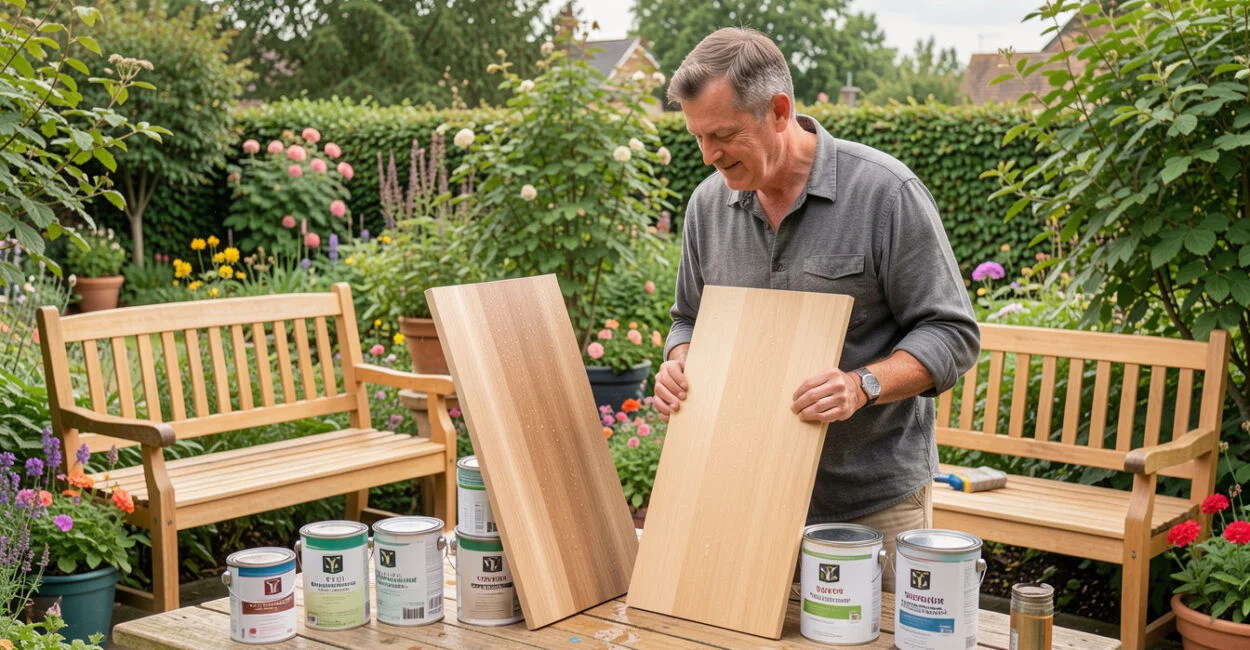
How Do You Choose a Waterproof Wood Sealer for Outdoor Furniture?
Choose a waterproof wood sealer outdoor product by checking its exterior-use label, approved wood types, UV claims, and compatibility with the furniture’s existing finish. “Waterproof” on a label does not, by itself, establish that a product protects against fading.
For a best waterproof wood sealer outdoor search, compare the actual product directions rather than relying on a ranking. Look for language about water repellency, UV resistance, application method, and whether the product is meant for furniture, not just decks or siding. A best wood sealer for outdoor furniture is the one that meets those conditions for your particular piece.
Some clear sealers preserve a natural appearance but provide limited sun protection. Pigmented stains can offer more color stability because pigment helps screen sunlight, though the finish will change the wood’s appearance. If the label is unclear about UV protection, treat the product as a moisture-control finish rather than assuming it prevents fading.
Wood preservatives and sealers are not interchangeable. The American Wood Protection Association publishes standards for wood preservation, but a standard or treatment designation does not mean a product is automatically appropriate for furniture or safe for every use. For pesticide products and treated wood, consult the U.S. Environmental Protection Agency’s overview of wood preservative chemicals and follow the product label.
Read also: How to Set Up an Outdoor Kitchen in a Small Backyard
How Do You Prepare and Treat Outdoor Wood Furniture?
To weatherproof wooden outdoor furniture, clean and dry it first, prepare the surface only as the product requires, and apply an exterior-rated finish according to its directions. Skipping drying time is a frequent cause of poor adhesion: trapped moisture can interfere with the coating and may lead to peeling or uneven appearance.
- Identify the wood and existing finish. Check product paperwork if available. If you cannot identify an old coating, test a small, hidden area before treating the whole piece.
- Clean off dirt, mildew, and residue. Use a cleaner compatible with the wood and finish. Rinse if the directions call for it, then let the furniture dry fully.
- Sand only when appropriate. A worn film finish may need sanding to remove loose coating and create a sound surface. Bare or naturally oily wood may require a different preparation; follow the finish manufacturer’s instructions.
- Test the finish in an inconspicuous spot. Check for color changes, tackiness, or poor adhesion before coating visible surfaces.
- Apply as directed. Respect the specified tools, number of coats, coverage, drying time, and temperature conditions. Coat edges and end grain if the product instructions recommend it.
Consider a typical wooden dining chair with a sun-facing back and a covered seat. The back may fade and weather faster because it receives more direct light, even though both parts belong to the same chair. Inspect and maintain the exposed area closely, while applying compatible treatment consistently across the piece.
For furniture that will share space with weather-resistant seating and tables, these deck furniture picks for weatherproof sofas and tables can help with broader patio planning.
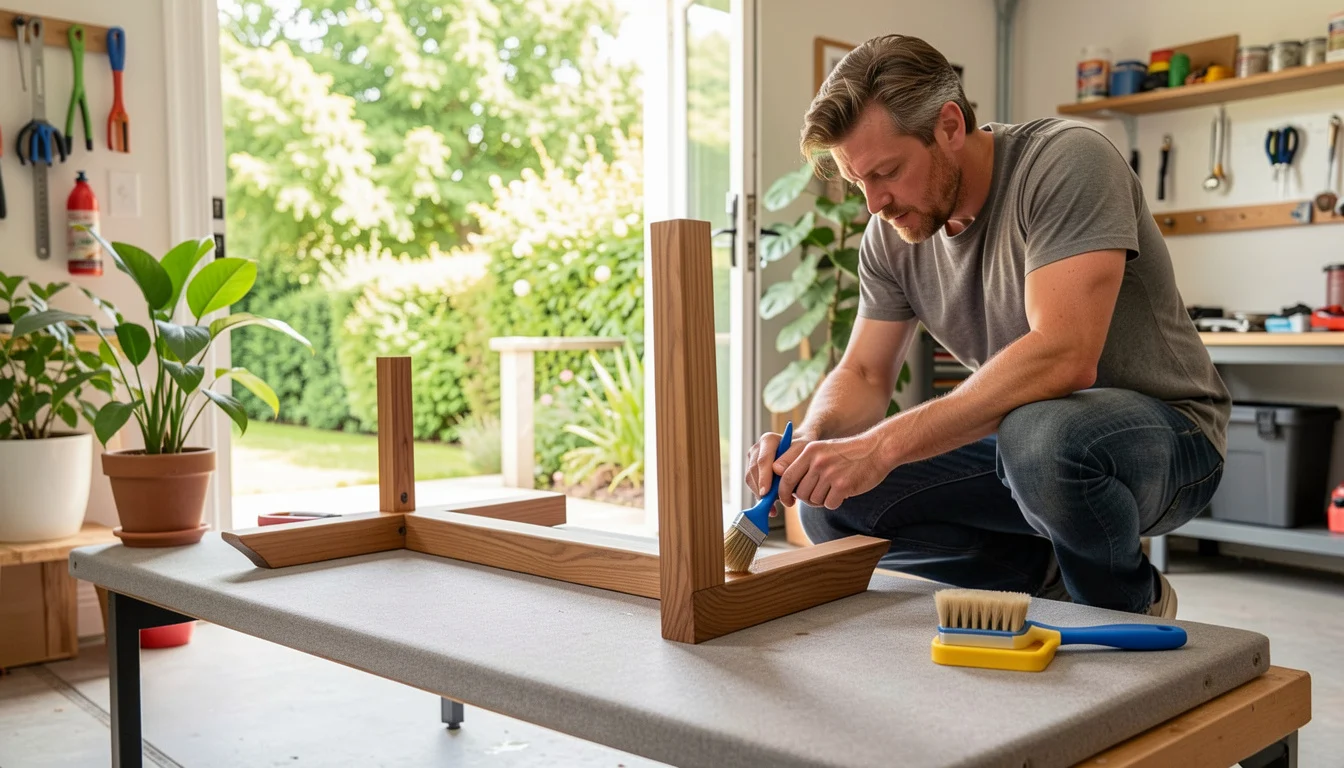
How Do You Treat Untreated Wood or Indoor Furniture for Outdoor Use?
Untreated wood can be treated for outdoor use only if the wood and its construction can handle outdoor exposure; a finish cannot make every indoor piece weatherproof. Start with an exterior-rated coating suited to the species, and understand that joints, veneers, and hidden surfaces may remain vulnerable.
To decide how to treat untreated wood for outdoor use, check whether the piece is solid wood or contains veneer, particleboard, or other materials that can swell when wet. Prepare bare wood as directed by the product manufacturer. Pay attention to undersides, feet, end grain, and joints, which can take up moisture even when the top looks protected.
Indoor furniture finishes are formulated for indoor conditions and may not tolerate recurring sun, rain, or temperature changes. Applying an outdoor topcoat over an incompatible indoor finish can cause poor adhesion or peeling. If the existing coating cannot be identified, a small compatibility test is safer than coating the whole item.
People searching for how to treat wood for outdoor use naturally should note that “natural” does not mean weatherproof. Oils such as tung or linseed oil can vary in formulation, drying behavior, and UV performance; use a product labeled for exterior wood and follow its directions. A waterproof wood sealer indoor product, by contrast, is not automatically suitable outside.
How Can You Maintain the Finish and Reduce Sun Exposure?
Inspect the finish regularly, clean it gently, and recoat when the product label calls for it or the surface shows wear. A fixed recoating schedule cannot suit every piece because exposure, wood species, and finish all affect how quickly protection declines.
Use shade to reduce direct UV exposure: a covered patio or a position out of harsh afternoon sun can slow fading. A breathable furniture cover can help when the piece is not in use, but avoid trapping moisture under a cover; let damp furniture dry and follow the cover maker’s care instructions.
For a sun-heavy patio, combine UV-rated finish with shade rather than relying on either alone. These weatherproof rug color ideas for sun-drenched spaces may also help coordinate the area around the furniture. A spray marketed as the best UV protectant spray for outdoor decor is not necessarily a wood finish: check whether it is expressly intended for wood before applying it. The same caution applies to a waterproof sealant spray for wood.
If considering Sunguard UV Protectant Spray for Outdoor Decor, read its label to confirm that wood is an approved surface and whether it is a protective finish or a maintenance spray. Do not substitute it for an exterior wood coating unless its instructions specifically support that use.
What Common Mistakes Damage Outdoor Wood or Its Finish?
The most damaging mistakes are coating damp or dirty wood, assuming water resistance means UV protection, and applying a new finish without checking compatibility. Each can leave the wood less protected than the label suggests.
- Applying finish before the wood is dry: moisture can interfere with adhesion and contribute to peeling or an uneven coat. Allow the wood to dry as specified.
- Coating over grime or loose finish: dirt and failing film prevent a sound bond. Clean first and remove only the coating that the product instructions say must come off.
- Mixing incompatible products: an oil, sealer, or varnish may not adhere over an unknown finish. Test a hidden area and follow the manufacturer’s compatibility guidance.
- Ignoring the underside and end grain: water can enter through exposed edges even when the top surface looks sealed. Treat these areas if the product directions call for it.
- Expecting a spray to act like a finish: decor sprays may be designed for other materials or for a different kind of protection. Confirm the approved surface and intended use before spraying wood.
When choosing the furniture itself, construction and materials affect how much maintenance it will need. Browse these rustic outdoor seating ideas for examples of different outdoor seating styles.
Quick Answers About Outdoor Wood Protection
Question Short answer What slows fading? An exterior finish with stated UV protection, plus reduced direct sun exposure. Does waterproof mean UV-protective? No. Check for separate, explicit UV claims. Oil or varnish? Oil keeps a more natural look; varnish forms a visible film. Choose by appearance, exposure, and maintenance needs. What should happen before coating? Identify the wood and old finish, clean and dry the piece, then test product compatibility.
Before buying a finish, note the wood species, current coating, and amount of direct sun and rain the furniture gets. Compare those details with the label, test a discreet spot, and use the manufacturer’s preparation and recoat instructions as your maintenance plan.
📱 See this content as a Web Story
Frequently Asked Questions
Can a Clear Finish Keep Wood the Same Color?
No clear finish can guarantee that outdoor wood will retain its original color. Even products with UV protection can slow rather than eliminate color change, and the wood beneath a coating may weather if the film wears or fails.
Can I Use a Spray Sealer Instead of Brushing on a Finish?
Only if the product is labeled for the wood and the intended outdoor use. Sprays can be convenient for certain surfaces, but they do not automatically provide the same film thickness, water resistance, or UV protection as a dedicated exterior finish.
How Can I Tell When a Finish Needs Attention?
Look for fading, a dry or rough surface, cracking, peeling, or a loss of water beading where the product claims water repellency. These signs vary by finish, so use the label’s inspection and recoating guidance rather than waiting for visible damage to spread.