

7 Rustic Outdoor Seating Ideas for Cozy Get-Togethers
How to design rustic outdoor seating for gatherings with clear walkways, mixed seating for comfort, and flexible layouts that balance style and usability.
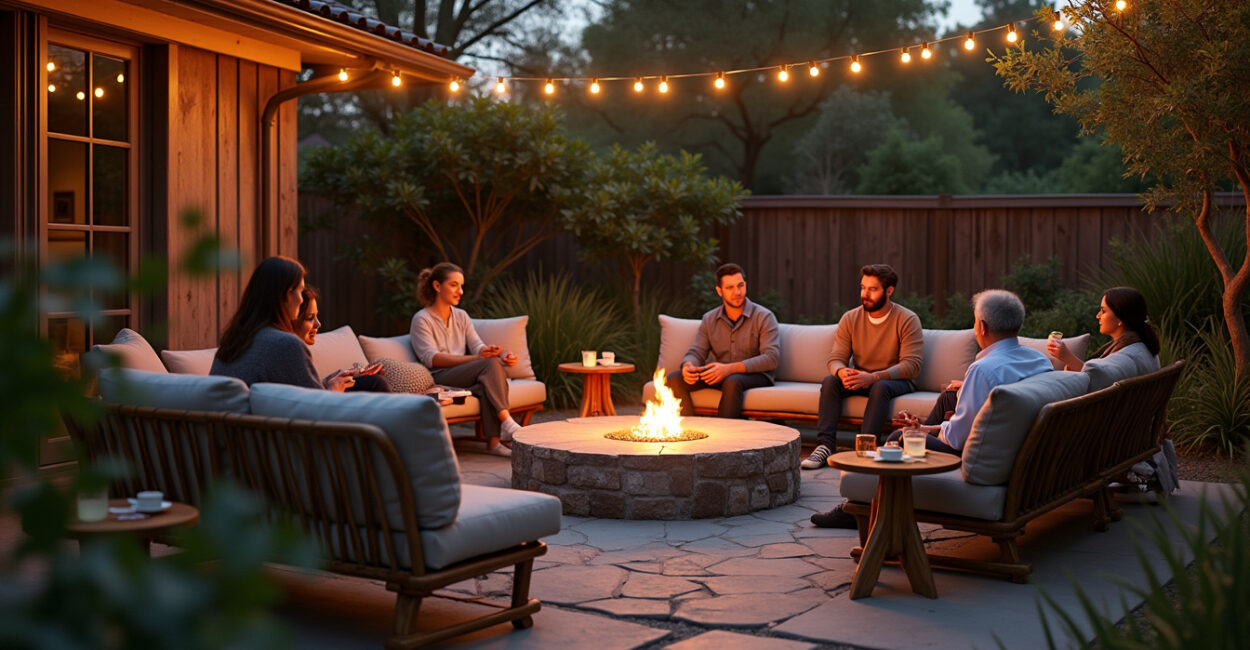
Rustic outdoor seating works best when it feels effortless in use, not just charming in photos. The right setup gives people places to sit, set down a drink, talk without shouting, and move through the space without bumping knees or blocking traffic. That is the real difference between pretty decor and a gathering that actually works.
If you are looking for rustic outdoor seating ideas for gatherings, the goal is not to buy a matching set and hope for the best. It is to build a guest-friendly layout with benches, chairs, lounge pieces, and sturdy surfaces that hold up outdoors while keeping the look warm, natural, and relaxed. The sections below focus on setups that people can use comfortably for dinner parties, birthday cookouts, family reunions, and casual backyard evenings.
Key Takeaways
- The best rustic outdoor seating layout starts with circulation: guests need clear walkways, not just enough chairs.
- Mixed seating arrangements work better than matching sets because they let you balance capacity, comfort, and visual texture.
- Bench seating outdoors is efficient for groups, but it works best when paired with a few movable chairs for flexibility.
- Comfort comes from support, spacing, shade, and surfaces for drinks more than from decorative accessories alone.
- Weather-ready materials like teak, powder-coated metal, cedar, and all-weather wicker fit rustic patio seating without sacrificing durability.
Rustic Outdoor Seating Ideas for Gatherings: The Best Layouts for Comfort and Style
The most useful rustic outdoor seating ideas for gatherings are layouts that combine a natural look with clear guest flow, enough seats, and easy access to food and drinks. In practice, that means planning around conversation zones, walking paths, and the size of your group before you think about pillows or lanterns.
Think of rustic outdoor seating as a system, not a single furniture choice. A farmhouse table with benches, a pair of lounge chairs near a fire pit, and a few movable stools can create a backyard gathering seating plan that feels intentional without looking staged. If you want a strong foundation, start by reading durable patio flooring ideas that make outdoor layouts feel finished, because the surface under your furniture changes both comfort and maintenance.
What separates rustic seating that works from rustic seating that only looks good is circulation: guests should be able to sit down, stand up, and reach shared areas without weaving through a crowded obstacle course.
Start with the Purpose of the Gathering
A seated dinner needs a different plan than a drop-in bonfire evening. Dinner calls for tighter table access, more backed seating, and less lounge sprawl, while mingling events can use lower seating density and more open movement around a central focal point.
Design Around the Anchor, Not the Edges
Most people place chairs first and end up with awkward dead space in the middle. A better approach is to place the anchor first: table, fire pit, grill, or serving station. Then build seating around that center so the arrangement feels connected instead of scattered.
Start with the Right Seating Mix: Benches, Chairs, and Lounge Pieces
The best rustic patio seating usually uses a mixed seating arrangement instead of one uniform set. That mix gives you flexibility for different ages, body types, and activity levels, which matters a lot once the guest list grows beyond six people.
Why Benches Do So Much Heavy Lifting
Bench seating outdoors saves space and creates a casual farmhouse outdoor seating feel. It is ideal along one side of a long table, beside a garden wall, or under a pergola where you want people to sit close together without crowding the layout. A bench also visually softens a large hardscape area.
Where Chairs Still Matter
Chairs with backs and arms are the comfort anchor. Older guests, anyone staying through a long meal, and people who like to settle in will appreciate proper support. A few armchairs or deep-seat lounge chairs keep the space from becoming all function and no rest.
Lounge Pieces That Keep the Space Relaxed
Low sofas, ottomans, and cushioned club chairs work well in an outdoor lounge area near a fire pit or side patio. They are not always the best choice for a formal dinner, but they are excellent for the “stay awhile” part of a gathering.
If you want the seating and decor to feel cohesive, weatherproof rug styling tips can help define zones without making the yard feel overdesigned. A rug under a seating cluster makes the space read as a room, not a random pile of furniture.

Rustic Seating Arrangements That Work for Small and Large Groups
Seating arrangement matters more than seat count once the group gets moving. A small group can gather around one compact table, but larger groups need zones, because one oversized cluster gets loud, cramped, and hard to navigate.
Small Gatherings: Keep Everyone Within Conversation Range
For four to eight people, a square or round setup works better than a long straight line. Round tables encourage eye contact, while a square arrangement lets everyone feel equally included. Add one bench only if you can still maintain enough elbow room.
Large Gatherings: Split Into Two or Three Zones
For 10 or more guests, use separate seating pockets instead of one giant cluster. One area can handle dining, another can support casual lounge seating, and a third can serve as a standing zone near food or drinks. That structure keeps traffic moving and gives guests choices.
A large backyard party feels more comfortable when guests can choose between dining, lounging, and standing, because no single seating style works for every stage of the night.
A Practical Example from a Real Backyard Setup
At one family gathering, a long reclaimed-wood table sat ten people, but the event only worked after two extra chairs were moved to a nearby gravel circle with a fire bowl. People who wanted to keep talking after dinner migrated there naturally. The setup felt rustic because the materials matched, but it functioned because the space had more than one social mode.
How to Make Outdoor Seating More Comfortable Without Losing the Rustic Look
Comfort in rustic outdoor seating comes from smart support, scale, and protection from the elements. A rustic look can still feel refined if you avoid the trap of making everything low, rough, and decorative at the expense of real use.
Use Cushions, but Keep Them Weather-aware
Cushions improve posture and make hard benches usable for longer gatherings. Choose outdoor fabric with removable covers and neutral tones so the setting stays earthy instead of looking like a porch sale display. Do not overload the space with too many pillows, though; guests need room to sit, not dodge decorative clutter.
Mind Seat Height and Table Height
Comfort breaks down fast when benches sit too low for a dining table or when lounge chairs are paired with a table that is too tall. Match seating to function. Dining seats should let people eat without hunching, while lounge pieces can sit lower because they are for conversation, not plates.
Add Shade and Wind Protection Where Needed
Rustic style works outdoors only when the space stays usable in real weather. Umbrellas, pergolas, sails, and even simple tree placement can make a long afternoon bearable. This is where design meets practicality, and practical always wins.
For ambient lighting that supports comfort after sunset, backyard patio lighting ideas for a cozy glow are worth pairing with seating. Light changes how long people stay and whether they can see drinks, steps, and table edges safely.
Rustic Materials and Furniture Choices That Fit the Theme
The rustic theme is strongest when the materials feel honest: wood, metal, stone, wicker, and natural fibers. The trick is picking versions that can live outdoors without warping, rusting, or turning brittle after one season.
Best Material Choices by Use
- Teak: durable, weather-resistant, and ideal for premium rustic patio seating.
- Cedar or acacia: warm-looking woods that suit farmhouse outdoor seating, but they need maintenance.
- Powder-coated metal: strong for frames, especially when paired with wood or cushions.
- All-weather wicker: useful for lounge zones where you want texture without fragility.
- Natural stone or concrete: best for side tables, fire pit surrounds, and grounded focal points.
What to Avoid If You Want the Rustic Look to Last
Cheap untreated wood, thin outdoor cushions with weak stitching, and glossy plastic furniture usually age badly and clash with the theme. Rustic design depends on texture and patina, but there is a difference between character and deterioration. That line matters more in humid climates and places with strong sun exposure.
For seating areas that sit on top of planters or near garden edges, patio plant styling ideas can help frame the furniture without cluttering it. A few tall planters can also soften hard lines around benches and chairs.
Add Functional Details: Tables, Lighting, Shade, and Side Surfaces
Good outdoor seating arrangement ideas always include places to set things down. Guests forgive a simple chair; they do not forgive nowhere to place a drink, plate, or phone. Side surfaces are one of the most overlooked parts of backyard gathering seating.
Choose the Right Table Mix
Use one main dining table if the gathering centers on food, then add smaller side tables near lounge seats. A coffee table, a stump-style pedestal, or a low crate table can all fit the rustic look if the proportions are right. If you need more capacity, foldable serving tables in wood tones are more useful than decorative pieces that cannot handle real use.
Layer Lighting in Zones
Do not rely on one overhead fixture. Combine path lighting, table lighting, and ambient glow so guests can move safely and still feel relaxed. If you are planning the routes guests will walk, the best starting point is often the perimeter. For that, solar path lights for backyard ambiance and safety give you a good baseline for visibility and atmosphere.
Use Shade as Part of the Layout
Shade is not an add-on. It changes where people choose to sit. In hot weather, the shaded side of a patio fills first, and if you ignore that, your “best” seats will stay empty while everyone crowds under one tree. Put the most comfortable seats where the climate already wants people to be.
Styling Tips to Keep the Space Cohesive and Guest-Friendly
Styling should support the layout, not compete with it. The easiest rustic outdoor seating ideas for gatherings keep the palette quiet, the materials consistent, and the visual clutter low enough that people notice the space instead of the props.
Limit the Palette
Stick to two or three main tones: weathered wood, black metal, cream fabric, or muted green accents. Too many colors break the rustic mood and make the space feel assembled from leftovers. A restrained palette also makes mixed seating look intentional rather than random.
Repeat Materials in Small Ways
If you use wood on the table, echo it in a bench, tray, or planter stand. If you use matte black metal in a chair frame, repeat it in lanterns or side table legs. That repetition creates cohesion without making everything identical.
Use Rugs and Plants to Define Zones
Rugs help seating areas read like separate rooms, while plants create soft boundaries and add height variation. If your gathering area is small, a single rug and a pair of potted plants may be enough. For larger setups, multiple zones make the whole space easier to understand at a glance.
The best way to keep the visual field calm is to reduce the number of competing objects near eye level. A rustic garden seating area feels better when the eye can move from table to chair to light without stopping at ten different decor decisions.
Common Mistakes to Avoid When Planning Rustic Outdoor Seating
The biggest planning errors are not decorative; they are spatial. People usually underestimate how much room chairs need when pulled back, how far guests walk between food and seating, and how fast a “cozy” layout becomes cramped after four people arrive with plates.
Do Not Match Everything Too Closely
A perfectly matched set can look flat outdoors. Rustic design has room for variation, and a mixed seating arrangement often looks more authentic. The key is consistency in tone and material weight, not identical pieces.
Do Not Overload the Perimeter with Furniture
Leaving no open space makes the yard feel smaller than it is. Guests need places to stand, children need places to move, and servers or hosts need a clean route through the seating area. Negative space is part of the design.
Do Not Ignore Weather and Upkeep
That’s the hard truth: some rustic pieces age beautifully, and some just get worn out. Untreated pine, cheap wicker, and thin outdoor cushions can fail fast in sun or rain. This is where a little restraint pays off. A simpler setup with better materials outlasts a crowded one with fragile finishes.
The most reliable rustic setup is not the one with the most texture; it is the one that still feels comfortable after three hours, one wind shift, and a second round of guests.
What to do next: sketch your seating zones on paper first, choose one anchor point, and then measure clear walking space before buying or moving furniture. If the layout works on paper, it will usually work in real life. If it does not, adjust the arrangement before styling it. That single habit saves more money and frustration than any decor trend.
What is the Best Seating Arrangement for an Outdoor Gathering?
The best arrangement depends on the event, but the most reliable option is a central anchor with clear circulation around it. For meals, use a table surrounded by chairs and one bench; for casual events, split the space into a dining area and a lounge zone. Guests should be able to move between seating, food, and exits without squeezing past furniture. That balance matters more than matching the exact furniture style.
How Do You Make Rustic Outdoor Seating Comfortable?
Start with seat height, back support, and shade before you add decorative details. Outdoor cushions, armrests, and side tables make a bigger difference than extra pillows. Comfort also improves when the seating sits on a stable surface and the layout leaves enough room for legs, plates, and drinks. Rustic does not have to mean hard or unfinished; it should feel relaxed, durable, and usable for long conversations.
What Seating Works Best for Large Backyard Parties?
Large backyard parties usually work best with a mix of benches, dining chairs, and a separate lounge cluster. Bench seating outdoors gives you more capacity per foot, while chairs handle guests who want back support. For bigger groups, split the space into zones instead of forcing everyone into one circle. That approach reduces crowding and lets different guests settle into the level of interaction they prefer.
How Can You Mix Benches and Chairs Without Making the Space Look Messy?
Keep the materials and colors related, even if the pieces are different. A wood bench can sit well beside metal-frame chairs if the finishes share the same visual weight and tone. Repeating one material in several places, such as wood tabletops or black metal accents, makes the setup feel deliberate. The key is coordination, not uniformity. If every item looks unrelated, the space reads as temporary instead of designed.
What Rustic Materials Are Best for Outdoor Seating?
Teak, cedar, acacia, powder-coated metal, and all-weather wicker are the most practical choices for rustic outdoor seating. Teak offers the best durability, while cedar and acacia give a warmer farmhouse look with more maintenance. Powder-coated metal works well for structure, and all-weather wicker adds texture in lounge areas. Avoid untreated softwoods and fragile finishes if the furniture will stay outdoors for long periods.