
Sustainable Pet Care: Lower-Waste Choices for Dogs and Cats
Sustainable pet care starts with food suited to your pet’s health and life stage; compare packaging and check local recycling rules before switching diets.
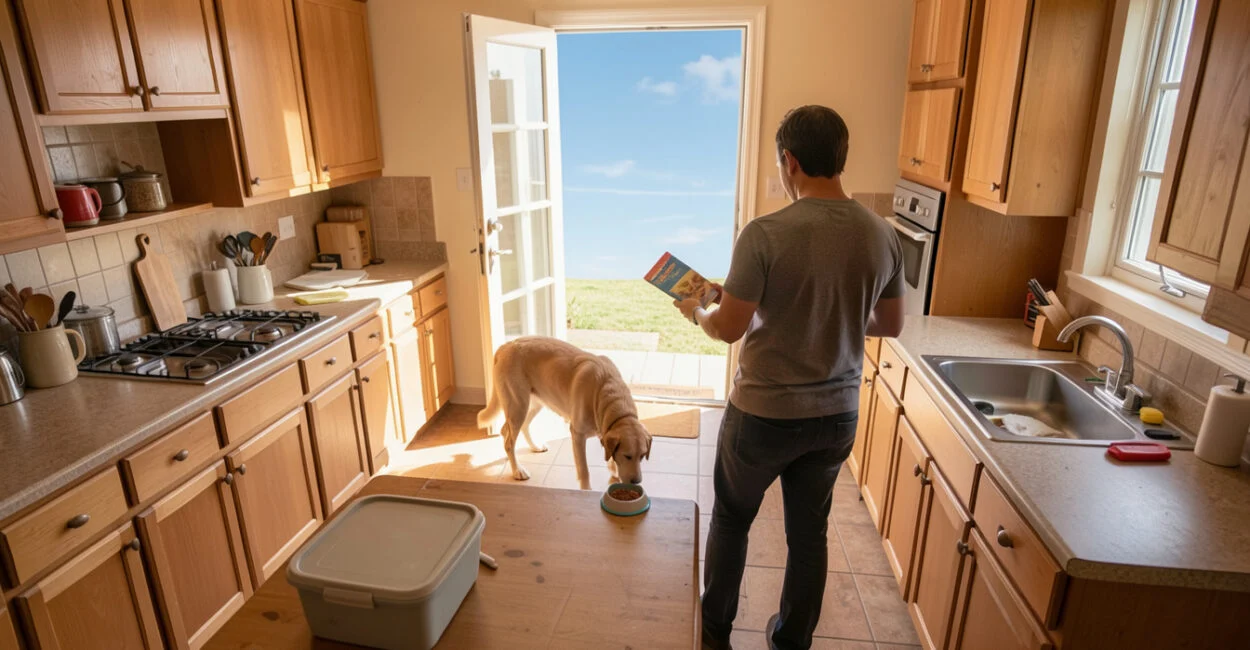 Owner checks food before serving a dog
Sustainable pet care means meeting a dog’s or cat’s health and welfare needs while reducing avoidable waste and resource use. In everyday terms, it means making practical choices about food, supplies, waste, cleaning, and routines without compromising nutrition, safety, or veterinary care.
No single product or diet makes pet ownership impact-free, and a product labeled “eco-friendly” is not automatically a better fit. The seven ideas below move from foundational choices to daily habits. Their value depends on your pet, household, and local recycling and disposal options.
1. Choose Pet Food for Nutritional Suitability First
Sustainable pet care starts with food that meets your animal’s nutritional needs. Choose a diet appropriate for your pet’s life stage and health; ask a veterinarian before making a significant change or switching a pet with a medical condition to a new food. Lower-waste packaging matters only if the food is suitable and safe for your animal.
Compare package sizes and materials, then check your local recycling guidance rather than assuming a pouch, bag, or can is accepted. The FDA’s explanation of complete and balanced pet food covers what nutritional adequacy means. Alternative-protein foods may be worth investigating, but environmental claims need evidence and the diet still needs to meet your pet’s requirements. Homemade or restrictive diets can create nutritional gaps without professional formulation and guidance.
Best fit: Households choosing food for a healthy pet or discussing options with a veterinarian. A veterinary-prescribed diet takes priority over packaging preferences.
2. Buy Fewer, Longer-Lasting Supplies
Before replacing bowls, beds, toys, leashes, or carriers, take stock of what your pet uses and what still works. A sturdy, washable item can reduce repeat purchases when it suits the animal and is easy to keep clean. Durability varies by design and use, so no single material is best for every household.
For example, a toy that lasts months for one dog may be torn apart in minutes by another. Choose items that match your pet’s size, habits, and chewing style. Inspect them often; frayed ropes, cracked bowls, and damaged gear may create an injury or swallowing risk.
Best fit: Anyone replacing an item that has worn out or failed to meet a pet’s needs. If the current item remains safe and functional, keeping it is often the lower-waste choice.
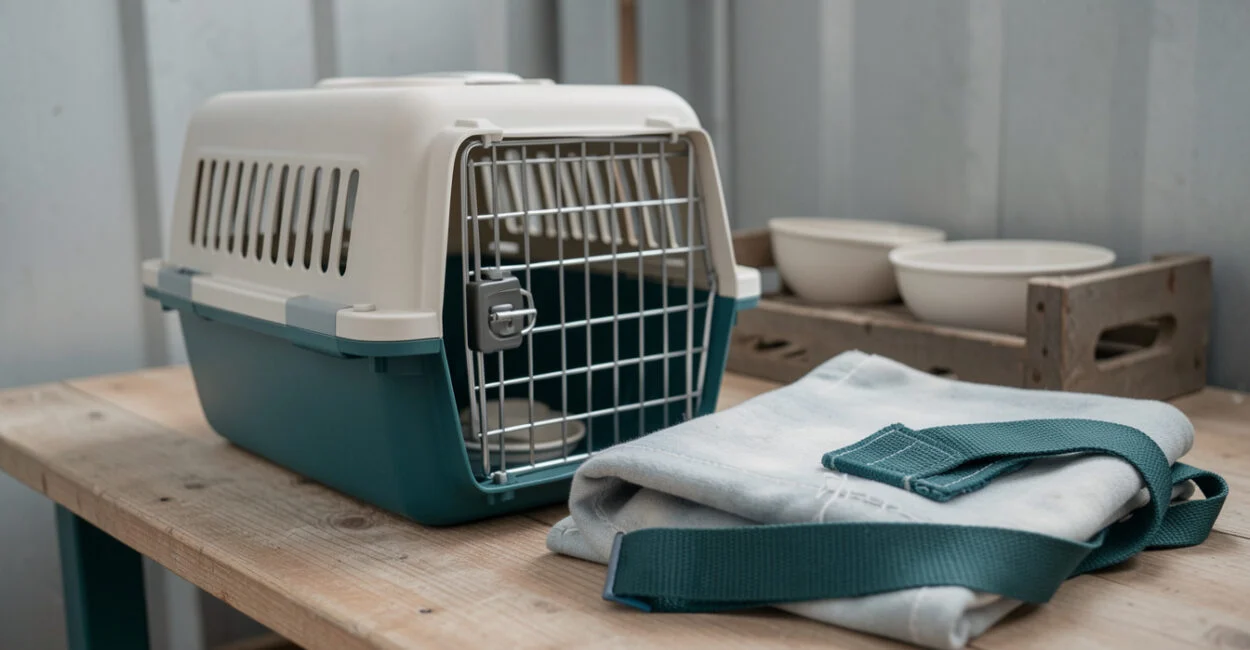
3. Reuse, Repair, and Pass Along Suitable Items
Repairing washable textiles or mending a strap can extend the useful life of supplies, provided the repair does not create a safety hazard. Secondhand purchases can also work for cleanable goods such as some bowls or carriers. Inspect them for cracks, loose parts, damage, and signs that make thorough cleaning difficult.
Reusable and durable are not the same thing. An item earns a second use only if it stays safe and suits the animal. Avoid reusing or donating goods that are contaminated, recalled, badly worn, or hard to clean. Check a shelter’s or rescue group’s donation rules before dropping off supplies; groups may not be able to accept every item.
For household textiles, this guide to repairing clothes and extending their use offers repair ideas that may also apply to some washable pet fabrics.
4. Reduce Food and Treat Waste
Store food as the label directs, and buy an amount your household can use while it retains its intended quality. Measuring portions against label guidance or veterinary advice can help prevent routinely serving more than your pet needs. Keep food secure from pests and from other animals in the home.
Leftovers and expired products require care. Follow product instructions and local waste rules; pet food cannot be assumed suitable for composting. If you often discard food, review portion sizes, package size, and storage practices before buying more.
Read also: How to Reduce Paper Waste at Home Without Going Paperless
Best fit: Households that find opened food is going stale or that regularly throw away uneaten meals. A smaller package may create more packaging, so balance package size with what your pet can safely consume.
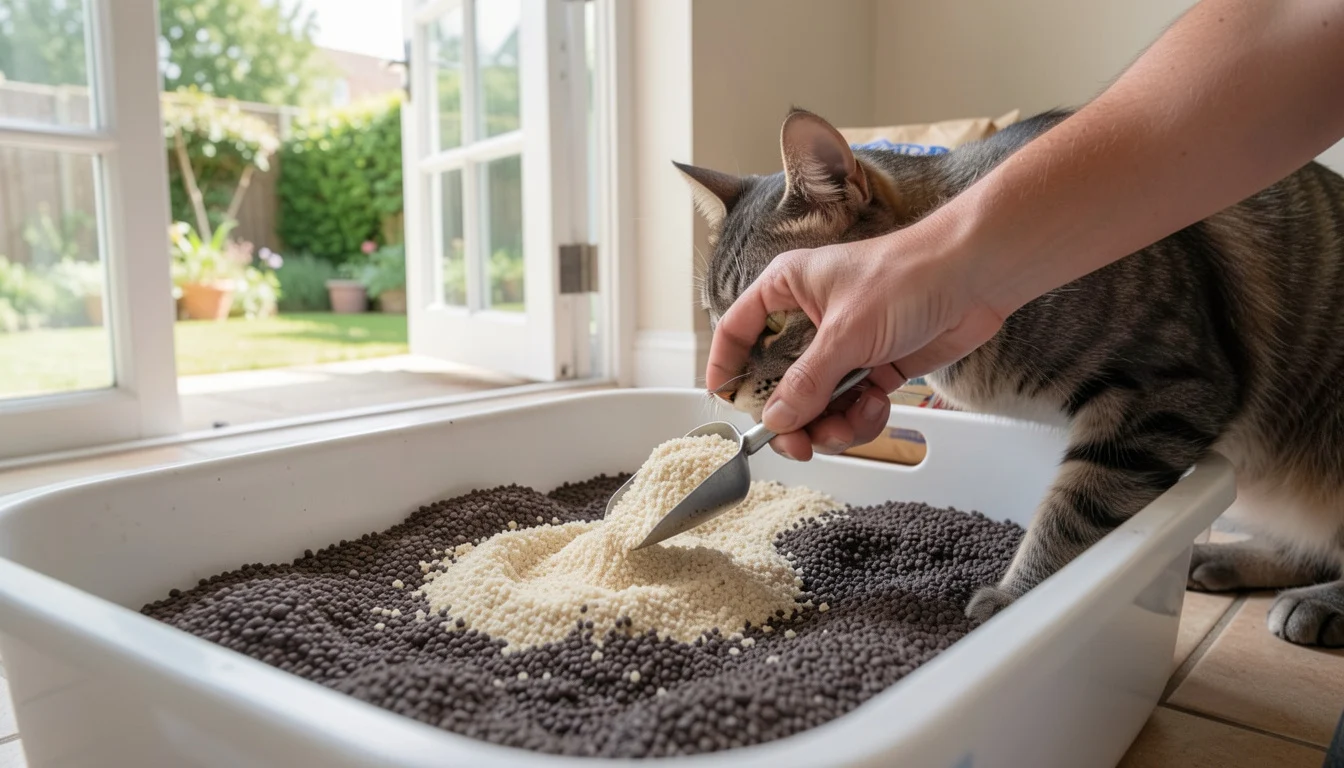
5. Handle Dog Waste and Cat Litter Responsibly
Pick up dog waste and follow your municipality’s disposal instructions. Do not treat pet waste as safe garden compost. Cat litter disposal depends on the litter, its package directions, and local rules. Avoid flushing litter or feces unless both the product instructions and local wastewater guidance explicitly allow it.
Cats can be sensitive to changes in litter. If you switch to a different type, transition gradually and watch whether your cat continues to use the box. A sudden change may lead to avoidance, which creates a household problem without reducing waste. The CDC’s guidance on cats and health includes advice on litter-box hygiene.
Best fit: Dog owners checking municipal waste guidance and cat owners comparing litter options. Disposal recommendations vary by location, so a general rule may not apply where you live.
6. Use Cleaning and Grooming Products Thoughtfully
Washable towels, bedding, and cleaning cloths can replace some disposable options when they suit the task and can be cleaned to a hygienic standard. Choose products labeled for use around pets, follow directions, and keep cleaners and concentrated formulas away from animals. “Natural” on a label does not guarantee a product is non-toxic or safe for a pet to lick or inhale.
For shedding or skin problems, use the grooming routine and products your pet needs. Reducing product use should never come at the cost of comfort or appropriate care. Keep grooming tools clean, and follow veterinary advice if your pet’s skin, coat, or behavior changes.
Best fit: Homes that can wash and reuse cleaning textiles safely. If a disposable product is needed to manage a specific health or hygiene concern, use it as directed.
7. Make Everyday Routines More Efficient
Plan supply purchases alongside other errands when practical, and check whether local programs accept particular packaging or offer take-back options. Recycling access varies; the EPA’s recycling guidance explains why local programs and accepted materials matter. Avoid assuming a package is recyclable based only on its label.
Preventive veterinary care and safe identification remain part of responsible pet care. Necessary treatment is not waste to eliminate. To make household changes easier to maintain, choose one or two that fit your pet and local services, then reassess them over time. Broader household habits are covered in this practical guide to sustainable living.
Best fit: Owners who want manageable changes that can become routine. Combining errands may reduce unnecessary trips, but the effect depends on your circumstances and does not need a precise emissions estimate to be useful.
Lower-Waste Choices and Important Caveats
Area of care Practical lower-waste choice Check before doing it Food and packaging Compare package formats and sizes Nutritional suitability and local recycling rules Supplies Keep safe items in use; choose durable replacements Fit, cleaning needs, and damage risks Reuse and repair Mend washable goods or pass on suitable items Inspect, clean, and check donation rules Food storage Store as directed and measure portions Label instructions and veterinary guidance Dog waste and cat litter Follow local disposal rules Do not assume composting or flushing is safe Cleaning and grooming Use washable textiles where practical Pet safety, product labels, and hygiene
How to Choose Sustainable Pet Care Changes That Fit
Start with a few questions: Is the item still safe and usable? Does a proposed food or litter change suit this particular pet? Can you clean and maintain a reusable alternative? What do local recycling, wastewater, and waste services actually accept?
- Use what is already safe and serviceable.
- Check local recycling and disposal rules.
- Choose durable products that suit your pet.
- Measure and store food according to guidance.
- Ask a veterinarian before significant diet changes.
- Keep animal welfare first.
Small, repeatable choices are easier to sustain than a complete household overhaul. Keep the changes that work for your pet, and reconsider any that create safety, health, or practical problems.
📱 See this content as a Web Story
Frequently Asked Questions
What Does Sustainable Pet Care Mean?
It means meeting a pet’s health and welfare needs while reducing avoidable waste and resource use. The right choices depend on the animal and the services available locally.
Are Alternative-Protein Pet Foods Always More Sustainable?
No. A product’s environmental claims need evidence, and the food must still meet the pet’s nutritional needs. Ask a veterinarian before changing diets, particularly if your pet has a health condition.
Can Cat Litter or Dog Waste Go in Compost?
Do not assume so. Follow local disposal guidance and product instructions; dog waste should not be treated as safe garden compost.
How Can I Switch My Cat to a Lower-Waste Litter?
Make the change gradually and watch for signs that your cat avoids the box. If the transition causes problems, return to a litter your cat will use and ask your veterinarian for guidance if needed.