
How to Reduce Waste When Moving to a New Home
Plan a low-waste move by sorting belongings early, reusing suitable packing supplies, and finding practical next steps for items you can’t take.
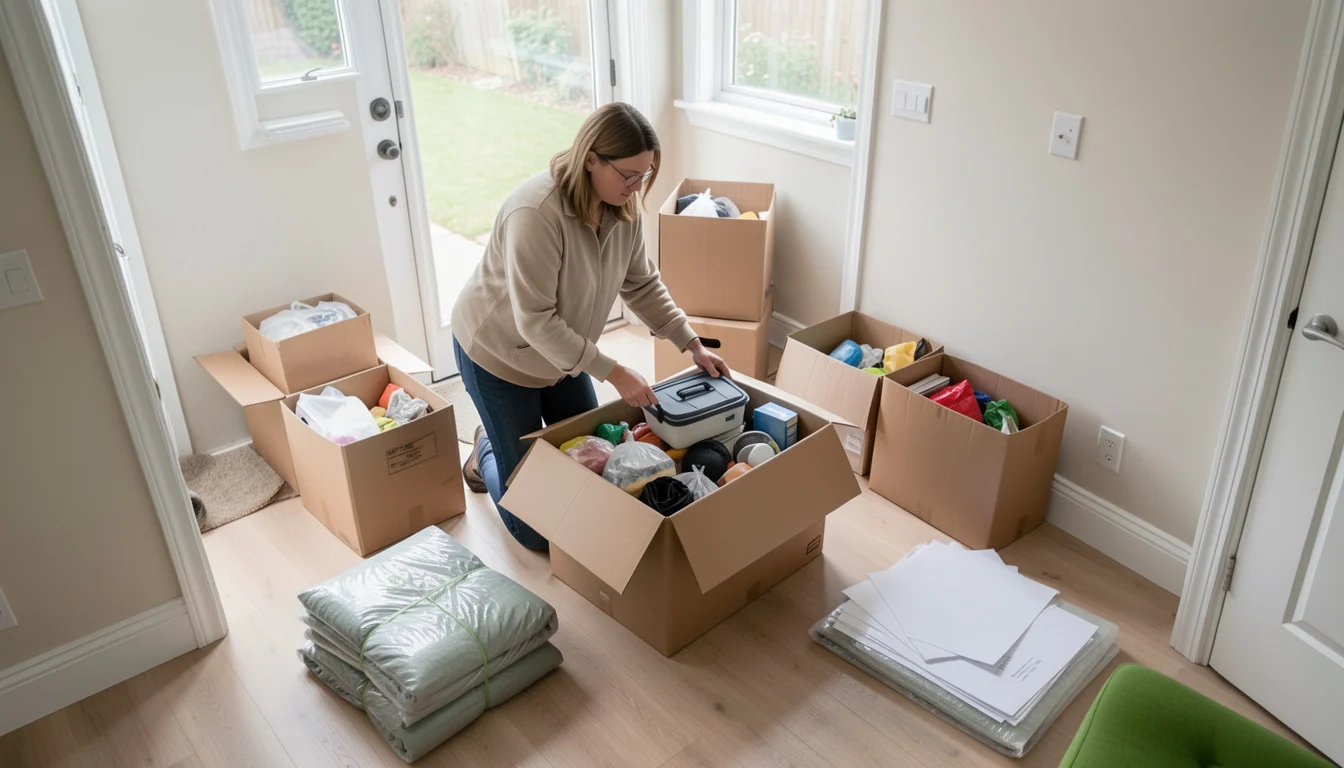 Sorting belongings for a lower-waste move
A move can fill a recycling bin before the first box is packed: unwanted furniture, duplicate kitchen items, and packaging all compete for time and space. Low waste moving means preventing avoidable waste and finding practical next steps for what you cannot take. Start early, sort belongings by condition, and use packing supplies you already have or can reuse.
You do not need to produce zero waste to make a move less wasteful. The best option depends on your schedule, budget, local services, and what your moving company will accept.
A sturdy secondhand box can be useful; a damaged one may put your belongings at risk.
Build a Low-Waste Moving Plan Before Packing
Reduce waste when moving by planning ahead, taking only what you need, reusing suitable packing supplies, and arranging reuse or disposal for the rest. Begin with an inventory and a realistic timeline. The more time you have, the more chances you get to sell or give away usable belongings and find boxes without buying new ones. Sort items into keep, sell, donate, give away, recycle, and dispose groups. Check recipient criteria and local rules before setting anything aside: an organization may refuse an item because of its condition, and recycling or bulky-item services vary by location. Choose the next step based on the item’s condition, what services are available, and when it must leave your home.
- Inventory belongings and set aside items not moving.
- Check donation and reuse criteria.
- Find local rules for recycling, bulky waste, and special-handling items.
- Ask the moving company about supplies and restricted items.
- Arrange collections, drop-offs, and borrowed supplies in advance.
Reduce What You Need to Move
Every item you leave behind in usable condition is one less thing to pack, transport, and unpack. Separate goods that someone can use from items that are broken, unsafe, or missing parts.
Don’t send unusable belongings to a donation center unless it has confirmed it can take them.
Sell or give away usable items, and ask local organizations about their acceptance rules before making a donation trip. For ideas on passing along clothing, see this guide to donating or recycling clothes you no longer wear. Shred or securely dispose of documents with personal or financial information instead of placing them in general donation boxes.
Item condition Possible next step What to check Usable and wanted by someone else Sell, give away, or donate Recipient criteria, pickup options, and timing Usable but not accepted by a donation organization Offer it through a local reuse network or another recipient Whether the recipient can collect it and use it Damaged or incomplete Look for an appropriate repair, recycling, or disposal service Local acceptance rules and whether repair is practical Bulky or difficult to transport Arrange a suitable collection or drop-off Fees, appointment requirements, and item restrictions
For example, a working lamp that a donation center will not accept might still suit a neighbor who can pick it up before moving day. A lamp with exposed wiring needs a different route; offering it as usable could create a safety risk. Local services and recipient rules determine what is possible.
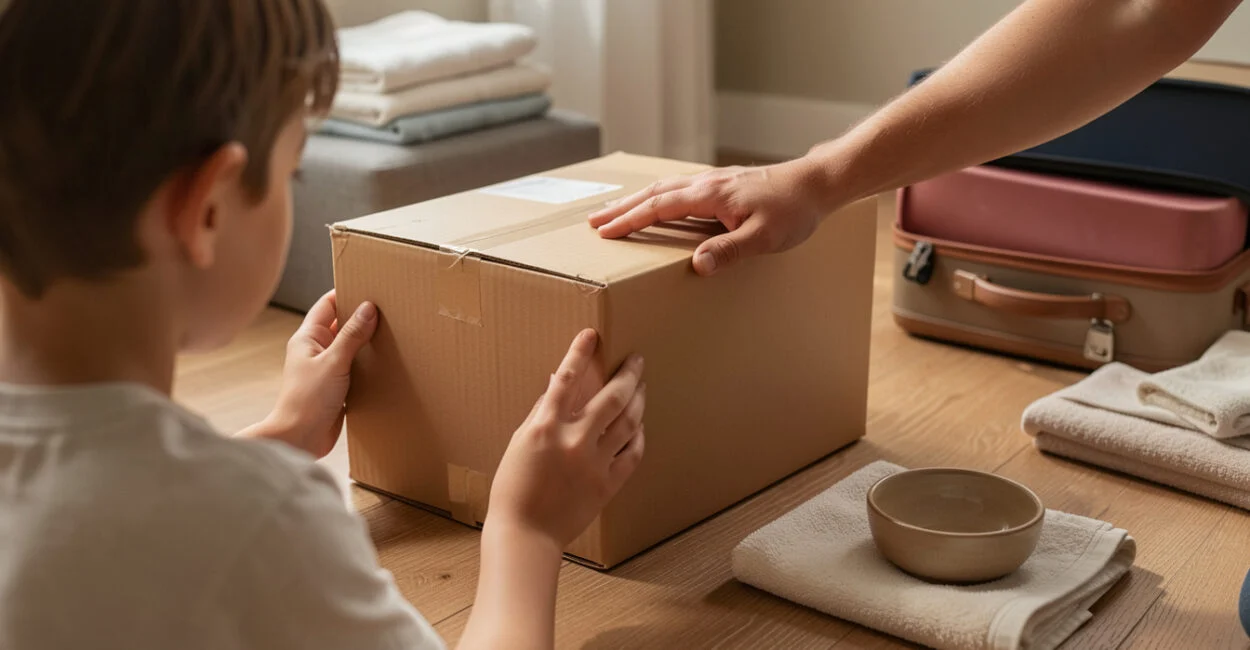
Find Packing Materials Without Buying Everything New
Check your home first, then ask friends or neighbors, and look for clean, sturdy secondhand supplies. Suitcases, duffel bags, baskets, and lidded containers can carry belongings that are already going to the new home. Towels and linens can cushion suitable items, so you may need less disposable protective material.
Reused supplies have limits. A box that is damp, torn, or too weak for its contents can collapse during loading; a box that is too large can become unsafe when packed with heavy items. Ask the moving company what it accepts and whether it offers reusable crates, collection after the move, or another return option.
Material or container Lower-waste option Practical consideration Boxes Use sturdy boxes already on hand, borrow them, or find them secondhand Check for moisture, damage, strength, and a suitable size Protective cushioning Use clean household textiles for suitable belongings Fragile items may need additional protection; keep textiles dry and clean Containers for small belongings Pack them in suitcases, bags, baskets, or containers already moving Close or secure them so contents do not spill Rented or reusable crates Ask movers about a rental or returnable system Confirm delivery, pickup, availability, and any fees
Choosing and reusing supplies is also a useful habit when buying things for a new home. This eco-friendly shopping checklist for buying better on a budget can help you avoid replacing items you already have.
Read also: Sustainable Pet Care: Lower-Waste Choices for Dogs and Cats
Pack Efficiently with Less Single-Use Material
Pack by room and item type, choosing a container that fits without forcing belongings inside. Fill open space with suitable items or clean textiles already being moved, but don’t make a box so heavy that it becomes difficult to lift safely. Packing efficiently means using less material where it is safe to do so, not leaving fragile items unprotected.
Tape, labels, and protective wrap may still be necessary. Use only what the item needs, and mark boxes in a way that helps movers place them correctly. Avoid packing damp or dirty textiles with belongings; they can transfer moisture, odors, or dirt during the trip.
Read also: How to Reduce Paper Waste at Home Without Going Paperless
Tip
Pack a small box of household textiles last. Use clean towels or linens to cushion suitable breakables, then unpack those textiles first at the new home.
For electronics, keep accessories with the device and use intact packaging that protects screens and other delicate parts. If you are leaving old devices behind, check guidance on recycling electronics responsibly rather than placing them in general trash.
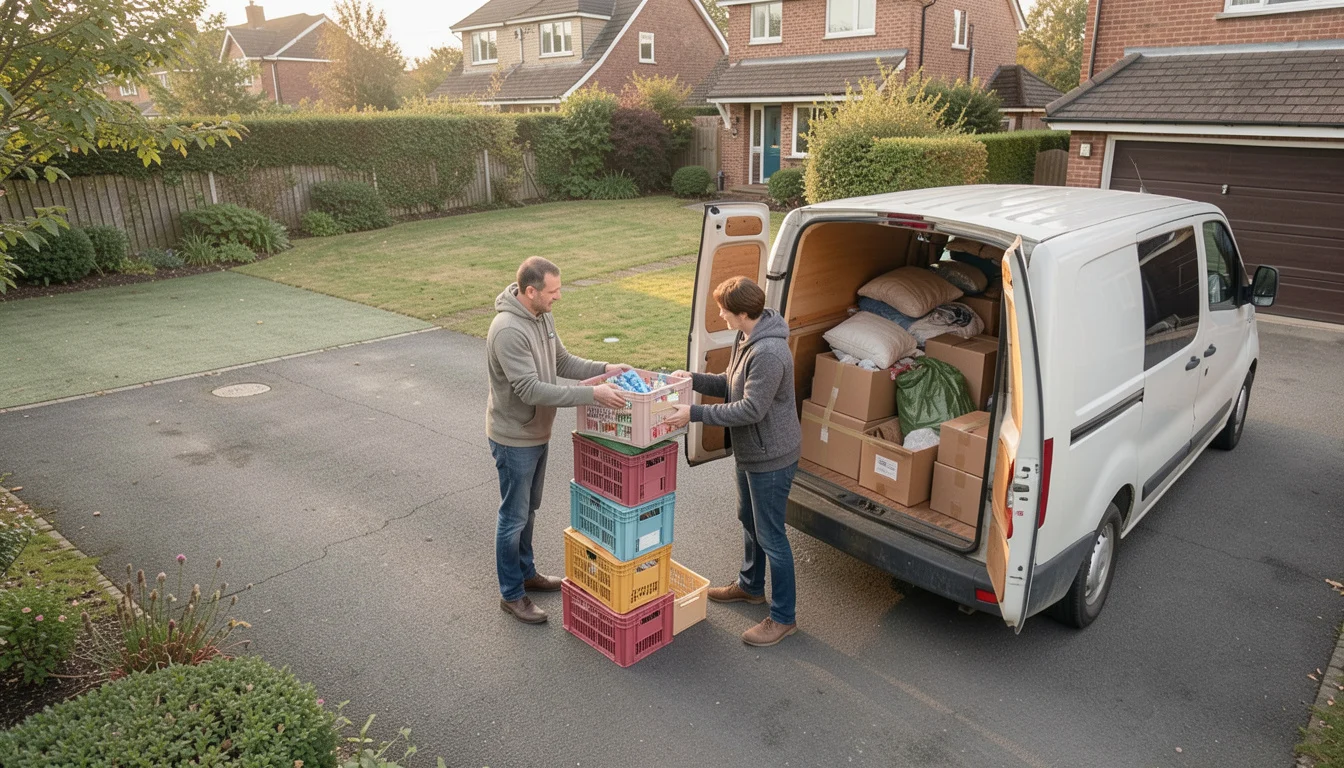
Choose Transport and Moving Services Thoughtfully
Compare moving options against the distance, volume, schedule, and help available to you. A shared or consolidated service may suit one move, while another may need a dedicated truck or a particular pickup time. No transport choice is automatically the best fit for every household or route.
Ask movers whether they provide reusable crates, take back packing supplies, or reuse materials after a move. Confirm which items they will not transport, and make arrangements in advance for hazardous, oversized, or restricted belongings. The Federal Motor Carrier Safety Administration’s Protect Your Move guidance explains how to check a mover and prepare for a household move.
When you can, coordinate donation pickups and drop-offs with other errands. Combining trips may be more practical than making separate journeys, but the result depends on distances, schedules, and what fits in the vehicle.
Handle Unwanted Items and Moving-Day Waste Responsibly
Keep donations, items awaiting collection, and rubbish in clearly marked, separate areas so they do not get loaded by mistake. Arrange pickups or drop-offs before moving day, and decide what you will do if a recipient cancels or cannot take an item.
Use your local waste authority’s guidance for recycling, bulky waste, and materials that need special handling. The U.S. Environmental Protection Agency provides information on recycling and waste reduction, but local programs set the rules for what they accept. Do not leave belongings at the curb or at either home unless local rules explicitly allow it.
Paint, chemicals, batteries, and some electronics may need special handling rather than regular trash or curbside recycling. If you have leftover paint or household chemicals, check local instructions and this guide to finding a responsible route for old paint and household chemicals.
Unpack, Reuse Supplies, and Close the Loop
Unpack in stages and keep reusable boxes and packing materials together instead of discarding them as each room is cleared. Return borrowed or rented supplies promptly, and offer clean, usable boxes to neighbors or local reuse groups. Recycling acceptance depends on your location, the material, and its condition, so check local instructions before putting packing supplies in a bin.
- Return borrowed or rented materials.
- Offer usable boxes and packing supplies for reuse.
- Separate materials according to local recycling guidance.
- Arrange proper handling for items that cannot go in regular waste.
Start with what you already own, pass along usable belongings and supplies, then check local rules for everything else. If a move is already close, prioritize safe packing and confirmed pickups over last-minute plans that might leave items behind.
📱 See this content as a Web Story
Frequently Asked Questions
What Should I Do If a Donation Organization Cannot Accept an Item?
Ask whether it knows another organization that accepts that type of item, or offer it through a local reuse network if it is safe and usable. If neither option works, check local repair, recycling, or disposal services.
Can I Leave Unwanted Belongings at the Curb on Moving Day?
Only if local rules explicitly permit it and the item qualifies. Curbside placement may be restricted to scheduled pickups or certain materials, so check with your local waste authority first.
How Can I Find Out Whether a Packing Material is Recyclable Where I Live?
Check your local recycling program’s accepted-materials list, including any condition or preparation requirements. Don’t assume that a material is accepted just because it has a recycling symbol or was recyclable somewhere else.
What Should I Ask a Moving Company About Reusable Crates or Packing Materials?
Ask whether crates are available for your dates, how delivery and pickup work, whether there are fees, and what happens to used boxes or protective materials after the move. Also confirm which supplies and items the company will not transport.
How Should I Handle Items That May Require Special Disposal?
Identify them before packing and check instructions from your local waste authority or the relevant collection program. Ask your mover about restrictions, too, and don’t place hazardous or restricted items in household rubbish unless local guidance allows it.
What If I Have Very Little Time Before Moving Day?
Focus first on safe packing and items that need a scheduled collection or special handling. Offer usable belongings locally with a clear pickup deadline, and use appropriate disposal services for anything that cannot be passed on.