
How to Make Your Lawn More Wildlife-Friendly
Make a wildlife-friendly lawn without giving up play space: mow low-use patches less often, work with existing plants, and adapt to your soil and light.
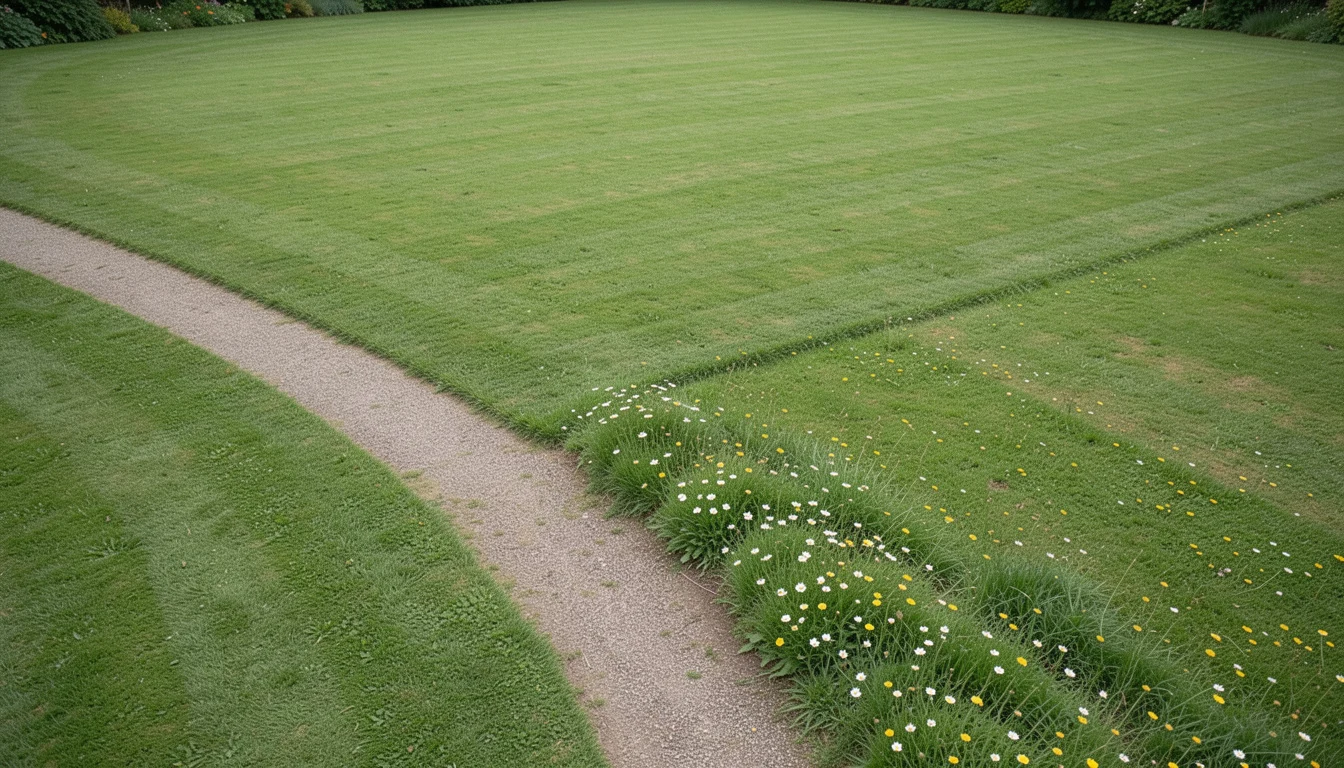 A mown path beside flowering grass
A closely mown lawn can be useful for play and paths, but it offers few places for flowering plants to grow. A wildlife-friendly lawn keeps some grass short while letting selected areas grow taller and flower. Start by mowing less often in a low-use patch, then adjust the plan to your soil, light, and the plants already growing there.
You do not have to replace every blade of grass or let the whole garden grow unchecked. A patchwork of lawn heights can make room for flowers and insects while preserving space to sit, walk, and play.
At a Glance
- Keep well-used routes and play areas short, and trial longer grass where you rarely walk.
- Check which plants are already present before buying seed; local conditions determine what can thrive.
- Mow around flowering or seed-setting plants when practical, then remove cuttings if they could smother the grass.
- Think of lawn changes as one part of a varied garden habitat, not a guaranteed way to attract particular wildlife.
How to Make Your Lawn More Wildlife-Friendly
Make a lawn more wildlife-friendly by mowing selected areas less often, allowing suitable plants to flower, and keeping some short grass for access and recreation. You can begin with one low-use patch and leave the rest unchanged.
The result depends on local conditions and what grows there; a wildlife-friendly lawn may look less uniform than a weed-free carpet.
Grass height affects which plants can flower and set seed, and creates different conditions across the lawn. The Royal Horticultural Society (RHS) recommends considering how you use the space when choosing a lawn-care approach. Its lawn guidance can help you compare options.
- Mow selectively: Keep the areas you use most short and reduce mowing in chosen patches.
- Allow suitable plants to flower: Let existing clover and other appropriate flowers bloom where they suit the site.
- Retain usable short grass: Keep clear paths, seating areas, or play space rather than changing the whole lawn at once.
Choose Which Parts of the Lawn to Change
Before changing your mowing pattern or sowing seed, map the lawn by sun, shade, moisture, soil, and use. A sunny edge may suit a different approach from a damp hollow or a shaded strip beneath a tree. Also note where people regularly walk: repeated foot traffic can wear down flowering areas.
Start with one low-use section and keep a mown path or border beside it. This patchwork approach is easy to adjust if the grass becomes difficult to manage or the plants that appear do not suit the space.
- High-traffic or play area: Keep it short and check whether the surface stays safe and comfortable for its intended use.
- Sunny, low-use patch: Reduce mowing or test a suitable flowering mix; check the soil and the seed supplier’s instructions first.
- Shaded area: Observe which plants already cope with the light before choosing a seed or lawn alternative.
- Damp area: Check whether water tends to sit there and select an approach suited to the site’s moisture.
- Dry area: See what survives without extra watering before investing in seed or replacement plants.
That last check can save effort: seed that suits a sunny, well-drained lawn may struggle in shade or persistently wet soil. If you are also reviewing garden supplies, this guide to choosing peat-free potting mixes covers a separate but related decision for container planting.
Change How and When You Mow
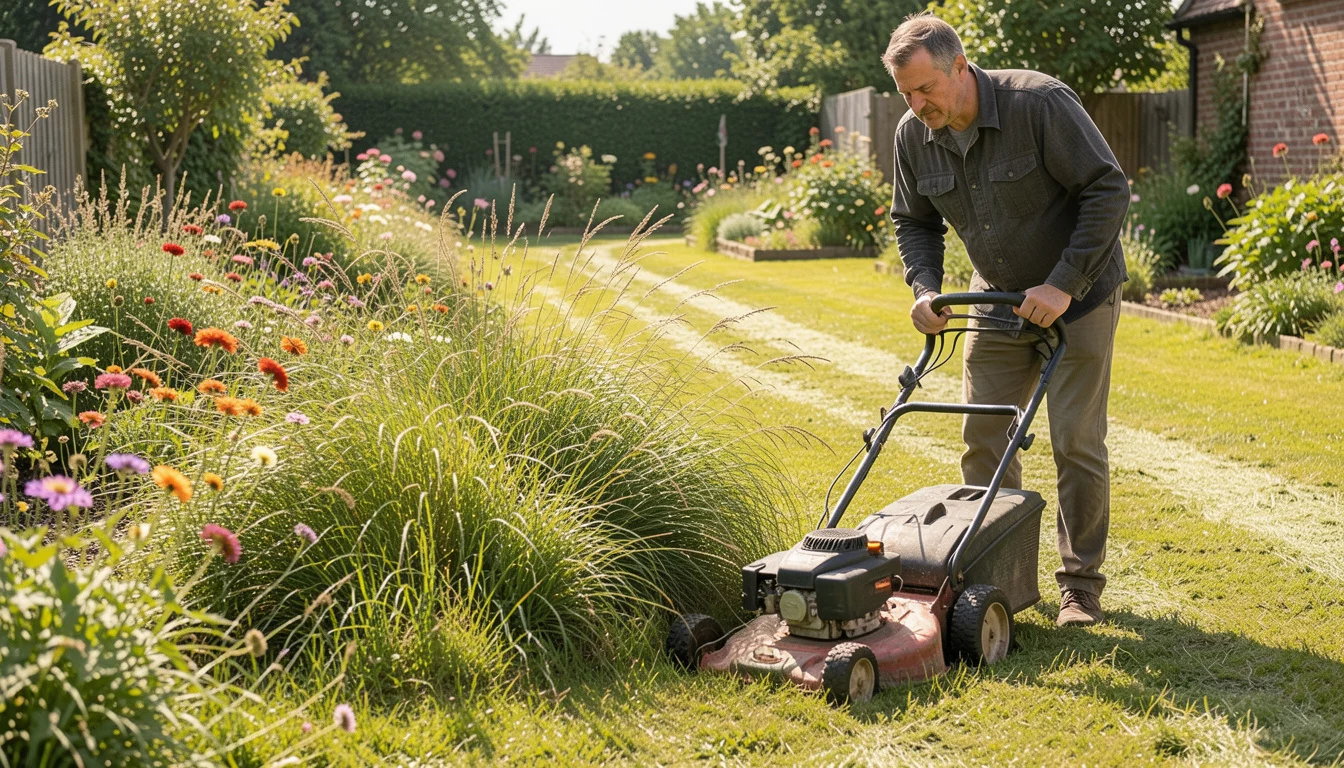
Reducing mowing frequency allows grass and other plants more time to grow, while leaving a selected patch unmown creates a taller area and mowing paths through it preserves access. These are different choices: a patch left to grow can still need periodic cutting to keep its shape and prevent unwanted plants from spreading.
There is no single best date for cutting long grass for wildlife. Consider what is flowering or setting seed, check local guidance, and choose a time that fits the plants and wildlife on your property. Before mowing, look through the vegetation for animals and obstacles, and use equipment suited to the growth and terrain. Remove cuttings when a thick layer could smother the grass or flowering plants beneath it.
If you stop mowing, the grass grows taller and may flower or set seed. What happens next depends on the species already present, soil, light, and ongoing management: the area may become more varied, or it may turn into tall, coarse growth without developing into a flower-rich meadow.
A useful mowing plan leaves room for flowers and wildlife while keeping the parts of the lawn people rely on easy to use.
Read also: How to Choose an Eco-Friendly Mattress That Lasts
For practical guidance on managing grass for wildflowers, consult Plantlife’s grassland resources. Local recommendations matter because suitable mowing and planting choices vary by region and site.
Choose Between Clover, Wildflowers, Moss, and Other Lawn Options
Clover, moss, chamomile, and flowering lawn mixes suit different sites and expectations. Clover can be introduced into an existing lawn or grown as a new lawn, but seed choice, soil preparation, and competition from existing grass affect establishment. A microclover lawn uses a smaller-leaved clover option; it may still grow taller than expected and does not suit every climate, soil, or traffic level.
Moss lawns and chamomile lawns are alternatives with their own site and maintenance needs, not universal improvements. A flowering lawn mix is also different from a traditional wildflower meadow mix: check the species, site suitability, and sowing instructions before buying. Look for plants appropriate to your region and the conditions in the intended area.
Option Best considered for Main practical consideration Caution Clover added to existing lawn Those who want to trial clover within established grass Existing turf, seed choice, and preparation affect how well it establishes It may not spread evenly or suit every lawn condition New clover lawn Those prepared to establish a lawn from seed Follow the seed supplier’s instructions for preparing and sowing the site Consider foot traffic, climate, and soil before replacing existing turf Microclover Those interested in a smaller-leaved clover option It still requires suitable growing conditions and management It is not guaranteed to stay short or green Moss lawn Sites where moss already suits the conditions and the intended use Assess light, moisture, and how much foot traffic the area receives It may not work as a durable play or high-traffic surface Chamomile lawn Areas where the chosen chamomile plants suit the climate and use Check establishment and upkeep requirements for the plant selection It may not tolerate the site’s conditions or frequent use Wildflower lawn mix Those seeking flowering plants within a lawn-style area Check the species, site requirements, and sowing guidance A meadow mix may grow differently from a flowering lawn mix
For a broader view of garden habitat, The Wildlife Trusts offer wildlife-friendly gardening advice. Planting and mowing choices still need to fit your own site; no lawn type guarantees a particular wildlife response.
Support Wildlife Beyond the Grass
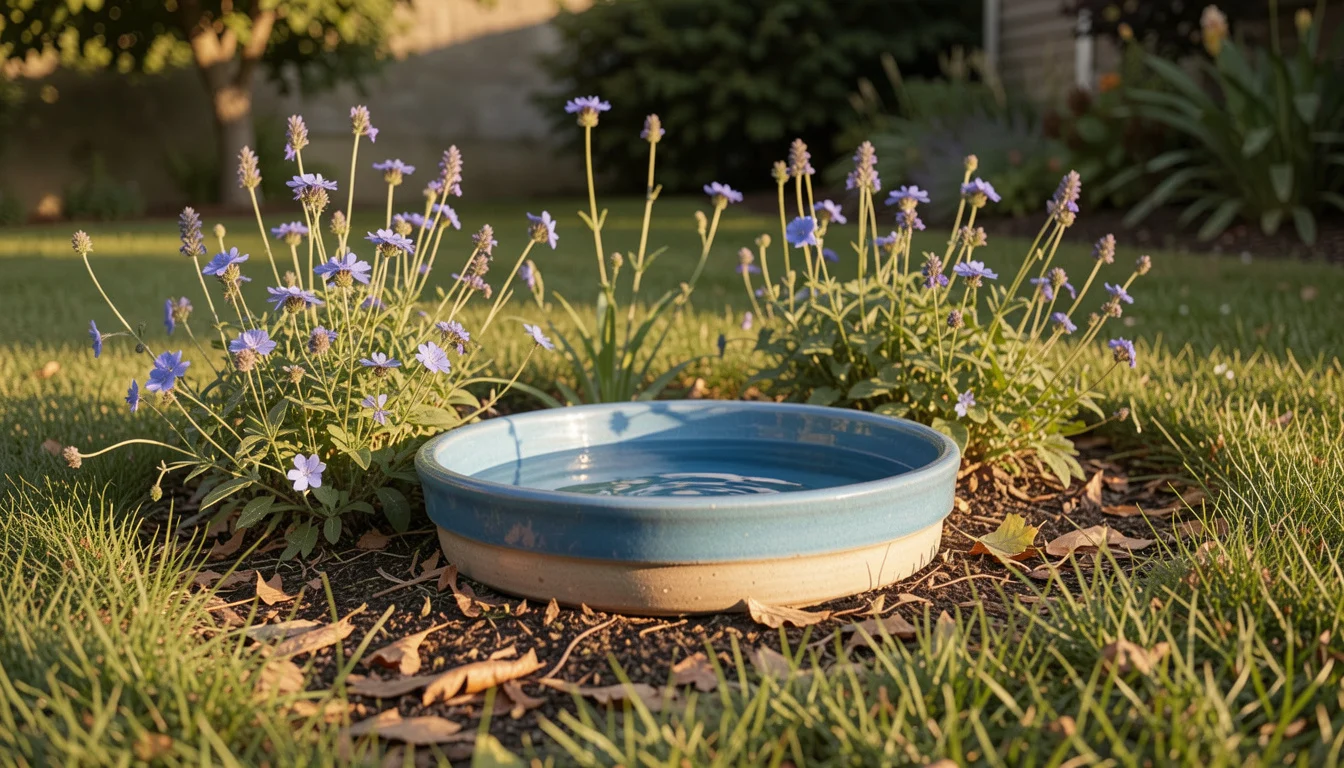
A varied garden can offer more habitat than a lawn change alone. Where space allows, consider native flowering plants, a small area of leaf litter, or a suitable water source. Choose additions you can maintain, and avoid making a single feature the whole plan.
Avoid routine pesticide and herbicide use where possible. These products can affect plants and insects, so read the label and follow applicable local guidance if you use them. For safe handling or disposal of unwanted products, check local rules and this guide to recycling household chemicals.
Water use also depends on the plants and weather. If you are rethinking outdoor water habits, these ways to reduce household water use may help with broader planning, though lawn needs vary by region.
How to Let Your Lawn Go Wild Without Losing Control
Choose one section, reduce mowing there, observe what grows, and then adjust the boundary or cutting pattern. Keep an edge or path mown if it makes the area easier to use and helps it look intentional. This approach leaves room to change course without having to rework the whole yard.
Letting grass grow still involves decisions: whether to keep access clear, how to handle unwanted or invasive plants, and when to cut and remove excess growth. The appearance also changes through the year. A patch may look tall or untidy before it flowers, and a lawn left alone will not necessarily become a wildflower meadow.
A Simple Plan for the First Year
Use the seasons as cues, not fixed deadlines. Begin by observing the lawn and identifying areas that stay sunny, shaded, damp, or dry. Make changes when conditions and the chosen seed or planting instructions suit the site. Keep a mix of short and longer grass, then review what worked after the growing season.
- Map how you use the lawn and note its light and moisture conditions.
- Choose one low-use area as a trial.
- Check the site and the seed or plant requirements before sowing.
- Adjust mowing to retain both short grass and flowering opportunities.
- Record what flowered, where the lawn was practical to use, and what you would change.
Judge progress by whether the lawn has a more varied structure and offers suitable plants opportunities to flower, not by a promised wildlife count. Your next step is to mark one area you can leave longer and check which plants already grow there before changing your routine.
📱 See this content as a Web Story
Frequently Asked Questions
When is the Best Time to Cut Long Grass for Wildlife?
There is no universal date. Check what is flowering or setting seed, look for wildlife before cutting, and follow local guidance for your region and the plants in the area.
What Happens If You Stop Mowing Your Lawn?
The grass grows taller and may flower or set seed. Depending on site conditions and the plants already present, the area may become more varied or develop into coarse growth that still needs management.
How Can You Let a Lawn Grow Wild Without It Becoming Unmanageable?
Begin with a defined patch, keep a mown edge or path, and observe what grows before expanding it. Periodic cutting and removing heavy cuttings can help keep the area in the shape you want.
Is Clover Lawn Seed Suitable for an Existing Lawn?
It can be, but establishment depends on the existing grass, seed selection, soil, and preparation. Check the supplier’s instructions and site requirements before sowing.
Is a Moss Lawn or Chamomile Lawn a Good Wildlife-Friendly Alternative?
Either may suit some sites, but neither is a universal replacement for grass. Check the area’s light, moisture, climate, and foot traffic, along with the plants’ upkeep requirements, before deciding.