
Peat-Free Gardening: How to Choose Better Potting Mixes
How to choose peat-free growing mixes: differences between seed-starting compost, potting soil for containers, and compost-rich products for garden beds expl…
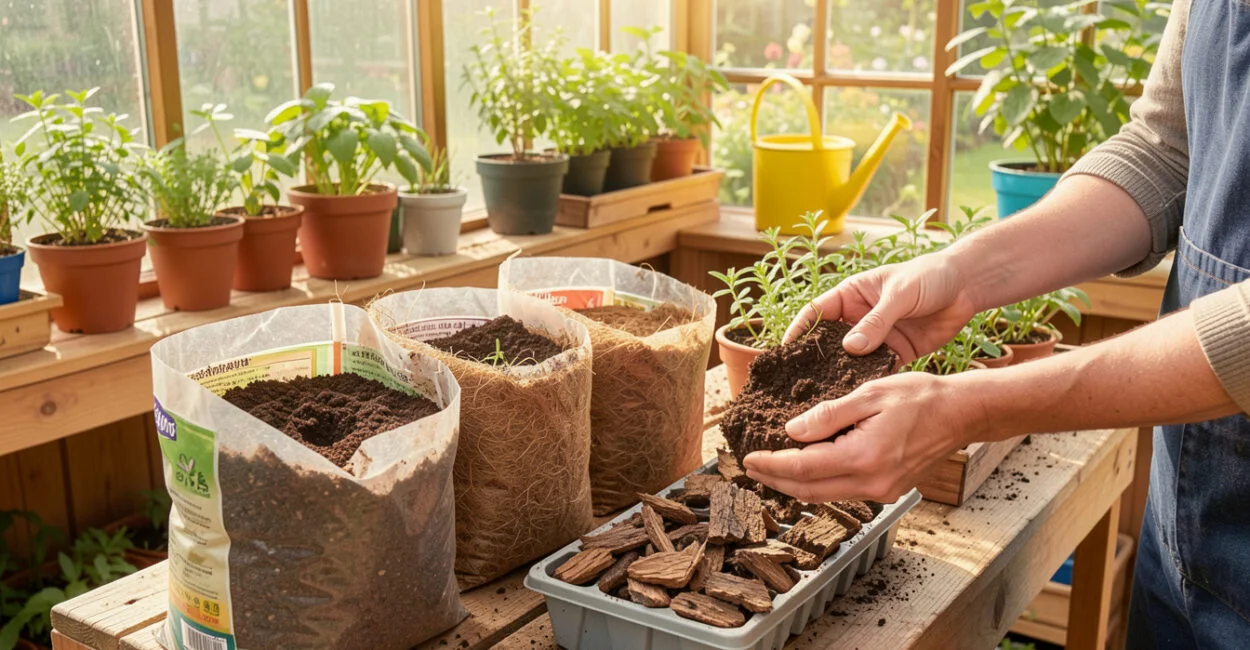 Comparing textures in peat-free potting mixes
Choosing peat-free compost means choosing a growing medium whose ingredients, structure, and feeding life may differ from bag to bag. The right option depends on what you are growing and where: seed trays need a finer, lower-nutrient mix than established plants in containers. Check the ingredient list and care instructions, not just the “peat-free” claim.
Peat-Free Compost or Potting Soil: Which Should You Choose?
Choose a peat-free seed-starting mix for germination, a container potting mix for most plants in pots, and a coarser, more compost-rich product for improving garden beds. Peat-free describes the absence of peat; it does not specify a single recipe or guarantee that a product is organic, chemical-free, or suitable for every plant.
Technically, compost is decomposed organic material, while potting soil is a formulated growing medium for containers and may contain compost alongside other ingredients. Despite its name, most bagged potting soil is not field soil. “Soil-free compost” is an imprecise label sometimes used for a growing medium without mineral topsoil; check the ingredients to see what the product actually contains.
How Peat-Free Potting Soil Differs by Ingredient
Peat-free mixes replace peat with materials that affect water retention, airflow, weight, and nutrient supply in different ways. The Royal Horticultural Society’s peat-free gardening guidance discusses common alternatives and why mixes can vary.
Material What it contributes What to watch for Coir Holds water; helps create a light mix Can dry out unevenly; nutrient content varies Composted bark or wood fiber Adds structure and air spaces Coarser grades may not suit small seeds Green-waste compost Can supply nutrients and organic matter Texture and nutrient levels vary by product Composted bracken or other plant fibers Can add bulk and structure Availability and recipe differ by region Perlite or grit Improves drainage and air movement Does not provide meaningful nutrition
These materials are not interchangeable, and manufacturers may blend several. A product’s performance depends on particle size, processing, proportions, and intended use; there is no single ingredient that proves a mix is high quality.
Choose a Mix for Your Plants and Purpose
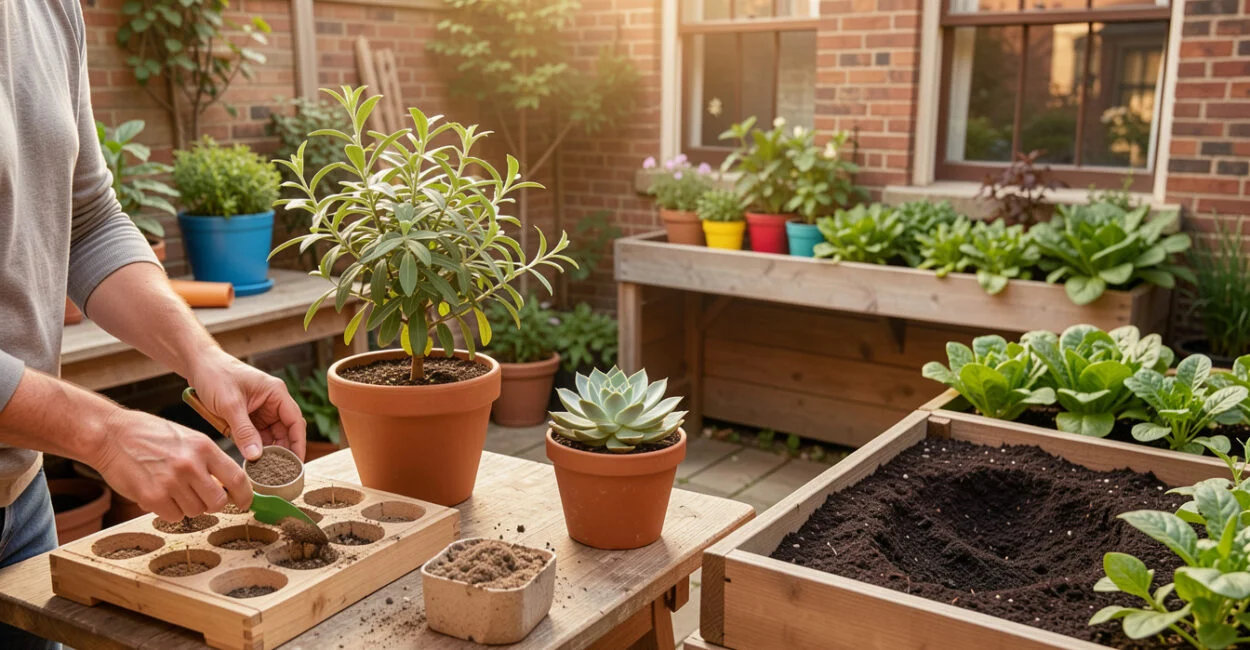
- Seed starting: Choose a fine-textured mix labeled for seeds or propagation. A chunky blend can leave large air gaps around small seeds and dry unevenly.
- Containers and houseplants: Look for a mix that drains freely while holding enough moisture for your watering routine. Succulents and other plants that need fast drainage may require a product labeled for them or an amended mix.
- Garden beds: Choose compost or a soil conditioner intended for outdoor use, and follow the label’s application directions. A container mix is not automatically the best or most economical bed amendment.
The best compost for plants is therefore purpose-specific. University of Maryland Extension guidance on potting mixes also emphasizes choosing a medium suited to the plant and container, rather than treating all mixes as equivalent.
For small-space food growing, compost can be one part of a broader setup; these ideas for apartment composting in limited space may help you plan how to handle kitchen scraps and finished compost.
How to Judge Quality and Read the Label
Assess a mix by its stated use, texture, drainage, and nutrient information. A useful label identifies whether the product is for seeds, containers, or beds; lists ingredients; and explains whether it contains fertilizer and how long that feeding is expected to last.
Open a bag carefully and check for a reasonably consistent texture, without large clumps or an unpleasant sour smell. A very fine mix can compact in pots, while a very coarse one may not keep small root balls evenly moist. Neither texture alone proves that a product is defective, but it should suit the plant and container.
The US Composting Council’s Seal of Testing Assurance program provides information about compost testing and product data. A testing seal can help you evaluate a product, but it does not replace checking whether the compost is intended for your use.
Read also: How to Choose a Green Electricity Plan for Your Home
Does Peat-Free Compost Need Extra Fertilizer?
Sometimes; it depends on the mix’s nutrient content and how long any added fertilizer is intended to feed plants. Check the label before adding fertilizer, since feeding too soon can over-fertilize seedlings or plants in a mix that already contains nutrients.
How to Switch to Peat-Free Mixes
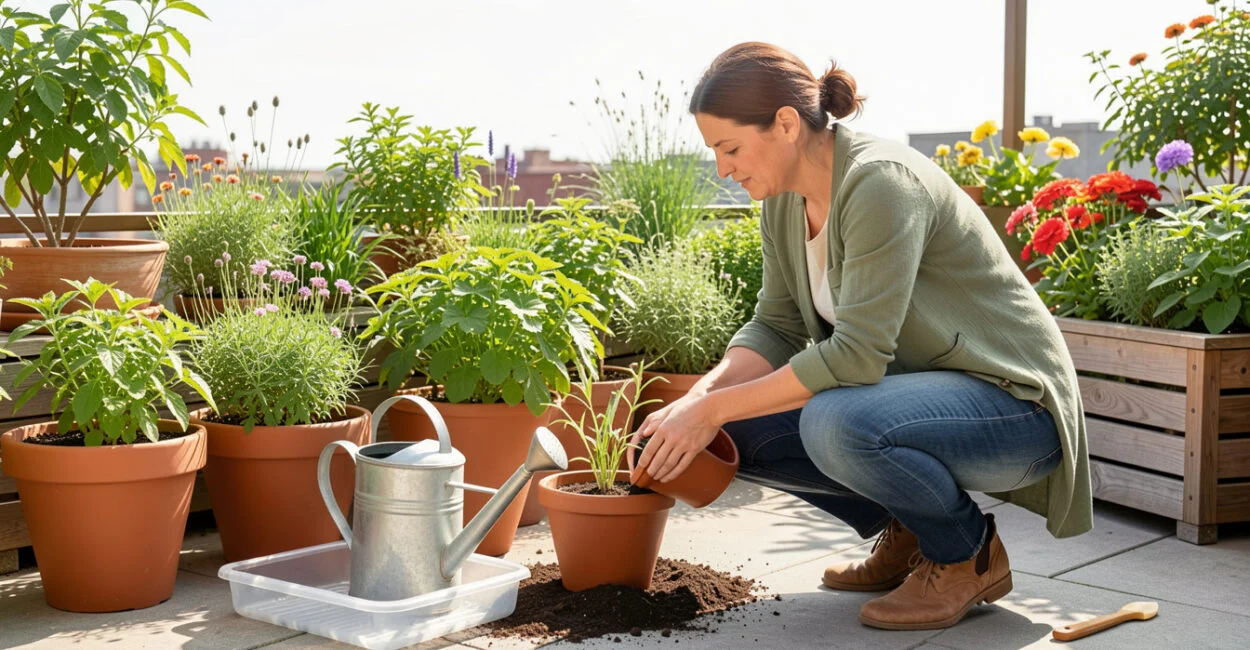
When switching, adjust watering by checking the mix rather than following a fixed schedule from your old product. Peat-free blends can differ in how quickly they absorb water, drain, and dry; feel the medium below the surface and note how heavy the pot is after watering.
A common mistake is to water a new mix on the same timetable as a familiar peat-based one. If the new blend retains less water, the root ball can dry before the next scheduled watering; if it drains poorly in a particular pot, repeated watering can leave roots sitting wet. Water thoroughly, let excess drain, then monitor the plant and medium to set a new routine.
Can Peat-Free Compost Be Reused?
It can sometimes be reused for established plants if it is clean, free of pests and disease, and still has a workable structure. Old compost may have depleted nutrients or collapsed into a dense texture, so avoid reusing it for seed starting and do not reuse material from diseased plants.
How Should Peat-Free Compost Be Stored?
Keep it sealed or covered in a cool, dry place, protected from rain and contamination. Follow the package instructions, and do not store a damp, tightly packed bag for long periods where it can become compacted or develop an unpleasant odor.
Where to Buy Peat-Free Compost, Including in Bulk
Garden centers and home-improvement stores commonly carry bagged options; online garden suppliers may offer more specialized mixes or larger quantities. To search for “peat free compost near me” or “where to buy compost in bulk near me,” check current local retailer listings and confirm stock, delivery area, and product purpose directly with the seller.
For bulk orders, ask about the mix’s ingredients, screening, delivery minimums, and whether it is sold loose or bagged. If searching for “free bulk compost near me,” check your city or county waste-management department and local community garden programs; availability and eligibility vary, so confirm that the material is finished compost and appropriate for your plants.
Buying a growing medium is one practical purchasing choice among broader household decisions about durability and environmental claims. This overview of choosing durable, eco-friendly products offers a related way to assess product information.
Common Peat-Free Products and Buying Considerations
Brand names do not tell you the complete recipe. For a search such as “Miracle-Gro peat-free compost,” check the exact product name and current package label: formulations and availability can vary by product and market, so do not assume every Miracle-Gro compost or potting mix is peat-free.
Look for an explicit peat-free statement and inspect the ingredient list, intended use, and fertilizer directions. Peat-free is a composition claim, not a certification of organic production or overall environmental impact. The RHS notes that alternatives have their own sourcing and performance considerations, so the label and product details matter.
When comparing environmental claims, consider what the manufacturer actually discloses about ingredients and sourcing. That can help distinguish a clear, verifiable claim from a broad marketing phrase.
📱 See this content as a Web Story
Frequently Asked Questions
Does Peat-Free Mean Organic?
No. Peat-free only means the product does not contain peat; it does not establish that the ingredients meet an organic standard.
Is Peat-Free Compost Suitable for Every Plant?
No single mix suits every plant. Match texture, drainage, and nutrient content to the plant’s needs, particularly for seeds, succulents, and plants sensitive to prolonged wetness.
Can Compost for Garden Beds Go in Pots?
Not automatically. Bed compost may be too dense or have a different nutrient balance for containers, where drainage and air around roots are important. Use a product labeled for pots unless the manufacturer says otherwise.
How Can I Tell Whether a Bag Contains Peat?
Read the package for an explicit peat-free claim and check the listed ingredients. If the wording is unclear, ask the manufacturer or retailer to confirm the current formulation.