
How to Make a Small Front Porch Feel More Welcoming
Small front porch ideas that keep the route to the door clear and give the eye one focal point, from a well-sized mat or planter to suitable lighting.
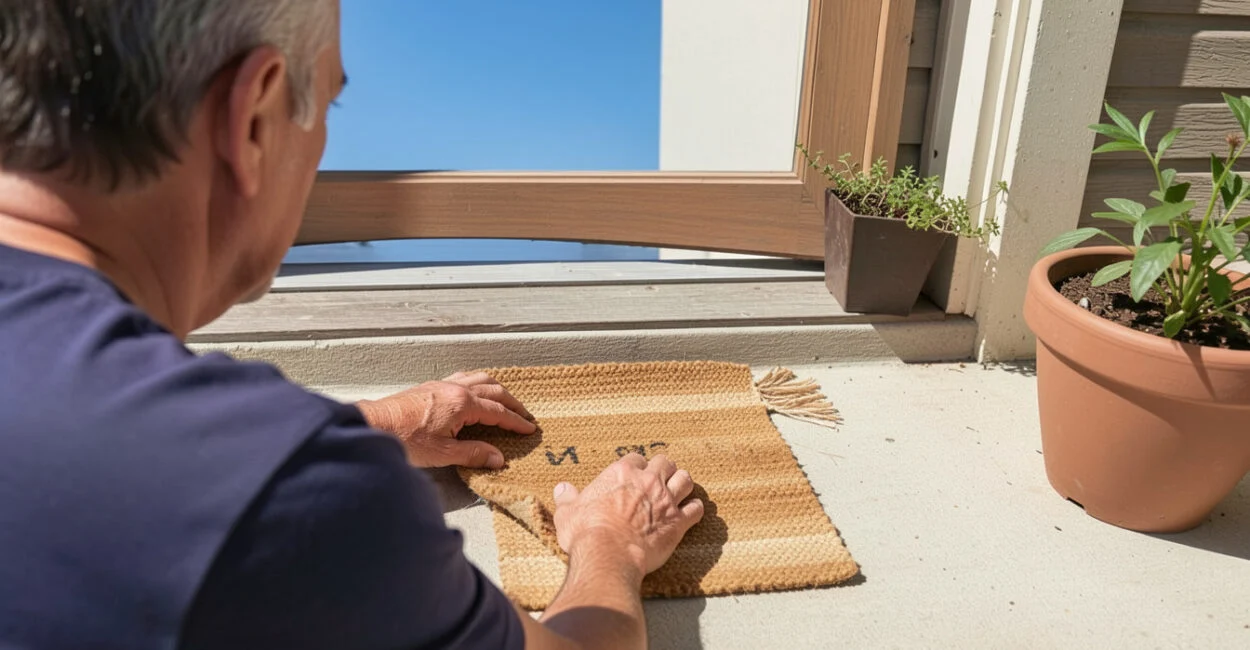 A clear path to the door
A welcoming small front porch needs a clear route to the door, one visual focal point, and details scaled to the space. A shallow landing or narrow porch may not have room for seating, but it can still feel finished with a well-fitting mat, suitable lighting, or a compact planter. The ideas below move from quick edits to choices that may involve installation or construction.
Start with the porch’s dimensions, door swing, weather exposure, and condition. A useful design principle is to preserve the entry’s clear width: in everyday terms, leave enough room to open the door and walk through without shifting a pot or squeezing past a chair. The U.S. Access Board’s accessibility guidance offers technical context, though the rules that apply to a particular home or project depend on the property and local requirements.
1. Clear the Floor and Choose One Focal Point
A small porch feels more welcoming when the entrance is easy to use and the eye has one place to land. Remove anything that no longer serves a purpose, then choose a single anchor: perhaps a distinctive doormat, a painted door, a planter, or a porch light. This is the simplest place to start because it costs nothing to edit clutter.
Check the door’s full swing before arranging what remains. A pot that sits neatly beside the door when it is closed may end up in the way once it opens. Keep house numbers, handrails, and the route to the steps visible and clear, too. If you want a coordinated look beyond the porch, the ideas in this budget-friendly guide to decorating a small backyard patio can help you carry a restrained color palette into nearby outdoor spaces.
2. Define the Entry with a Well-Fitting Mat
A doormat marks the doorway and adds color or texture without requiring much floor space. Choose one that fits the landing and works with the door, trim, or planters already there. A narrow runner can suit a deeper porch, but it is optional; on a shallow landing, a single mat may be all the floor can comfortably hold.
Fit matters more than a fashionable material. The mat should lie flat, leave the door free to open, and avoid creating a raised edge that someone could catch a foot on. Rain, snow, sun, and the porch surface all affect which materials hold up, so check care instructions and how the product is meant to be used. If it curls or shifts, it can make the entry harder to use rather than more welcoming.
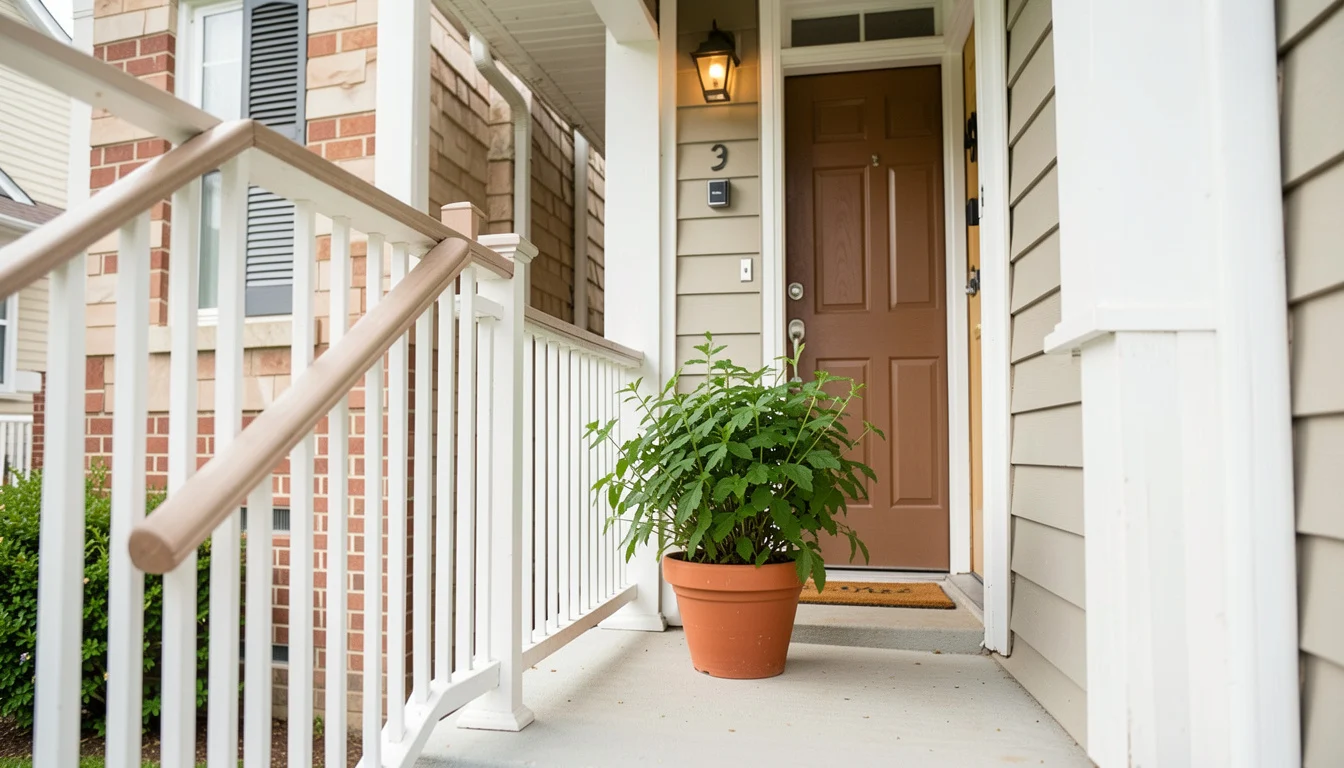
3. Add Compact Greenery Where It Can Thrive
Greenery brings color and softness to an entry, but the planter needs to suit both the porch and the plant. A single compact pot may work on a wider landing. On a narrow one, a railing planter or wall-mounted container can preserve floor space, provided it attaches securely and does not block a handrail, light, house number, or walking path.
Before choosing plants, check how much sun the porch receives, how exposed it is to wind, and where water will drain. Account for the plant’s mature size, not just its size at purchase. A container that looks modest in spring can crowd the door later in the season. For ideas on choosing flowers for outdoor containers, see this guide to container flowers that attract pollinators.
4. Improve the Lighting for a Warmer Arrival
A suitable porch light makes the entry easier to see after dark and can help the doorway feel more inviting. Match the fixture’s scale to the house and porch, and consider whether its light shines toward the door or into someone’s eyes. On a very small porch, a single well-proportioned fixture often looks calmer than several competing lights.
Replacement fixtures need to match the existing electrical setup and suit outdoor exposure. If the work involves new wiring, a different electrical box, or uncertainty about the installation, consult a qualified electrician. The Consumer Product Safety Commission’s electrical safety guidance offers general safety information, but it does not replace advice for your home’s wiring or local requirements.
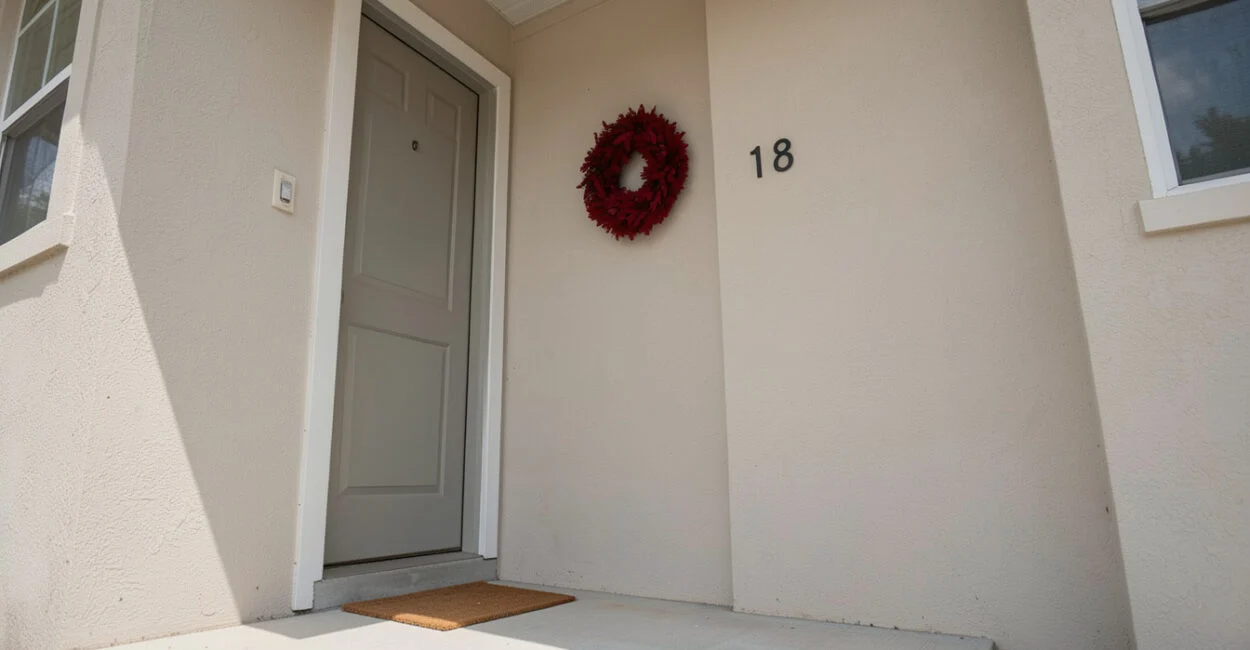
5. Use Vertical Details Instead of Extra Furniture
House numbers, a seasonal wreath, or one modest wall decoration can add character without taking up floor space. Repeating an existing finish, such as the color of the door hardware, helps the detail feel connected to the house. Keep the arrangement limited so it does not obscure the door, windows, lighting, or identifying information.
Wall-mounted objects need to suit the wall material and local weather. A lightweight decoration still needs secure attachment if wind could catch it. If you are choosing outdoor wall art, consider the guidance on selecting weather-resistant outdoor wall art before adding a piece exposed to rain or sun.
6. Refresh the Surface, Railing, or Door Color
A clean, maintained porch surface can improve the whole entry before you add another accessory. Sweep away debris, clean the railing, and look for peeling paint, loose boards, or other damage. For cosmetic work, identify the surface material and choose products designed for that material and its exposure; paint or stain intended for one surface may not suit another.
A door color or a small accent palette can tie the porch together, but there is no universally right shade. Check how the color relates to the siding, trim, and nearby finishes, and confirm that the coating suits the door material. If a railing feels loose or boards appear damaged, treat that as a repair issue, not a decorating opportunity. A qualified professional can assess components that may be unsafe.
7. Add Seating or Consider a New Porch Only If the Space Allows
Seating is optional. A slim bench, compact chair, or folding seat can work on a deeper porch when it stays clear of the door swing, steps, and access route. In a narrow or very shallow space, skipping furniture may leave the entrance more comfortable to use. One useful seat is usually easier to fit than a group of chairs and a side table.
If the existing porch cannot meet your needs, a prefabricated option or a new, larger porch may be worth investigating. A product advertised as prefab is not automatically a fit for a particular home: dimensions, site conditions, attachment method, and structural requirements all matter. Check the product instructions and local building rules, and consult a qualified contractor or building official before planning construction. Requirements vary by location and project, so general decorating guidance cannot determine whether a particular structure is permitted or safe.
How to Choose the Right Approach for Your Porch
Begin by measuring the usable floor area and noting which way the door opens. Then ask what the porch needs most: a clearer path, a brighter entrance, a touch of color, or a place to sit. If the landing is shallow, prioritize wall details and a well-fitting mat. If the porch gets strong sun or wind, make plant and material choices around those conditions.
Set a budget after separating easy updates from repair or construction work. Editing clutter, cleaning, and rearranging cost little; lighting changes, new finishes, and planters require more planning. A symmetrical layout can suit a centered doorway, while an off-center entrance may look better with one intentional accent. For ideas that depend on your exact layout, look for front porch design photos showing a similar porch depth, door position, and exposure rather than copying a look built for a larger space.
Idea Best for Standout feature Clear the floor Any porch, especially a shallow landing Improves access without new purchases Choose a fitting mat Entries with a little clear floor space Defines the doorway with minimal footprint Add compact greenery Porches with suitable light and drainage Can use vertical space Update lighting Entries that need a more inviting look after dark Adds a functional design feature Use vertical details Narrow porches with usable wall space Adds interest without floor clutter Refresh surfaces Porches with worn but repairable finishes Improves the appearance of existing features Add seating or explore construction Deeper porches or homes needing more space Requires careful clearance or feasibility checks
Conclusion
Let the porch’s dimensions and daily use set the limits. A clear doorway and one well-chosen detail can make a small entrance feel considered; seating and construction are only worthwhile when they fit the space and meet its practical needs. Start with what you can improve safely, then add only what the porch can comfortably hold.
📱 See this content as a Web Story
Frequently Asked Questions
What Should Go on a Very Small Front Porch?
Start with a clear route to the door and choose one focal point, such as a mat, door color, or compact planter. A very small landing may not have room for seating.
How Can I Decorate a Narrow Porch Without Blocking the Entrance?
Keep the floor open where possible. Use a wall detail or securely mounted planter only if it does not obstruct the door, handrail, house numbers, lighting, or walking route.
Can I Add a Bench to a Small Front Porch?
Yes, if the bench fits without blocking the door swing, steps, or access route. Measure the space with the door open before buying; if clearance is tight, leave seating out.
Do I Need Approval to Build or Enlarge a Front Porch?
That depends on the project and local requirements. Check with your local building department and consult a qualified contractor or building official before changing the structure or attaching a new porch to the home.