
How to Make Vet Visits Less Stressful for Your Dog
Reduce dog anxiety at the vet with reward-based handling practice, calmer travel and clinic adjustments. Learn when severe fear needs veterinary support.
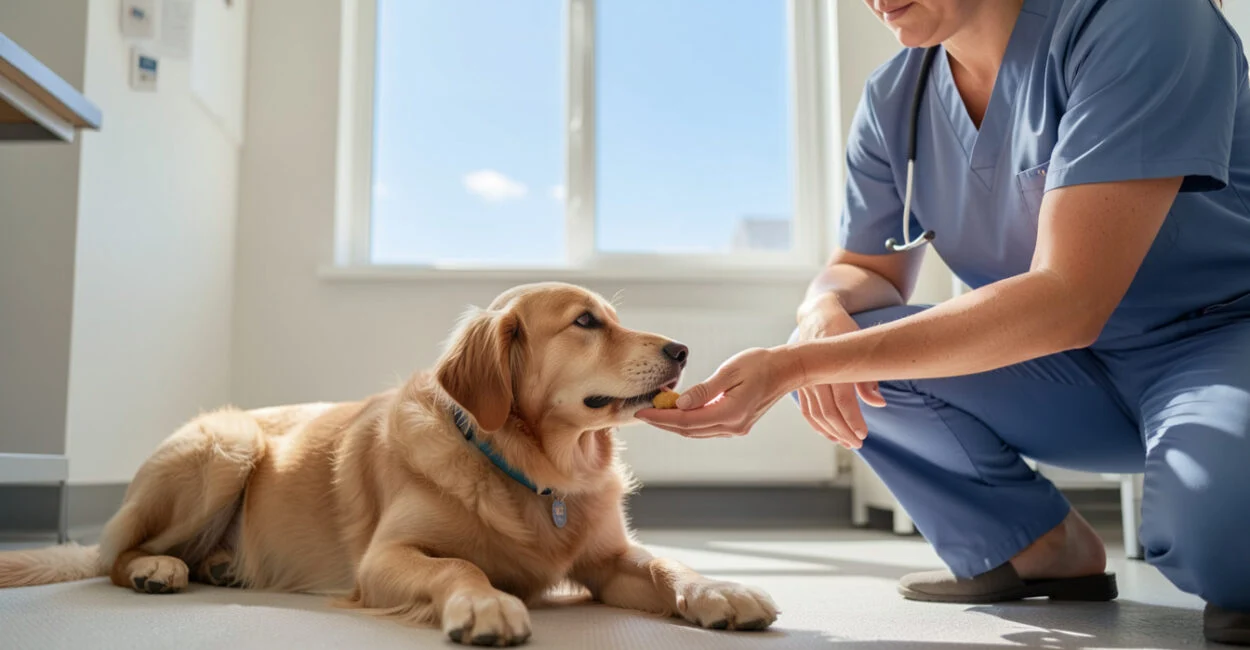 Dog settles after a supportive clinic visit
A dog can start trembling before the car even leaves the driveway, so easing vet-visit anxiety often begins well before the appointment. Gradual reward-based practice at home, calmer travel, and a plan made with the veterinary team can reduce distress. If fear is severe or getting worse, ask the veterinarian about behavior support and whether medication may help.
Dogs show fear in different ways: some freeze or hide, while others pant, bark, growl, tremble, or try to escape. The goal is to make necessary care safer and less frightening, not to guarantee that every dog will enjoy a clinic visit.
Training takes practice, and urgent care should never wait for a dog to become comfortable with handling.
Key Takeaways
- Tell the clinic about your dog’s triggers and past reactions before you arrive.
- Practice brief, comfortable handling and travel at home, rewarding calm participation.
- Ask the clinic about ways to reduce waiting-room exposure and adapt the exam.
- For intense fear or safety concerns, get a veterinary plan instead of trying to manage the visit alone.
How to Reduce Dog Anxiety at the Vet
To reduce your dog’s anxiety at the vet, prepare with gradual, reward-based practice at home, keep travel and waiting as calm as you can, and tell the veterinary team what your dog finds difficult. Ask about adjustments the clinic can offer, such as waiting in the car or changing the pace of an exam. Severe or persistent fear calls for a tailored plan from your veterinarian. In behavior terms, fear is a response to a perceived threat; clinic anxiety can begin before arrival and continue through handling, unfamiliar smells, sounds, and contact with other animals. A dog’s response can shift from one visit to another, so share what you observe rather than assuming a particular sign has one cause. Pain or illness can also affect tolerance for touch.
A common mistake is to push through a dog’s distress because the appointment is already underway. A dog that stiffens when a paw is touched may need a pause and a different approach, not more pressure.
For essential or urgent care, call the clinic for instructions rather than delaying treatment while you work on training.
Prepare Before the Appointment
Call the clinic before the visit and describe specific triggers, sensitive body areas, previous difficult appointments, and any risk of biting or escape. That information lets staff discuss a suitable arrival and handling plan before your dog is in a busy lobby.
Situation or trigger What to tell or ask the clinic Possible adjustment to discuss Fear of other animals Explain whether proximity causes distress. Waiting outside or in the car until an exam room is ready, if available. Difficulty with handling Identify sensitive body areas and prior reactions. A slower approach, breaks, or a modified examination plan, when appropriate. Travel or carrier distress Describe what happens during transport. Advice on safe transport and gradual practice. Possible bite or escape risk State the concern plainly before arrival. Clinic-specific arrival and handling instructions.
Ask whether a quieter appointment time is possible or whether you can wait away from other animals. These options depend on the clinic’s schedule and setup. Bring familiar, high-value treats if your dog can safely eat them and the veterinary team has not instructed you to withhold food. Confirm any fasting or medication instructions with the clinic.
Build Positive Associations at Home
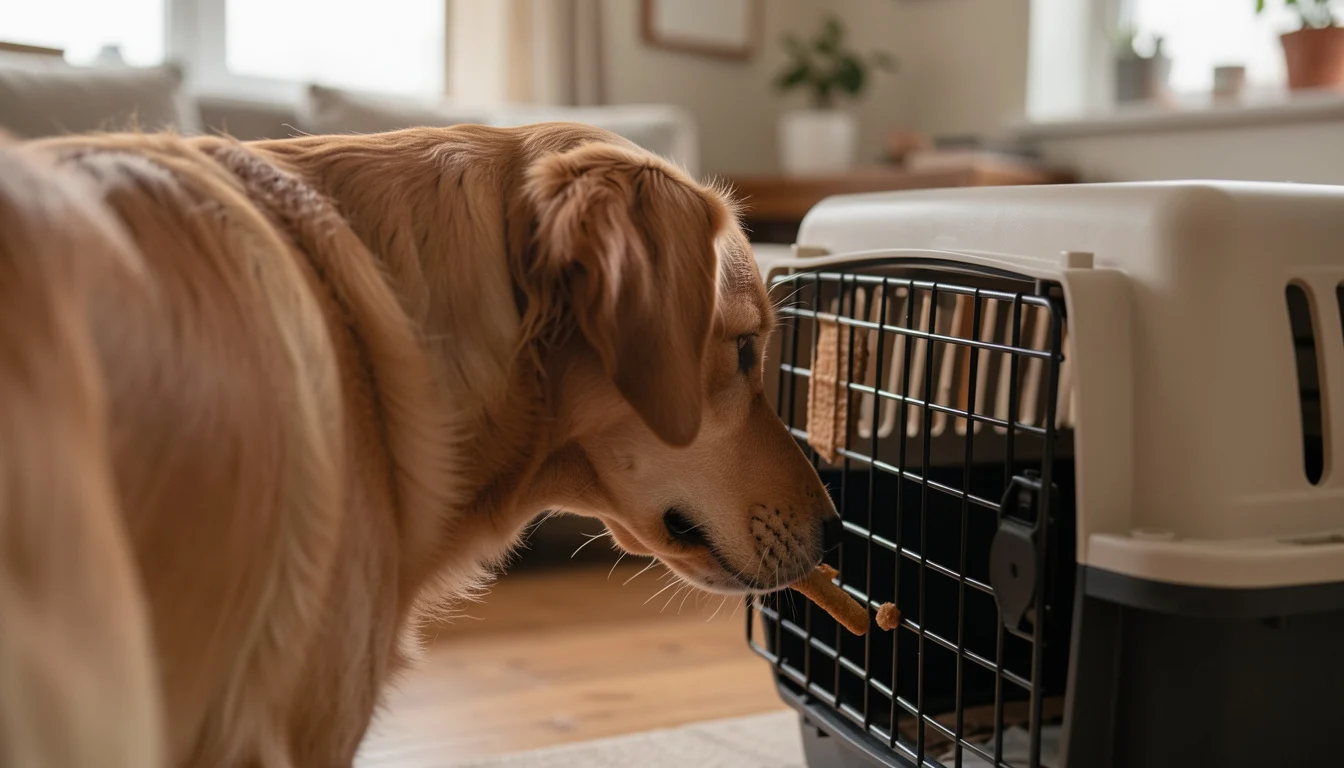
Gradual, reward-based practice means introducing a trigger in small steps that your dog can tolerate, then pairing calm engagement with something rewarding. Let your dog investigate a carrier, harness, or mat voluntarily.
For handling practice, briefly touch an area such as a paw or ear only while your dog remains comfortable, then stop before tension builds.
- Let the dog investigate the carrier, harness, or mat voluntarily.
- Pair brief, comfortable handling with rewards.
- Practice calm settling and short travel exposures when appropriate.
- End a practice session if the dog’s distress increases.
- Keep a note of triggers and successful strategies to share with the clinic.
Keep sessions short and make each step easier if your dog starts avoiding, freezing, or showing rising distress. Do not force exposure or attempt painful or medically complex procedures at home.
If you use a marker to signal the moment your dog does something you want to reward, this step-by-step introduction to clicker training explains the basics.
For example, if your dog pulls away when you reach for a paw, start by rewarding a calm glance at your hand near the leg. Over later sessions, move closer only while the dog stays relaxed, then stop and reward. The goal is to build comfort in small increments, not to complete a full nail trim in one sitting.
Make Travel and Waiting More Comfortable
Use a familiar blanket or a secure carrier where it suits your dog, and secure the dog appropriately for the trip. Keep the car ride calm; avoid turning travel into a series of forced interactions or greetings. If car rides themselves trigger distress, mention that when you call and ask the veterinary team for transport guidance.
Some dogs settle better outside or in the car until an exam room is ready, but follow the clinic’s instructions and never leave a dog unattended in unsafe conditions. At the clinic, keep distance from other animals where possible and limit unnecessary handling. Scolding, punishment, or forcing greetings can intensify fear and create a bite or escape risk.
Work with the Veterinary Team During the Visit
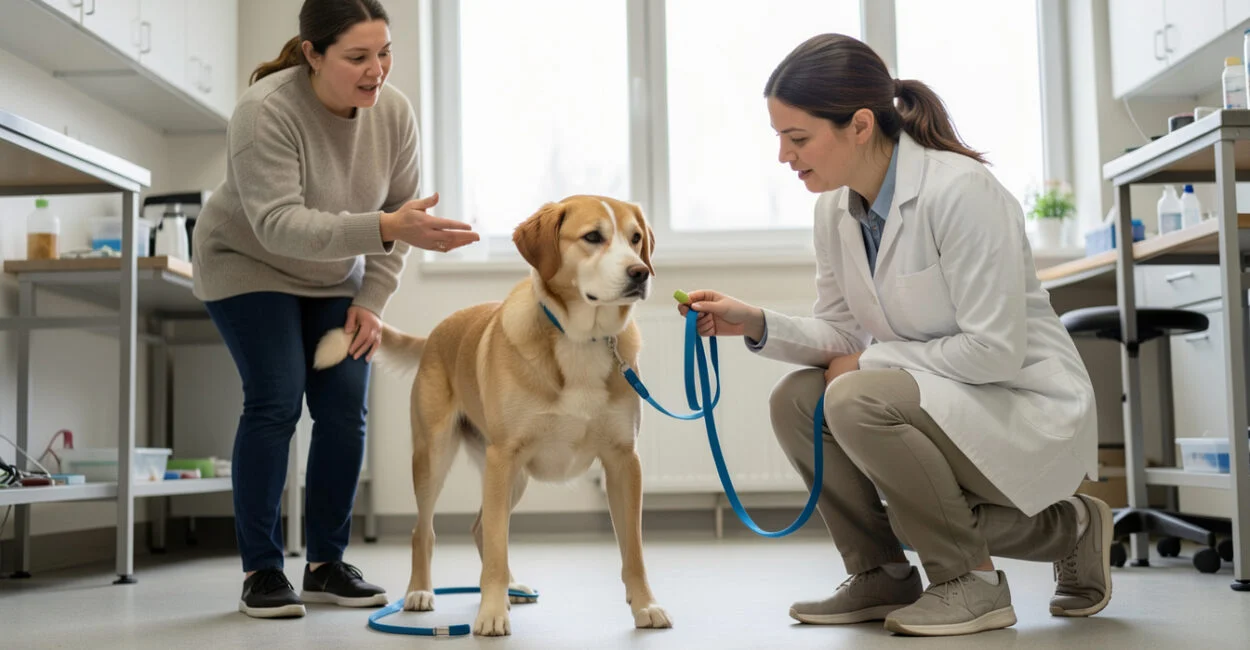
Before the examination begins, tell staff what your dog finds difficult and agree on an approach. When medically appropriate, the team may slow the pace, offer treats, take breaks, or change the setup. These adjustments can help, but the safest plan depends on the dog, the exam, and the clinic’s assessment.
Follow staff directions and do not restrain your dog unless they ask you to and show you how. Unfamiliar restraint can increase fear and put both the dog and people at risk. If your dog may bite, panic, or cannot be examined safely, discuss a handling plan with the veterinarian rather than attempting to control the situation alone.
The Fear Free approach to veterinary care focuses on reducing fear, anxiety, and stress during animal care. You can ask your clinic what low-stress handling options it uses; services and protocols vary between practices.
When to Ask About Extra Support
Mild, brief nervousness may be manageable with preparation, while intense or worsening fear deserves professional help, particularly if it prevents necessary care or creates a safety concern. Ask your veterinarian about a behavior plan, gradual training, or referral to a qualified veterinary behavior professional. A sudden change in behavior also warrants a prompt call, since pain or illness may be part of the picture.
Medication may suit some dogs as part of a veterinary plan, but the veterinarian must select and direct it. Do not give human medication or try a calming product without veterinary guidance. The American Veterinary Medical Association’s pet-owner resources offer general guidance; your dog’s clinician should advise on individual care and appointment instructions.
Make the Next Visit Easier
After the appointment, give your dog a quiet chance to decompress. If your dog remains unsettled, avoid adding extra handling or demanding activity right away. Make a short note of what triggered distress and what seemed to help, then share it with the clinic before the next visit.
Continue brief, positive practice between appointments instead of waiting until the next trip. Progress varies, and some dogs will still need extra support. Keep up with preventive care, and ask the clinic how to make essential visits manageable rather than skipping them.
Frequently Asked Questions
Can I Give My Dog Medication Before a Vet Visit?
Only give medication if your veterinarian has recommended it for your dog and explained how to use it. Check with the clinic before the appointment, especially if your dog has health conditions or needs to fast.
What Should I Do If My Dog Growls or Tries to Bite at the Vet?
Tell the clinic before arrival and follow its instructions for entering and handling your dog. Do not punish the growl or try to restrain a distressed dog on your own; ask the veterinarian to make a safe care plan.
Should I Take My Dog to the Vet If They Are Extremely Anxious?
Do not skip needed care because your dog is frightened. Call the veterinary team, explain what is happening, and ask how to proceed; if the problem may be urgent, say so when you call.
Can Puppies Learn to Feel More Comfortable at the Vet?
Yes. Gentle, reward-based introductions to travel, clinic-like handling, and brief settling practice can help puppies build positive associations. Keep each exposure comfortable and ask the veterinary team what is appropriate for your puppy’s age and health.
Should I Feed My Dog Treats During the Examination?
Ask the clinic first. Treats can be useful for some dogs, but fasting instructions, medical needs, or the planned procedure may make food unsuitable.
How Can I Tell Whether My Dog is Too Stressed to Continue?
Freezing, trying to escape, escalating vocalization, or defensive behavior are reasons to pause and alert the staff. No single sign confirms what a dog is feeling, so describe the behavior and let the veterinary team judge whether to adjust the exam.