
Bird-Friendly Backyard Features That Bring Nature Closer
How to create a backyard that meets birds’ essential needs: fresh water sources, native plants for food and shelter, clean feeders, and window safety measures.
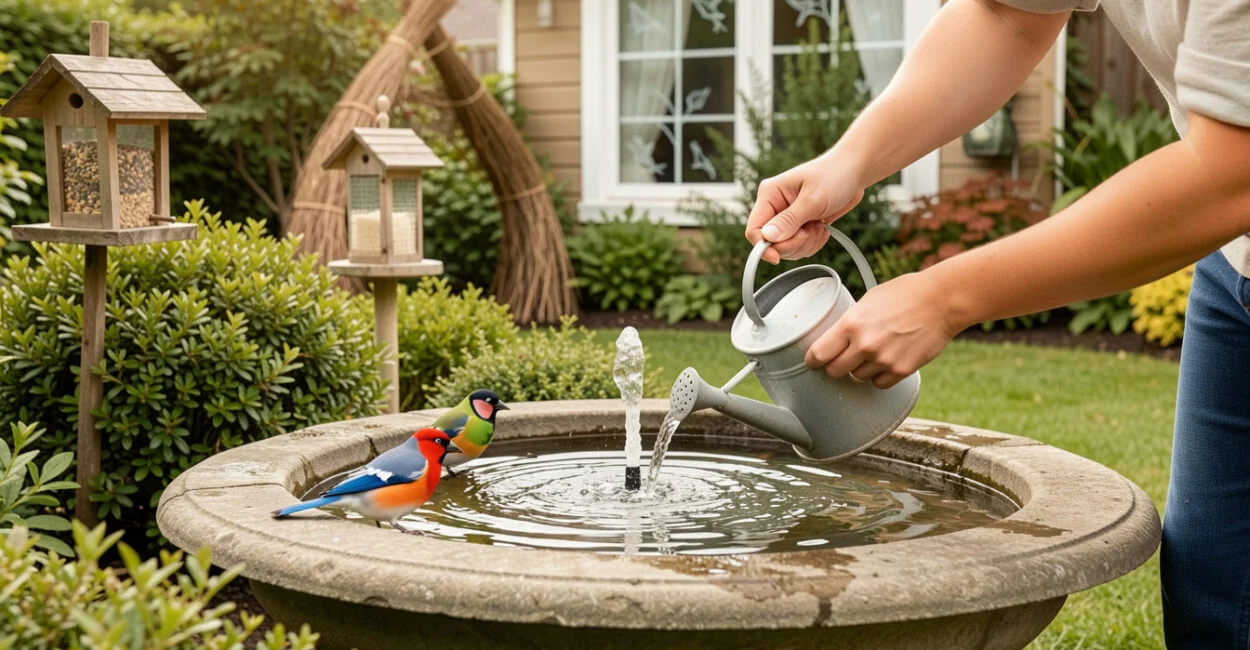 Fresh water welcomes backyard birds
# Bird-Friendly Backyard Features That Bring Nature Closer
A welcoming backyard gives wild birds places to find food and water, shelter from weather and predators, and safe spots to nest. The best improvements depend on your region, the birds that pass through, and the space you have. These seven features are ordered from basic habitat needs to added protections, so you can start with the most useful changes.
Start with the Essentials of a Bird-Friendly Backyard
A bird-friendly backyard is an outdoor space that provides suitable food, clean water, shelter, and nesting opportunities while reducing hazards such as window collisions and contaminated feeders. In plain terms, it gives birds what they need to visit or live nearby without making them depend on a feeder alone.
Priority checklist: provide a reliable source of fresh water; add regionally appropriate native plants for food and cover; keep any feeders clean and safely placed; and make nearby windows visible to birds. If you can add only one feature, start with a birdbath or another clean, shallow water source. Food and shelter may already exist in nearby yards, but dependable water can be scarce in dry or hot weather. Local conditions matter, so the best first step may differ during a drought or in a landscape with few natural food sources.This list moves from core habitat needs to specific nesting and safety features. The goal is a backyard bird habitat that fits your space, not a collection of equipment.
1. Provide Fresh, Moving Water
Water supports drinking and bathing, and moving water can make a source easier for birds to notice. A shallow birdbath is a practical first addition for many yards. Keep the water only a few inches deep, with a gently sloped edge or stones that give small birds a secure foothold.
| Water feature | Best for | Standout detail |
|—|—|—|
| Shallow birdbath | A low-cost, low-maintenance start | Easy to refill and scrub |
| Dripper | Drawing attention to a small basin | Moving water creates sound and ripples |
| Small fountain | A larger yard or patio | Circulation can help keep water moving |
Place the basin where birds can see around it, near cover but not directly beneath dense branches where falling debris collects. A common practical snag: a bath that looks clean from a distance can develop a slippery film at the waterline. Empty and scrub it every few days, more often in hot weather or when it gets dirty, then refill with fresh water. Moving water does not replace cleaning.
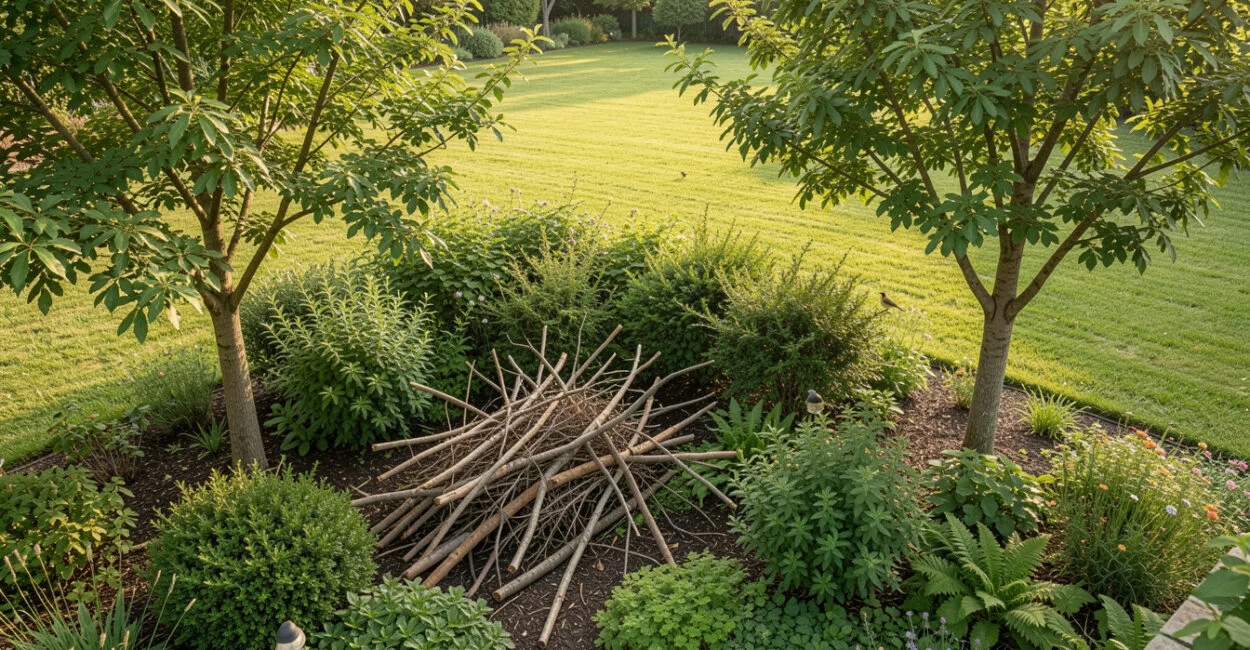
2. Create Shelter with Trees, Shrubs, and Brush Piles
Trees and shrubs provide roosting sites, escape cover, and places to forage. A layered yard, with ground cover, low shrubs, and taller trees, offers more kinds of shelter than a closely clipped lawn. Choose native plants for birds that suit your region and site conditions; local native plant societies or extension offices can help identify suitable species.
Set dense shrubs near open areas so birds can retreat quickly, but keep them far enough from feeding stations to reduce opportunities for cats to ambush birds. A small brush pile in a quiet corner can also offer cover. Build it from clean, untreated branches, and keep it away from buildings and areas where it could create a fire or pest concern.
A bird-friendly garden need not be large. A few well-placed native shrubs can provide more useful habitat than a broad patch of ornamental lawn. The National Audubon Society’s native plants guidance offers region-based information for choosing plants that support birds.
Read also: Choosing a Backyard Hammock: Mounting, Materials, and Fit
3. Add Feeders That Match Local Birds
Feeders can supplement natural food, but the right style depends on which birds occur in your area. Tube feeders suit some small perching birds; platform feeders serve a wider range but can expose food to weather and droppings. Suet feeders are useful in some seasons and climates. Check regional bird guides before buying seed or equipment, since bird diets and feeder visitors vary by location.
Hang feeders either close enough to a window that a bird cannot build up much speed before reaching it, or far enough away to reduce collision risk. Keep feeders near cover, but not so close to dense shrubs that a predator can hide beside them. Clean feeders at least every two weeks, and more often in wet weather or when seed becomes damp, clumped, or visibly dirty. Rake away spilled seed and discard moldy food.
The Cornell Lab of Ornithology’s Project FeederWatch feeding guidance covers responsible feeding and feeder care. If birds appear sick, take feeders down temporarily and clean them before putting them back.
4. Offer Nesting Places Without Disturbing Birds
Birdhouses, also called nest boxes, help only species that naturally nest in cavities. They will not serve every backyard bird; many species nest in shrubs, trees, or on the ground. A box should match the target species in entrance-hole size, floor dimensions, ventilation, drainage, and mounting height. Regional differences matter, so use a local birding or conservation group’s specifications rather than choosing a box by appearance alone.
Mount a box in a quiet location, away from heavy foot traffic and places where predators can climb or reach it. Avoid decorative boxes with unsafe features, such as perches below the entrance that may help predators. Check boxes only when doing so will not disturb active nesting.
Clean out an empty box after the nesting season, following local guidance and any applicable rules. If you are unsure whether it is still in use, leave it alone. Nest-box use varies by species and location, so adding a box does not guarantee that birds will occupy it.
5. Make Windows Safer for Birds
Bird-safe windows reduce the chance that birds mistake reflections of trees or sky for open flight paths. Mark the outside surface of the glass with closely spaced visual patterns, films, or screens so birds can detect the barrier. A single decal often leaves too much open glass around it to prevent collisions.
Focus first on windows that reflect vegetation or sit opposite another window, creating a see-through effect. Exterior treatments usually work better than objects placed inside, because reflections appear on the outer surface. Recheck screens and applied patterns after storms or cleaning; gaps can leave a large reflective area exposed.
The U.S. Fish and Wildlife Service guidance on bird-window collisions explains why glass creates a hazard and outlines prevention options. If collisions continue, adjust the pattern or coverage rather than assuming the first treatment solved the problem.
6. Keep Pets, Pesticides, and Feeder Areas in Check
Good habitat also means reducing avoidable risks. Keep cats indoors or use a secure outdoor enclosure, and supervise dogs around feeding and nesting areas. Avoid pesticides where birds forage; chemicals can affect insects and other food sources, while direct exposure may also pose risks. If treatment is necessary, follow the product label and local guidance, and keep it away from water and feeding areas.
Feeder hygiene deserves regular attention. Wash feeders with soap and water, rinse well, and let them dry before refilling. Wear gloves when handling dirty feeders, and clean up seed hulls and droppings beneath them. Move a feeder if the ground stays wet or food keeps accumulating, since a soggy patch is hard to keep sanitary.
7. Build a Bird-Friendly Backyard on Any Budget
A modest plan can start with a shallow water basin, one or two native shrubs, and safer window treatment on the most reflective glass. Add a feeder only if you can keep it clean and maintain a steady supply of fresh food. Renters and people with small patios can use a container-grown native plant and a stable, easy-to-clean water dish.
Seasonal upkeep keeps features useful. Refresh water frequently in warm weather and check that it has not frozen in cold spells. Inspect feeders for damp seed, clear debris from baths, and prune only when local nesting guidance allows. For a patio that also serves as a gathering space, these rustic backyard decor ideas can help keep seating and bird habitat areas distinct.
How to Choose a Bird-Friendly Backyard Feature That Fits
Consider three things before buying anything: what birds use your region, how much maintenance you can manage, and what hazards your yard presents. A clean water source is often a strong first choice. In a yard with frequent window strikes, prioritize glass treatment; where shelter is scarce, add native shrubs. If you cannot clean a feeder regularly, skip it and invest in habitat instead.
Give Birds a Safer Place to Visit
Small, well-maintained features can make a yard more useful to birds, but the combination matters: clean water, suitable cover, and reduced hazards create a stronger foundation than feeders alone. Start with the problem your yard most needs to solve, then add features you can maintain through changing weather and seasons.
📱 See this content as a Web Story
Frequently Asked Questions
What is the Single Best Feature to Add First to Attract Birds?
A shallow, clean water source is a practical starting point for many yards, especially where natural water is limited. Local climate and existing habitat can change what birds need most.
How Often Should Bird Feeders and Birdbaths Be Cleaned?
Clean feeders at least every two weeks, and more often if they become wet or dirty. Empty and scrub birdbaths every few days, with more frequent cleaning in hot weather or when debris builds up.
Where Should a Bird Feeder or Birdbath Be Placed?
Put either feature where birds have a clear view of nearby activity and can reach cover without being trapped beside a hiding place for predators. Keep feeders away from reflective windows unless they are mounted very close to the glass, where birds have less room to build speed.
Do Birdhouses Help All Backyard Bird Species?
No. Nest boxes help cavity-nesting species, while many birds nest in trees, shrubs, or on the ground. Choose a box built for a local species, and avoid checking it during active nesting.
How Can Homeowners Prevent Birds from Hitting Windows?
Apply visible patterns or film to the outside of problem windows, or use exterior screens. Small, widely spaced decals may leave too much reflective glass exposed, so check collision-prone windows after making changes.