
How to Winterize Your Outdoor Living Space
Assess exposure, materials and plumbing before winterizing your outdoor space. Decide what to store, leave outside, and protect from freezing.
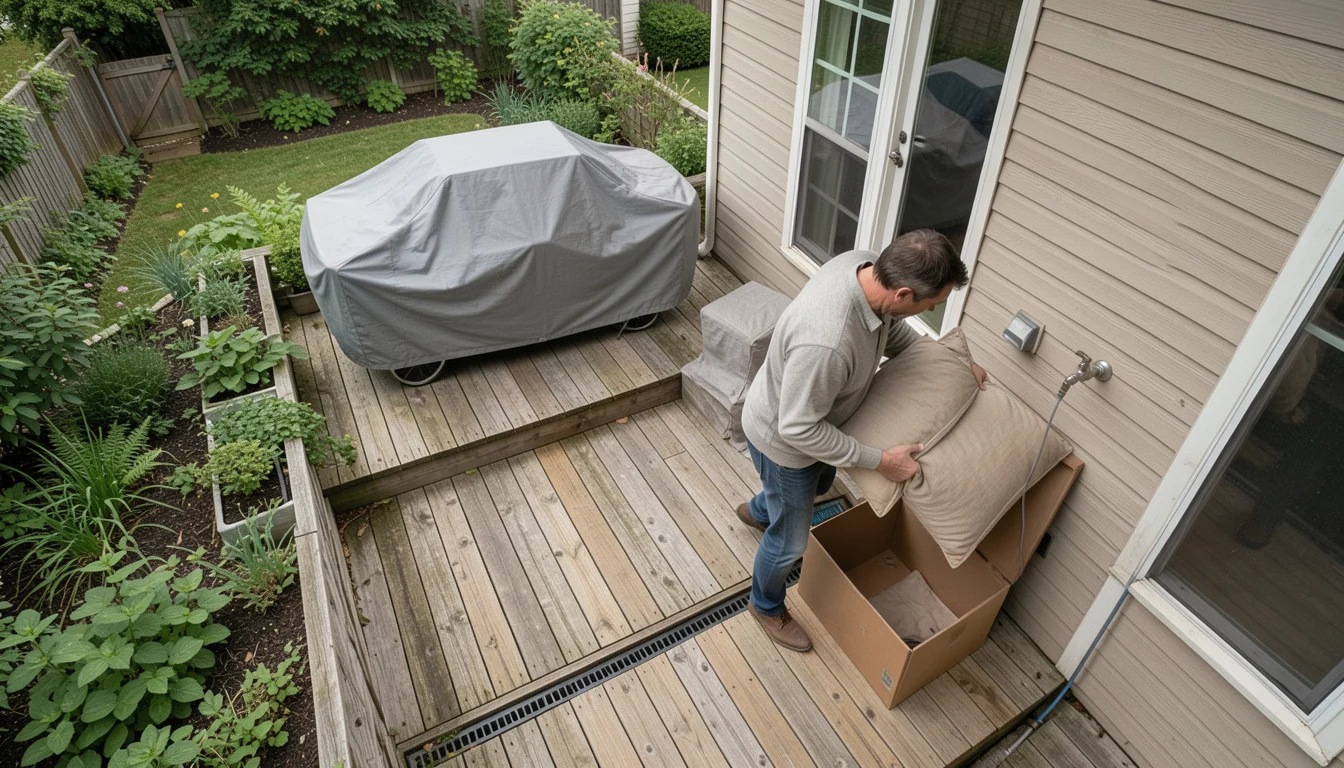 Preparing the patio for winter
To winterize an outdoor living space, protect furniture and fabrics, clear surfaces and drains, secure loose items, and prepare water lines and fixtures for freezing conditions. The right steps depend on exposure, materials, plumbing, and whether the area is open, covered, or enclosed; a cover or temporary barrier cannot prevent every kind of weather damage.
This guide is for homeowners and renters preparing patios, decks, porches, and outdoor furnishings for cold weather. Use it to decide what to store, what can stay outside, and which fixed systems need attention before temperatures drop.
Assess Your Outdoor Space Before Winterizing
Start by mapping the space’s exposure. An open deck takes direct rain, snow, wind, and sunlight; a covered porch may still get windblown moisture; and a screened or three-season porch can trap damp air while remaining vulnerable to cold.
A heated, insulated room has different needs from a porch with temporary panels, so identify what the structure actually provides before choosing a winter plan.
Next, make a quick inventory. Include furniture frames, cushions, rugs, planters, grills, lighting, umbrellas, hoses, faucets, irrigation parts, and water features. Note each item’s material and condition, such as loose joints, cracked pots, fraying fabric, peeling finish, or covers that no longer fit.
Sort the inventory into three groups: items to bring indoors, items that may remain outside with suitable protection, and fixed features that need maintenance. This prevents a common mistake: covering everything in place without checking whether the cover traps moisture or whether the item’s care instructions call for indoor storage.
Space or item Main exposure or risk General action to consider What to verify Open patio or deck Direct precipitation, wind, freeze-thaw cycles, and debris in drainage areas Clear the surface and drains; store or secure movable items Surface manufacturer’s cleaning and snow-removal guidance Covered porch Wind-driven rain, dampness, and debris near walls or posts Inspect the roof edge, drainage, and furnishings; cover only as appropriate Whether the cover and furniture materials allow airflow Screened or three-season porch Cold air, drafts, moisture, and possible freeze exposure to fixtures Check openings, water lines, and any temporary barriers Building or lease restrictions and product safety instructions Furniture and cushions Moisture, mildew, wind, and material-specific cold-weather damage Clean and dry; store indoors or use a suitable, secured cover Furniture and fabric care labels Outdoor water fixtures Water left in exposed lines or components can freeze and cause damage Follow the system’s winterizing procedure Plumbing layout, shutoff locations, and local freeze risk Plants and equipment Cold sensitivity, wind, moisture, or damage from incorrect storage Check species- and model-specific instructions Plant hardiness guidance and equipment manuals
Owner’s manuals and material-specific instructions take precedence over generic advice. If a manufacturer says to store a particular cushion indoors or avoid a certain cleaning method, follow that direction even if a general winter checklist suggests otherwise.
Clean and Protect Furniture, Cushions, and Accessories
Clean items before storing or covering them, then let them dry fully. Dirt and organic residue can hold moisture against surfaces, while putting damp cushions in a deck box or plastic bag can encourage mildew. Check seams, undersides, and the points where cushions meet chair frames; these areas often remain wet after the visible surface looks dry.
For cushions, indoor storage is the lower-exposure option when you have a dry, ventilated place. If indoor storage is impractical, use a cover designed for the furniture or cushion material, and make sure it is secure without sealing damp fabric inside. A weather-resistant cover reduces exposure; it does not guarantee that moisture cannot enter or collect underneath.
For a detailed cleaning and storage routine, see how to clean and store outdoor cushions between seasons. Avoid stacking cushions while they are even slightly damp, and do not place them directly on a cold, wet floor in a shed or garage.
Furniture covers need a sensible fit. A cover that is too tight can press against finishes or keep fabric in contact with wet surfaces; one that is too loose can flap in the wind and abrade corners. If the furniture material needs airflow, choose a cover and setup that allow it rather than wrapping the piece in an impermeable sheet. Follow the cover maker’s directions for ventilation and attachment.
Frames also need material-specific care. Wood, metal, wicker, and plastic do not respond identically to moisture or temperature changes. Inspect joints and finishes, clean according to the manual, and avoid applying oil, polish, or protective coatings unless the manufacturer recommends them for that material and season.
Move lightweight décor, lanterns, tabletop accessories, and small planters to sheltered storage. Items that must remain outside should be secured against wind, but do not tie them to railings or fixtures that could be damaged by shifting loads. If an umbrella will not be used, close and secure it according to its instructions; an open canopy can catch wind even when the forecast seems calm.
For furnishings that will stay outdoors, anchoring matters as much as covering. This advice on keeping outdoor furniture from blowing away can help you assess lightweight chairs and other wind-prone pieces before winter storms.
Prepare Decks, Patios, and Other Outdoor Surfaces
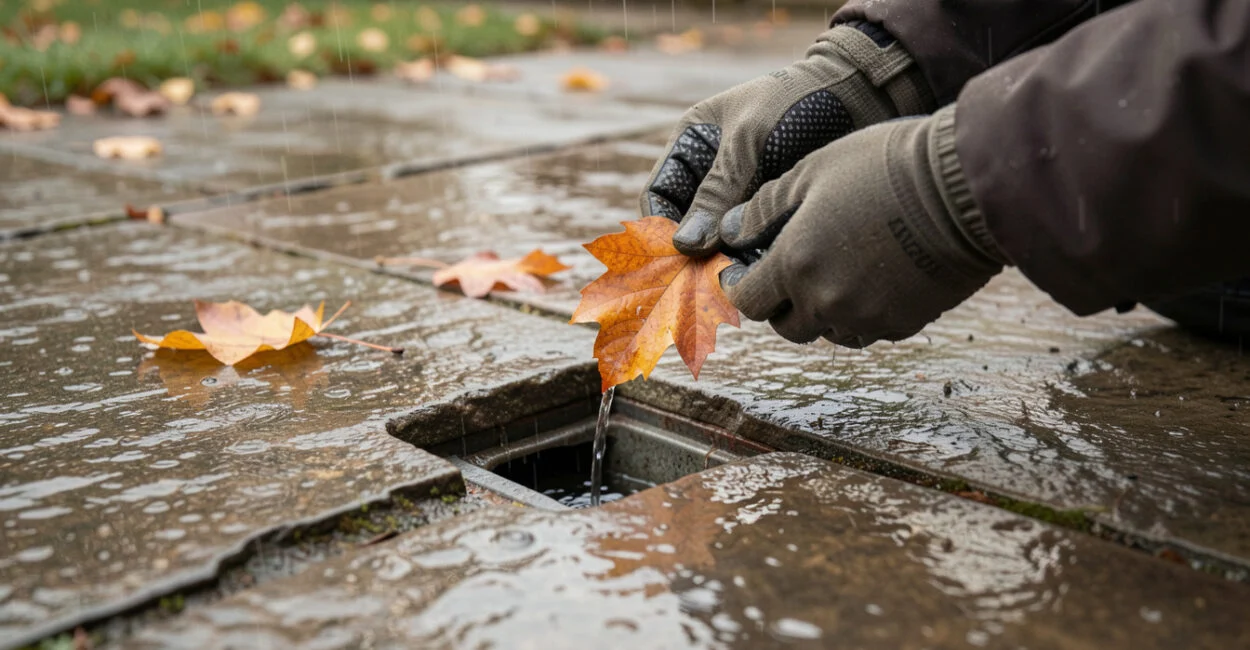
Clear leaves, soil, needles, and other debris from walking surfaces and drainage paths. Organic matter can hold moisture against a deck or patio, stain some materials, and block water from draining away. Pay attention to corners, the gaps between deck boards, stair edges, and the area around downspouts or floor drains.
Standing water deserves a closer look. If water repeatedly pools in the same spot, check for blocked drainage, a low area, or a slope problem rather than assuming a seasonal coating will solve it. Do not pry debris from a drain or alter a surface in a way that could damage the structure or violate a lease; get qualified help if the cause is unclear.
Cleaning and treatment depend on the surface. Wood, composite decking, natural stone, concrete, and tile have different tolerances for cleaners, pressure, sealers, and abrasive tools. Follow the product manufacturer’s instructions, including any limits on water pressure or chemicals. A treatment appropriate for one surface can discolor or damage another.
For wood, inspect for loose boards, protruding fasteners, damaged finish, or areas that stay wet. Use the deck maker’s maintenance guidance to decide whether cleaning or a protective treatment is appropriate. Composite decking also varies by brand and composition, so do not assume that a wood-deck cleaner or sealer is suitable. Stone, concrete, and tile may need attention to joints, grout, cracks, or drainage, but the correct repair depends on the specific material and installation.
Plan for snow and ice before the first storm. Use a shovel or removal method compatible with the surface, and check product labels and manufacturer directions before using a de-icer. Some products can harm finishes, plants, metal hardware, or nearby concrete; “safe for pets” or “safe for concrete” on a label does not automatically mean suitable for every patio material. Do not chip ice with a tool that could gouge a deck or tile.
A practical decision rule is simple: if you know the exact surface product, follow its care guide; if you do not, use gentle debris removal and avoid unverified treatments until you identify the material. That approach is less likely to create damage than applying a familiar product to an unknown finish.
Protect Water Lines, Faucets, and Outdoor Equipment
Outdoor plumbing needs a system-specific winterizing plan. Exposed lines and fixtures may need water shut off, draining, insulation, or another procedure, depending on the plumbing layout and local freeze risk. Turning a faucet handle alone does not necessarily remove water from the connected line.
Find out where the relevant shutoff is, whether the line has a drain or other winterizing feature, and whether any portion runs through an unheated area. If the layout is unfamiliar, ask the property manager, consult the home’s plumbing documentation, or contact a qualified plumber. Renters should not alter shared plumbing or operate an unfamiliar valve without permission.
System or item Why it needs attention What the reader should check Outdoor faucet and connected line Exposed water may freeze in the fixture or line, depending on the setup Shutoff location, drain procedure, faucet type, and any manufacturer or plumber instructions Hose Water remaining in a hose can freeze; a connected hose may affect the faucet or its drainage When to disconnect it, how to drain it, and whether to store it indoors Irrigation system Valves, pipes, backflow devices, and controllers can have different winterizing needs System layout and the installer’s or manufacturer’s instructions; consult a professional if unsure Outdoor kitchen Water, gas, electrical, and appliance components each have separate risks Appliance manual, utility shutoffs, drainage, and any required service procedure Water feature Pumps, plumbing, basins, and materials may be vulnerable to freezing or standing water Whether to drain, remove, store, or protect each component according to its manual
Disconnect and drain a garden hose according to the faucet and hose instructions, then store it where it will not become a tripping hazard or block access. The faucet may need its own procedure after the hose comes off. The correct steps vary, so do not assume the same sequence works for every outdoor tap or plumbing arrangement.
Irrigation is a separate system, not just a collection of hoses. It can include buried lines, valves, a backflow preventer, and a controller. Follow the installer’s directions or have a qualified irrigation professional assess the system if the winterizing method is unclear. The EPA WaterSense guidance on outdoor water use is useful for understanding outdoor water systems, but it does not replace your system’s winterizing instructions.
Outdoor kitchens need a component-by-component check. Water supply and drain lines, refrigeration, grills, electrical connections, and gas supply each have their own manufacturer directions. Do not improvise with fuel connections or appliance wiring; use the model’s manual and qualified service when needed. Water features likewise differ: a small removable fountain may have a different procedure from a built-in pond with a pump and plumbing.
Make a Porch More Weather-Resistant
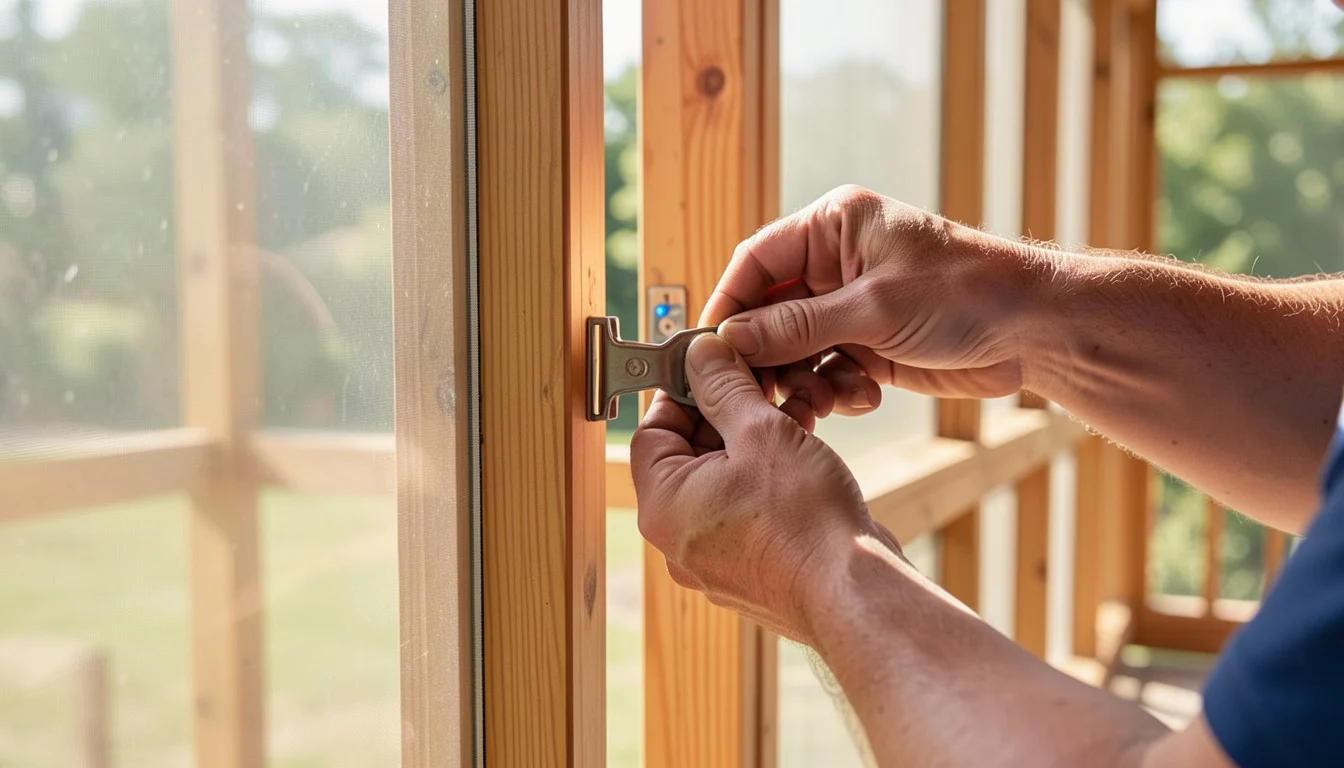
A three-season porch is usually designed for use in milder conditions, not as a fully insulated, heated room. Removable panels or curtains can reduce drafts and windblown rain, but they do not necessarily add insulation, control condensation, or make continuous heating safe.
Start with reversible steps that suit the existing structure. Close gaps only where the building or product instructions allow, and use removable weather barriers intended for the opening and expected conditions. Check how the barrier attaches, whether it can withstand wind, and whether it leaves the required ventilation and access in place. A temporary panel that loosens in a storm can become a hazard.
Before enclosing openings, review product suitability, fire safety, moisture management, and building or lease restrictions. Blocking ventilation can trap moisture and contribute to condensation on cold surfaces. A space that becomes warmer in the afternoon may still cool sharply overnight, so do not treat temporary enclosure as proof that pipes, plants, or furnishings are protected from freezing.
Heating requires special care. Use only equipment approved for the setting, follow its clearances and operating instructions, and keep it away from curtains, plastic panels, stored cushions, and other combustible materials. A heater does not turn a drafty porch into conditioned living space, and an appliance intended for outdoor use may not be suitable inside an enclosed area. Check both the heater manual and the enclosure product’s safety guidance.
Low-cost measures can still make the porch more comfortable for occasional use. Seal or adjust existing doors and windows where appropriate, add removable barriers designed for the openings, and move seating away from drafts. These measures reduce exposure, but they do not establish a reliable indoor temperature or protect every water line. For a porch with plumbing, ask a qualified professional to assess freeze exposure rather than relying on curtains or a space heater.
Store or Secure Plants, Grills, and Seasonal Items
Plant winter care depends on species, container, exposure, and local conditions. A plant that tolerates cold in the ground may be more vulnerable in a pot, where roots face different conditions. Check plant-specific guidance before deciding whether to move, prune, water, cover, or leave a container outdoors. Do not assume that bringing every plant inside is best; some need particular light or temperature conditions.
For planters that remain outside, check whether the container can tolerate freezing and whether water can drain. Remove fallen leaves and spent plant material when appropriate, and place containers where they will not obstruct drains or walkways. Protecting a pot does not guarantee that the plant itself will tolerate the winter exposure.
Clean grills and outdoor cooking equipment according to their manuals, then store or cover them as the manufacturer directs. Fuel and electrical components need model-specific handling. Do not disconnect, store, or modify gas cylinders, fuel lines, batteries, or wiring based on a generic checklist; follow the equipment and fuel supplier instructions.
Before covering a grill, make sure it is cool and clean as directed. Covers can help limit weather exposure, but they should fit the unit and must not contact hot components or block a required vent. Keep grills away from stored cushions, dry leaves, and other combustibles, and preserve safe access around the equipment.
Bring delicate seasonal décor indoors, including items with fragile finishes, small electrical parts, or materials that can crack in freezing conditions. Store them in a dry place where they will not be crushed. Heavy items that cannot be moved should be secured without blocking exits, stairs, utility access, or drainage paths.
Keep every storage area clear of vents and heat sources. Do not pile cushions or décor against a heater, furnace intake, outdoor appliance vent, or electrical equipment. On a porch, preserve the route to doors and stairs even if furniture has been rearranged for the season.
Use a Final Winterization Checklist
Work through the space in a consistent order: assess exposure, clean and dry movable items, clear surfaces, protect water systems, then secure what remains outdoors. This sequence reduces the chance of covering debris or storing damp fabric while attention shifts to plumbing and equipment.
- Check the forecast and identify exposed or vulnerable items.
- Clean and dry furniture, cushions, and accessories.
- Store or securely cover items according to care instructions.
- Clear debris from surfaces and drainage areas.
- Follow the correct winterizing instructions for outdoor water systems.
- Secure loose items and check that covers are stable.
- Reinspect after severe weather.
After a storm, check whether covers have shifted, water has pooled, drains have clogged, or wind has moved lightweight items. Do not climb onto an icy deck or roof to inspect it. Wait for safe conditions, and arrange repairs if you find loose boards, damaged fixtures, or a plumbing leak.
Winterizing is not a one-time guarantee. Covers can loosen, snow can block drainage, and a plumbing system can behave differently from what a generic guide predicts. Keep the relevant manuals accessible, note any shutoff locations, and check the area periodically during the season.
Spring reopening may require its own inspection: remove covers carefully, let stored items air out, reconnect equipment only as instructed, and look for winter damage before regular use. Severe-weather preparation also deserves a separate check when strong winds, heavy snow, or flooding are forecast.
Begin with the most exposed items and systems: dry and store what needs indoor protection, clear water’s path off the surface, and follow the correct procedure for each water line or appliance. If the plumbing, material, or enclosure details are uncertain, verify them before acting.
Frequently Asked Questions
How Can I Tell Whether a Furniture Cover is Breathable Enough?
Check the cover maker’s description and instructions for the specific furniture material. A snug, weather-resistant cover can still trap moisture if the item goes under it wet or the setup blocks airflow. Inspect underneath during the season rather than assuming the cover eliminates dampness.
Should I Remove an Outdoor Rug Before Winter?
Check the rug’s care label and the surface beneath it. If the rug holds moisture, covers a drain, or could freeze onto the deck or patio, storing it in a dry place may be the safer option. Do not leave a wet rug folded against a surface.
Can I Use a Pressure Washer to Clean a Deck Before Winter?
Only if the deck manufacturer permits it and you follow the stated equipment and technique guidance. Excessive pressure can damage wood fibers, composite surfaces, grout, or finishes. When the material or instructions are unknown, use a gentler cleaning method approved for that surface.
Is a Deck Box a Good Place to Store Patio Cushions?
It can work if the box stays dry and the cushions are fully clean and dry before storage. A box that admits rain or traps condensation can create the same mildew problem as a damp plastic bag. Check the box after wet weather and avoid overpacking it.
Can I Leave a Portable Fire Pit Outside in Winter?
Follow the fire pit manufacturer’s storage and cover instructions, which may depend on its material and fuel type. Remove ashes only when they are fully cold and handle fuel components as the manual directs. Keep the unit and its cover clear of combustible materials and required access routes.
How Often Should I Check the Space During Winter?
Check after severe weather and periodically during the season, with extra attention to loose covers, drainage, and any exposed plumbing. The right interval depends on local weather and the space’s exposure. If a cover has shifted or a drain is blocked, address it when conditions are safe.