
How to Teach Your Dog to Leave It on Cue
Teach a dog to leave it by rewarding disengagement, adding distractions gradually, and using “drop it” for items already in their mouth.
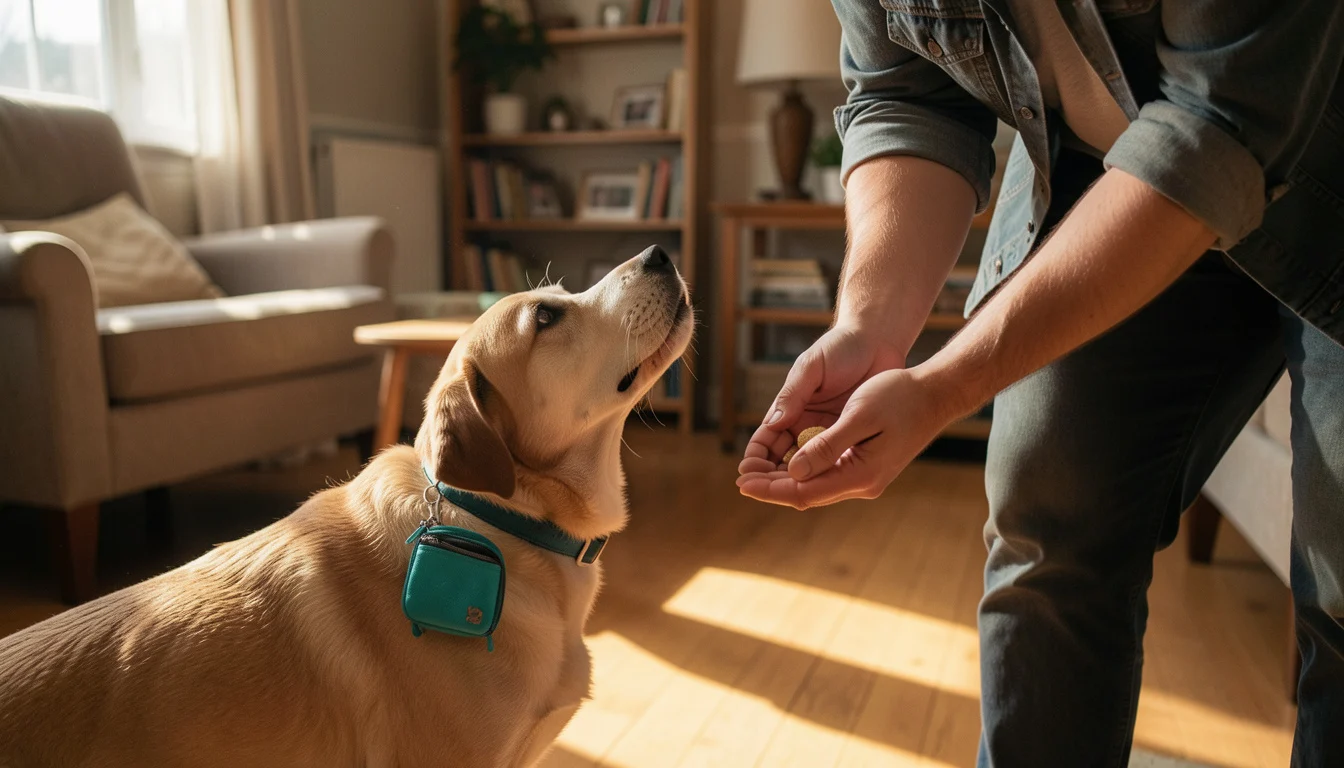 The dog chooses the handler’s reward
A dropped french fry can disappear before you finish saying your dog’s name. To teach a dog “leave it,” reward them for turning away from an item and choosing you, then build up to more tempting distractions in small steps. Start somewhere quiet with a safe, low-value object; the cue is not protection from hazards or a substitute for preventing access.
The goal is a practiced choice: your dog notices something and disengages before taking it. Here’s how to teach that response, increase difficulty without setting your dog up to fail, and handle the different situation where an object is already in their mouth.
Key Points
- Teach the behavior before adding the words “leave it.”
- Reward disengagement from your other hand, away from the item.
- Make only one part of practice harder at a time.
- Use “drop it” for an item your dog already has in their mouth.
- Keep dangerous objects out of reach, even after your dog learns the cue.
What “Leave It” Means When You Teach a Dog to Leave It
“Leave it” is a cue for a dog to stop moving toward or engaging with a specified item and turn away, orient to the handler, or wait for the next instruction. When you teach a dog to leave it, the dog should disengage before touching or investigating the item; the cue is not an invitation to approach it first.
“Drop it” applies after the dog has picked something up. The distinction matters: asking for the wrong behavior can waste time when a dog has already grabbed an object.
Cue When it applies Desired response Example Leave it Before the dog takes or approaches an item Turn away or disengage Dog notices food on the floor and looks back at the handler Drop it When the dog already has an item in its mouth Release the item Dog lets go of a toy on cue
A trained cue can help in familiar situations, but no cue works reliably in every setting. Distance, barriers, and supervision still matter, particularly around anything toxic, sharp, or near traffic.
Set Up a Safe First Session
Pick a quiet room, a small low-value item, and rewards your dog will gladly take. Keep the practice item inaccessible: hold it in a closed hand, or use a barrier if your dog is likely to lunge or swallow it.
Do not start with food, medication, or a household hazard.
- Quiet, low-distraction space
- Low-value item the dog cannot swallow or access during the exercise
- Rewards ready and separate from the training item
- Leash, barrier, or other management if needed
- Plan to make the exercise easier if the dog struggles
Keep each practice bout short, and stop while your dog can still focus. If they paw at your hand, bark, or become overexcited, make the setup easier rather than waiting for frustration to build.
Puppies can learn the same basic skill with very easy setups and brief sessions; don’t expect a puppy to resist a tempting object on a busy walk just because they managed it at home.
Teach the Cue Step by Step
Begin by teaching the action, not the words. Once your dog understands that turning away earns a reward, add the cue and gradually make the item more visible.
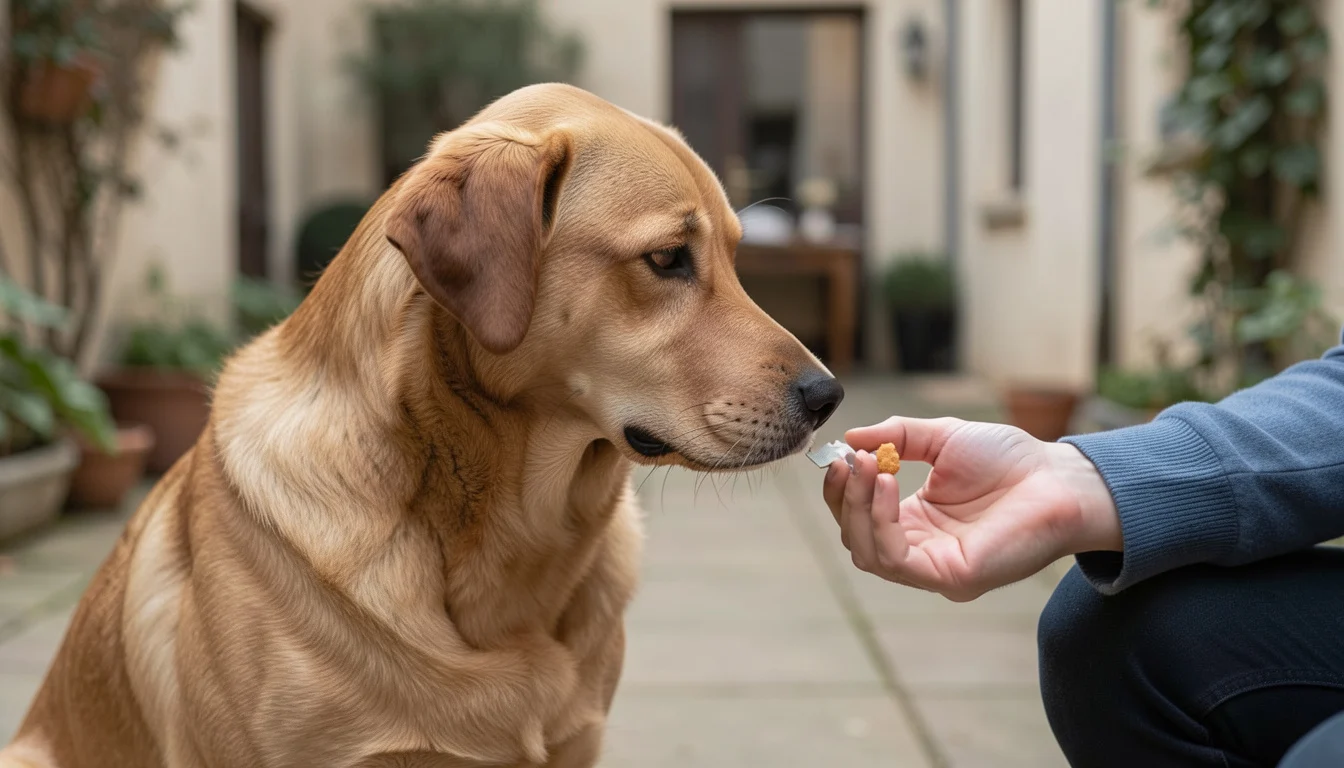
- Present a closed hand. Put a low-value item in one hand and close your fingers around it. Let your dog notice it without pushing the hand toward their face.
- Mark the disengagement. The instant your dog pauses, looks away, or turns toward you, mark the choice with a click or a brief word such as “yes.” Reward from your other hand.
- Repeat until the choice is easy. Your dog should move away from the closed hand without pawing or persistent sniffing. Keep the reward separate from the training item so taking the item never pays.
- Add the cue once. Say “leave it” just before presenting the familiar closed-hand setup. Mark and reward the turn away.
- Show a visible item. Put a low-value item on the floor and cover it with your foot or otherwise block access. Reward your dog for choosing to look away or check in.
Say the cue once, then give your dog a moment to respond. Repeating it while they stare at the item can teach them that the first several cues don’t count. If they investigate, calmly block access and reset; punishment can make the item or your approach feel more stressful without teaching the response you want.
A clicker can mark the precise moment your dog turns away. If you use one, this beginner’s guide to clicker training explains how to pair the sound with a reward.
Read also: Teach Your Dog to Settle on a Mat: A Simple Guide
Build Reliability One Challenge at a Time
Increase just one difficulty at a time: the item’s appeal, your dog’s distance from it, movement, how long they must wait, or the level of environmental distraction. If you make the item more tempting, keep the room quiet and the dog close; don’t also add movement and a longer wait.
Training stage Example setup What to do if the dog struggles Easy Low-value item in a quiet room Make the item less accessible or reward an easier disengagement Intermediate Visible item at a short distance Increase distance or reduce the item’s appeal More challenging Controlled outdoor distraction Move farther away or return to a quieter location
Reward promptly when your dog disengages and checks in. Food works well for many dogs, but praise or another reward your dog values can also help. If your dog reaches for the item or ignores the cue, block access without scolding, then reset at an easier level. The useful question is whether the setup is currently too difficult, not how many times you can repeat the cue.
Reliable practice grows from successful choices at manageable distances, not from testing how close your dog can get to temptation.
Use the Cue Around Real-World Distractions
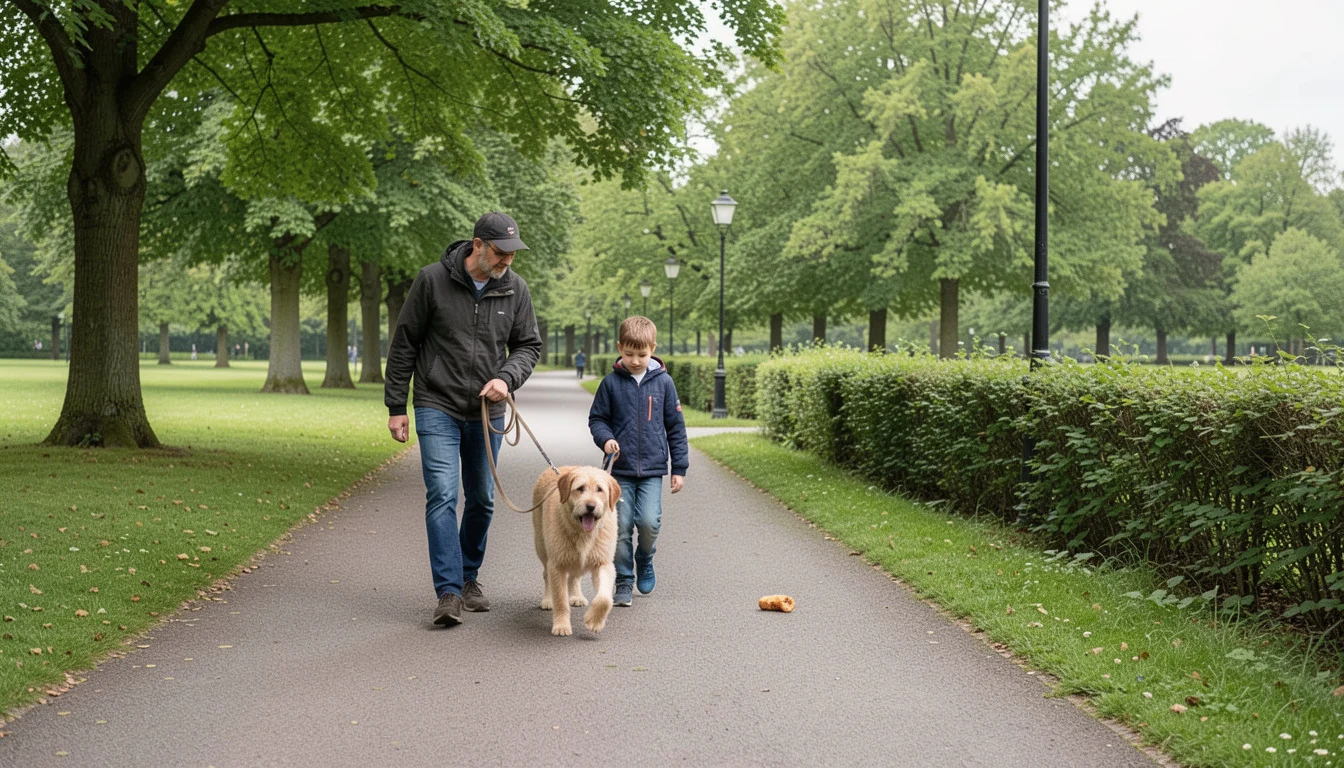
On walks, give your dog enough distance from dropped food, litter, and wildlife to respond before they can grab the item. Keep the leash on where needed, and use route changes or barriers to prevent access while training catches up. Those are safety measures, not proof that the cue is dependable everywhere.
For a dog that fixates on another dog, “leave it” may not address the reason for the response, such as fear or frustration. Create distance first. If you’re working on calm, safe dog encounters, these tips on introducing dogs on walks may also help; seek qualified behavior support if reactions put anyone at risk.
A familiar cue can also fail when a dog is highly aroused or the distraction is unusually valuable. The American Veterinary Society of Animal Behavior’s position statements provide guidance on humane, reward-based behavior work. Keep hazardous items out of reach rather than testing whether your dog will ignore them.
If Your Dog Already Has Something in Their Mouth
When an item is already in your dog’s mouth, use a practiced “drop it” cue or a calm trade rather than “leave it.” Offer an appealing reward for releasing a non-dangerous object; don’t chase, corner, or pry your dog’s mouth open as a routine response. Chasing can turn the object into a game, while force can increase the risk of a bite.
If the object may be toxic, sharp, or otherwise dangerous, contact a veterinarian or an appropriate emergency service promptly. Don’t wait to see whether a cue works or try an improvised treatment. The ASPCA Animal Poison Control Center provides guidance for suspected poison exposure.
If your dog guards objects, growls, snaps, or bites, don’t attempt to take items by force. A veterinarian or qualified reward-based behavior professional can help you make a safer plan. For broader context on this risk, read about addressing resource guarding with positive training.
Troubleshoot Common Setbacks and Choose Your Next Step
If your dog grabs the item, make it less accessible and increase distance before trying again. If they ignore the cue outdoors, return to a quieter place and rebuild in smaller steps. For dogs that guard or threaten when approached, skip hands-on trade practice until you have professional guidance.
A practical first session is simple: practice a few easy closed-hand repetitions, reward each disengagement from your other hand, and stop before your dog loses focus. In later sessions, change one feature at a time and keep managing risky situations. If you’re also teaching your dog to return to you, practice with step-by-step recall training in a separate, low-distraction setup.
📱 See this content as a Web Story
Frequently Asked Questions
How Long Does It Take for a Dog to Learn “Leave It”?
There’s no fixed timetable. A dog may learn the basic closed-hand exercise quickly but need much more practice to respond around food on the sidewalk or other high-value distractions. Measure progress by success in gradually harder setups, not by a calendar date.
Can “Leave It” Stop a Dog from Reacting to Other Dogs?
It may help interrupt attention in some situations, but it doesn’t resolve fear, frustration, or other causes of reactivity. Create distance and get qualified behavior support when safety is a concern.
Should You Use “Leave It” or “Drop It” When Your Dog Has Something in Its Mouth?
Use “drop it,” which asks the dog to release an object they already hold. “Leave it” is for disengaging before they take or approach something.
How Do You Teach “Leave It” to a Puppy?
Use the same closed-hand exercise with an easy, low-value item, brief sessions, and rewards delivered from your other hand. Prevent access to hazards rather than expecting a young puppy to resist them.
What Should You Do If Your Dog Picks Up Something Dangerous?
Contact a veterinarian or appropriate emergency service promptly if the item may be toxic, sharp, or otherwise harmful. Don’t wait for training to work or try an improvised treatment.